
Last updated September 19, 2026
Full 25-point door and opener safety check with every visit - springs, cables, rollers, tracks, and your LiftMaster or Chamberlain opener included
You get a price before we start. It does not change when the truck arrives.
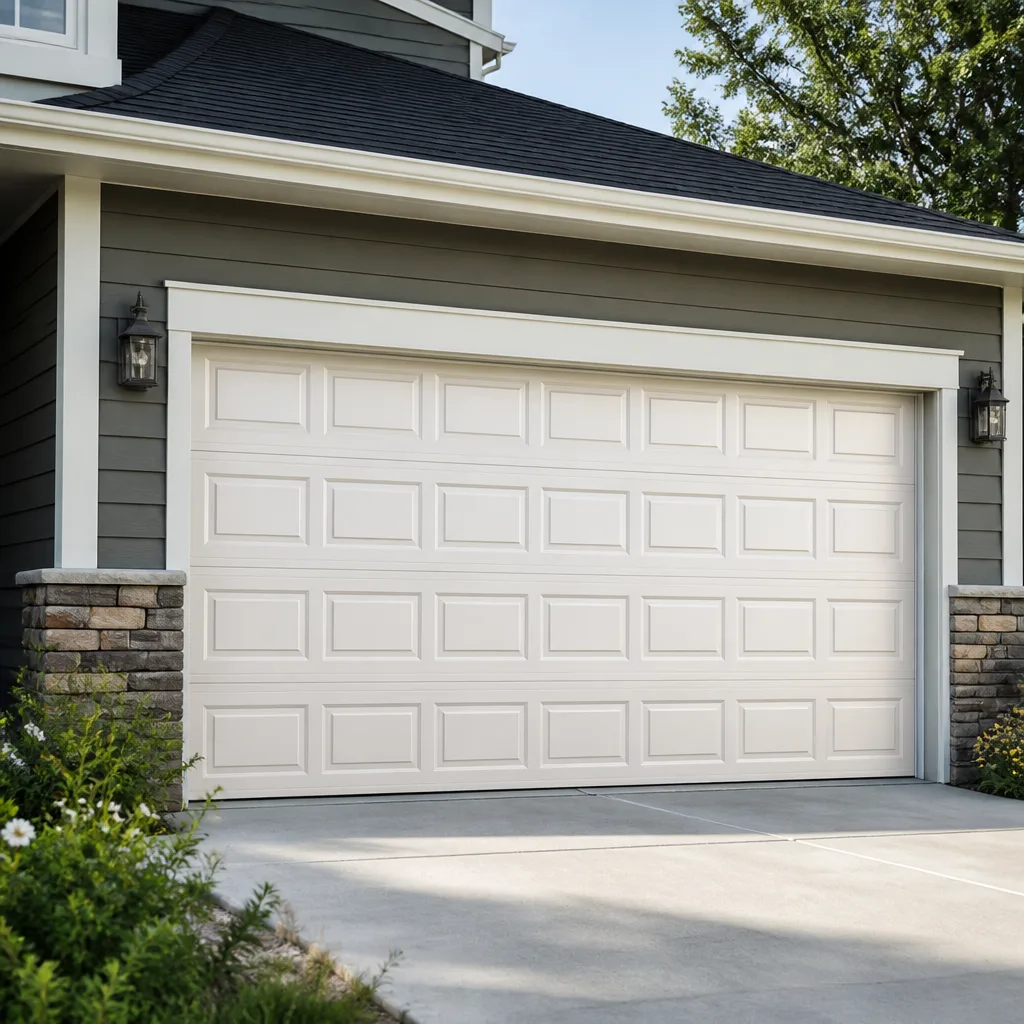
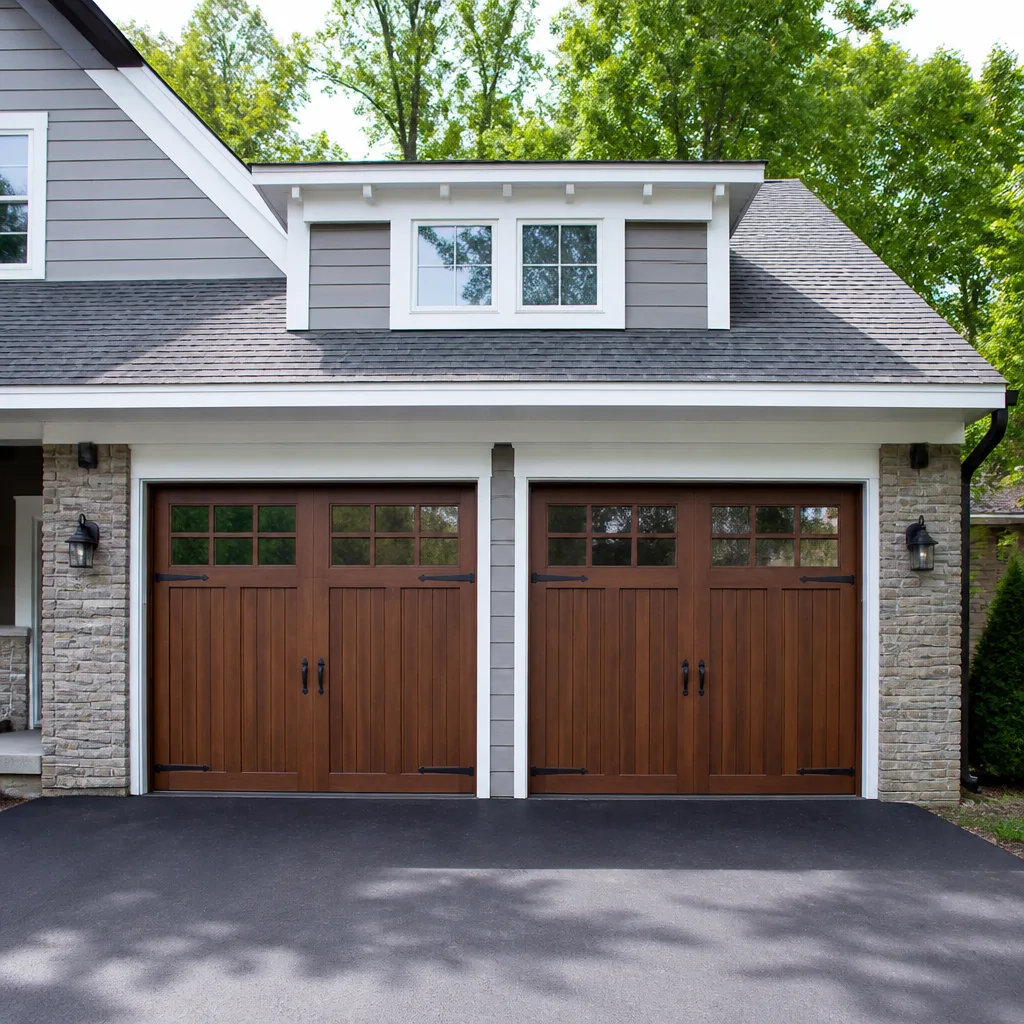
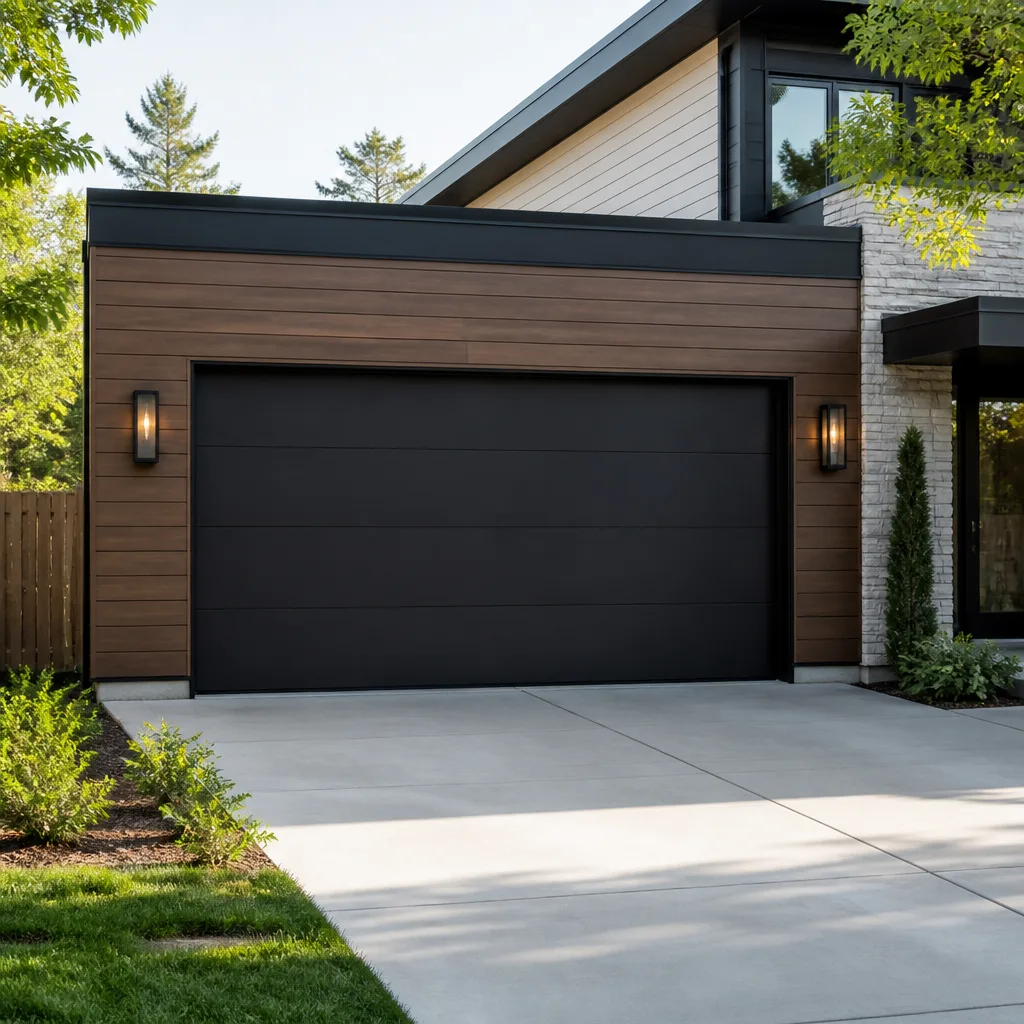
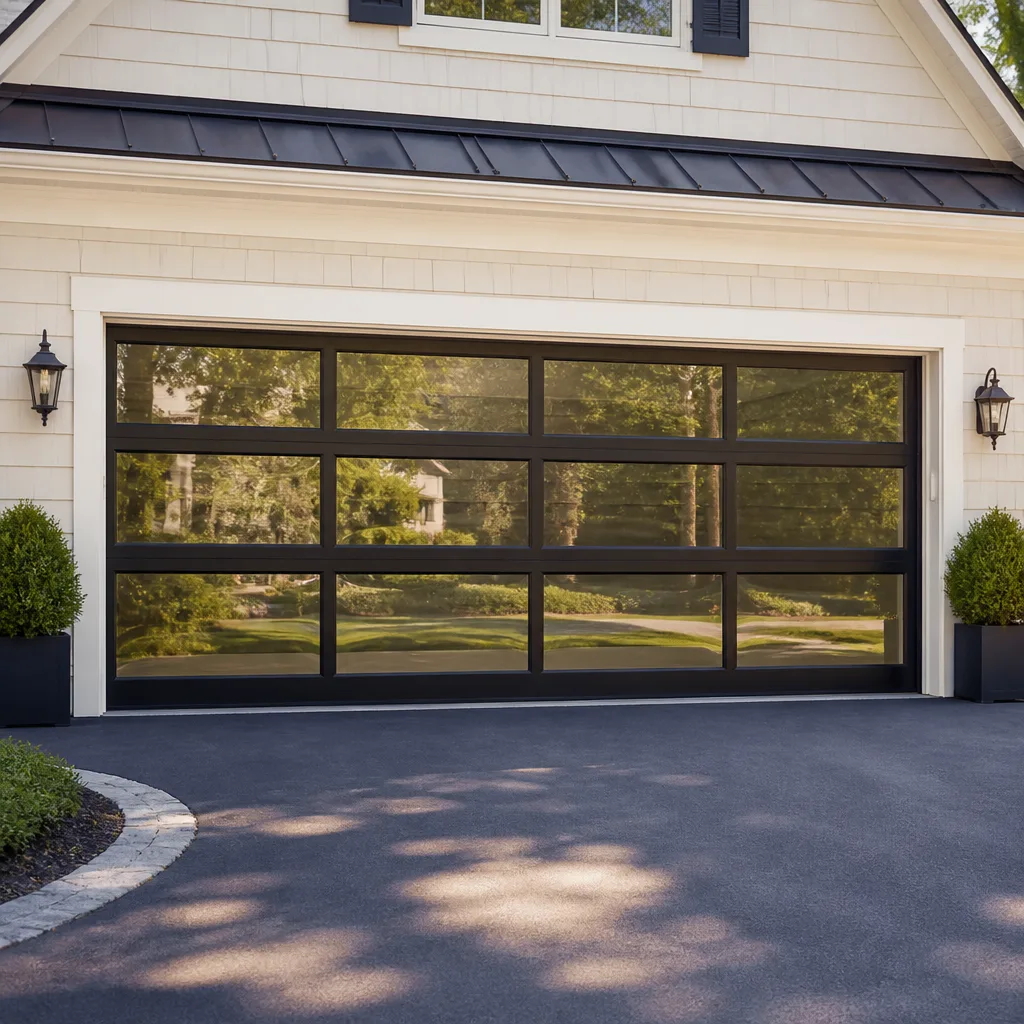
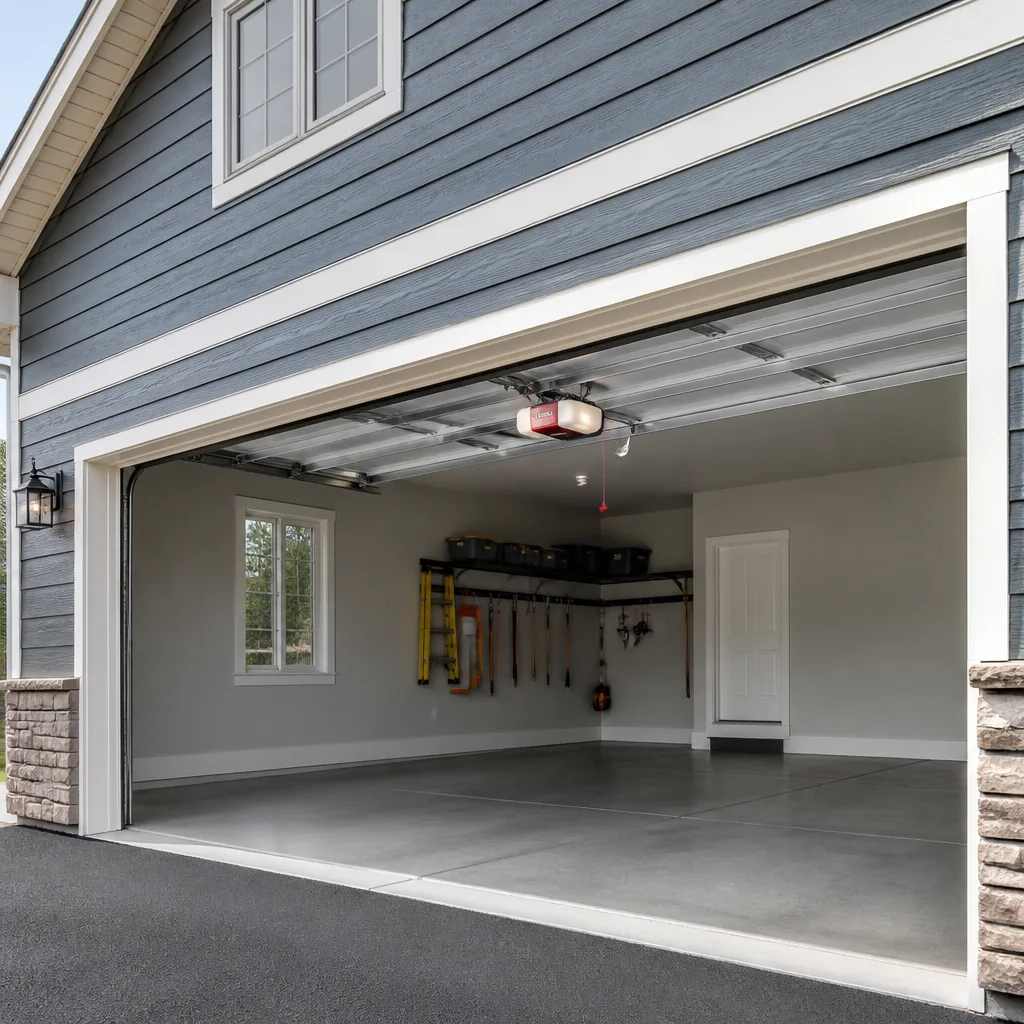
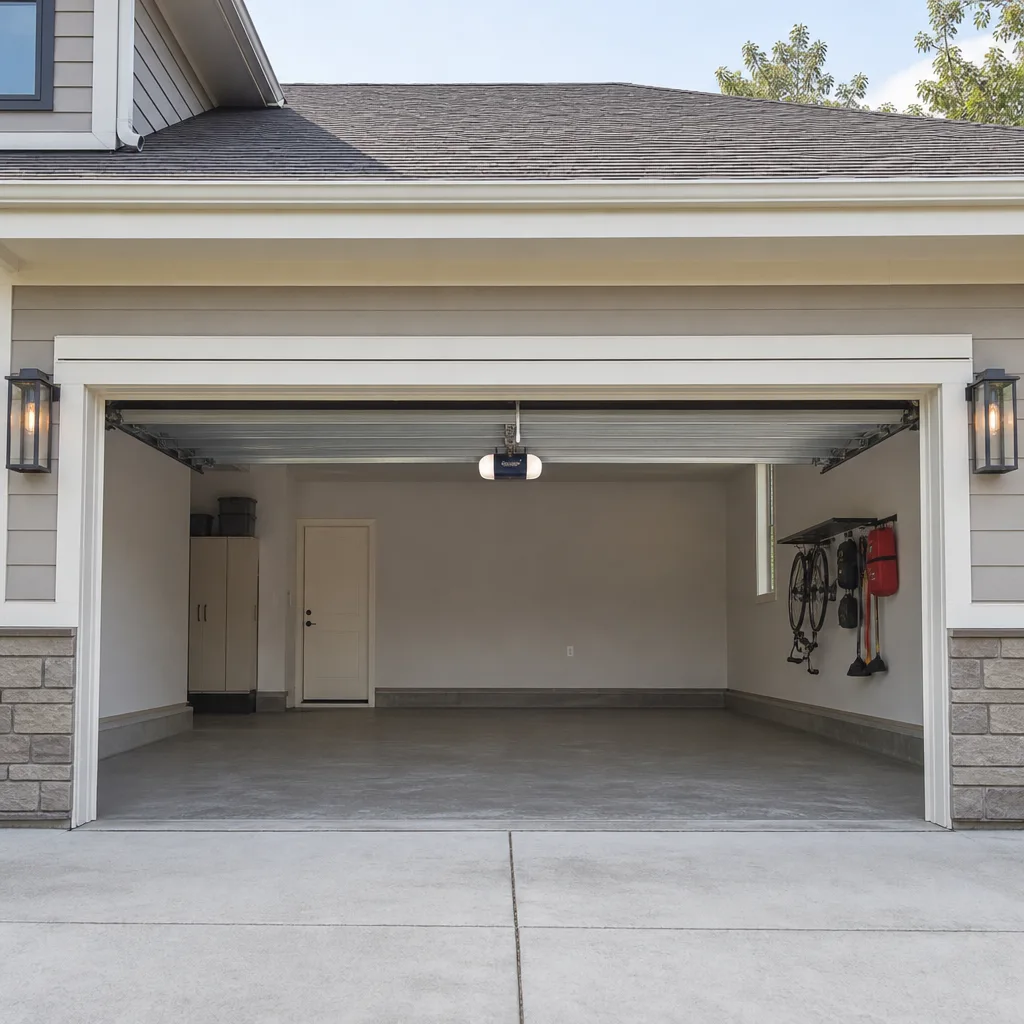
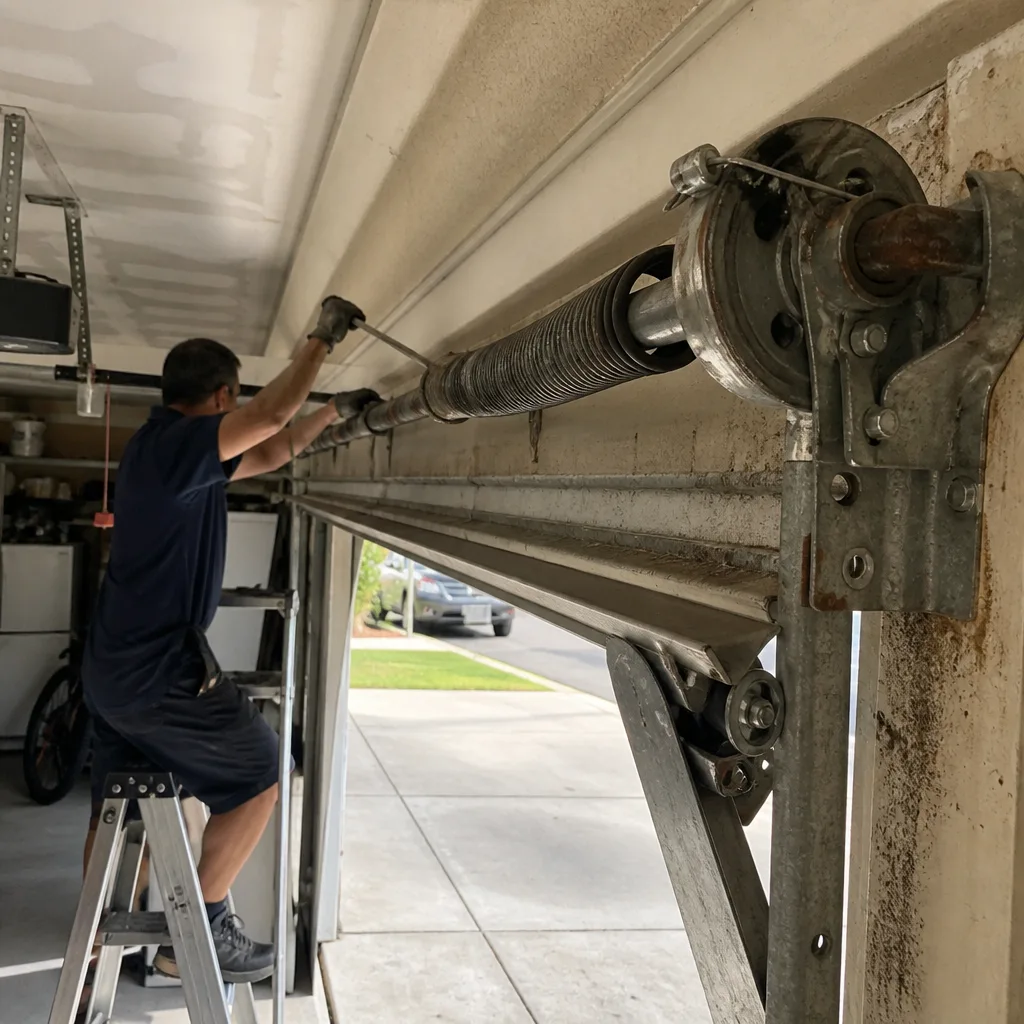 Before
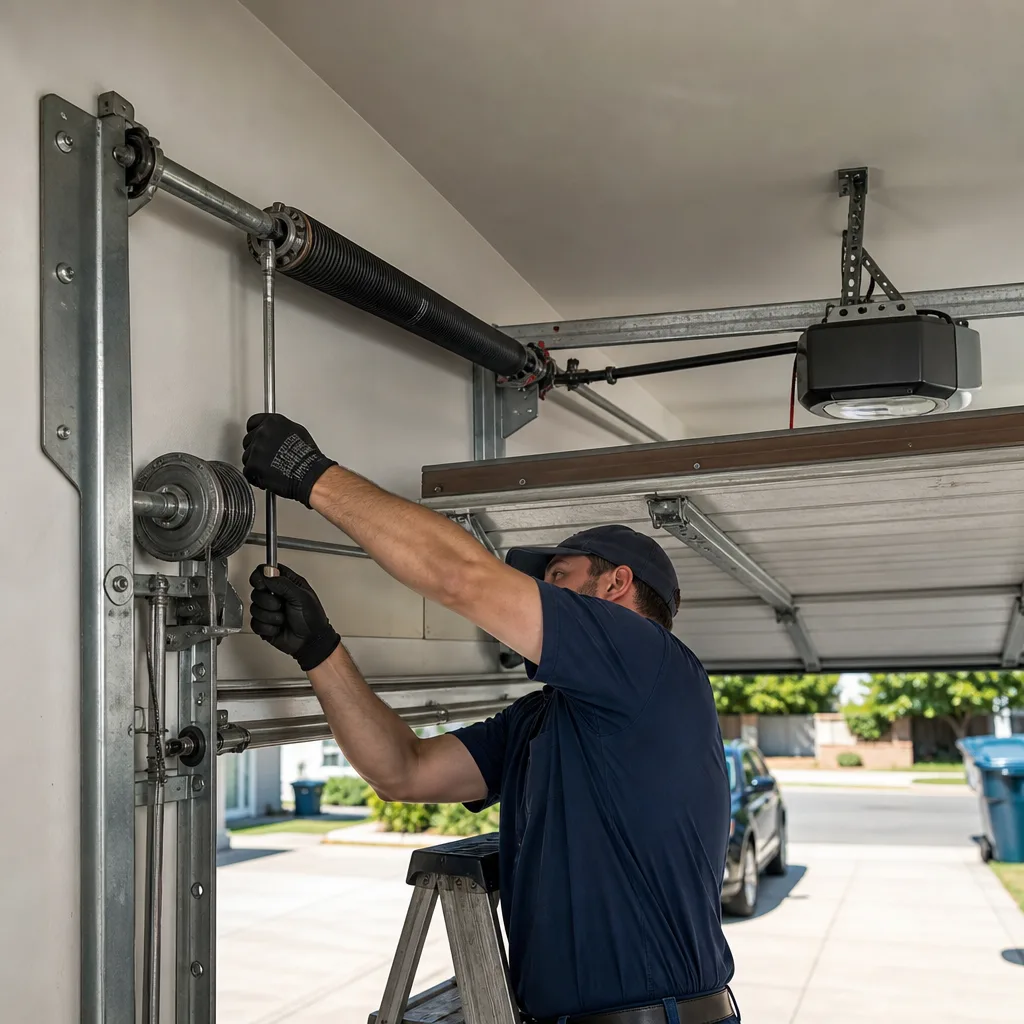 After
After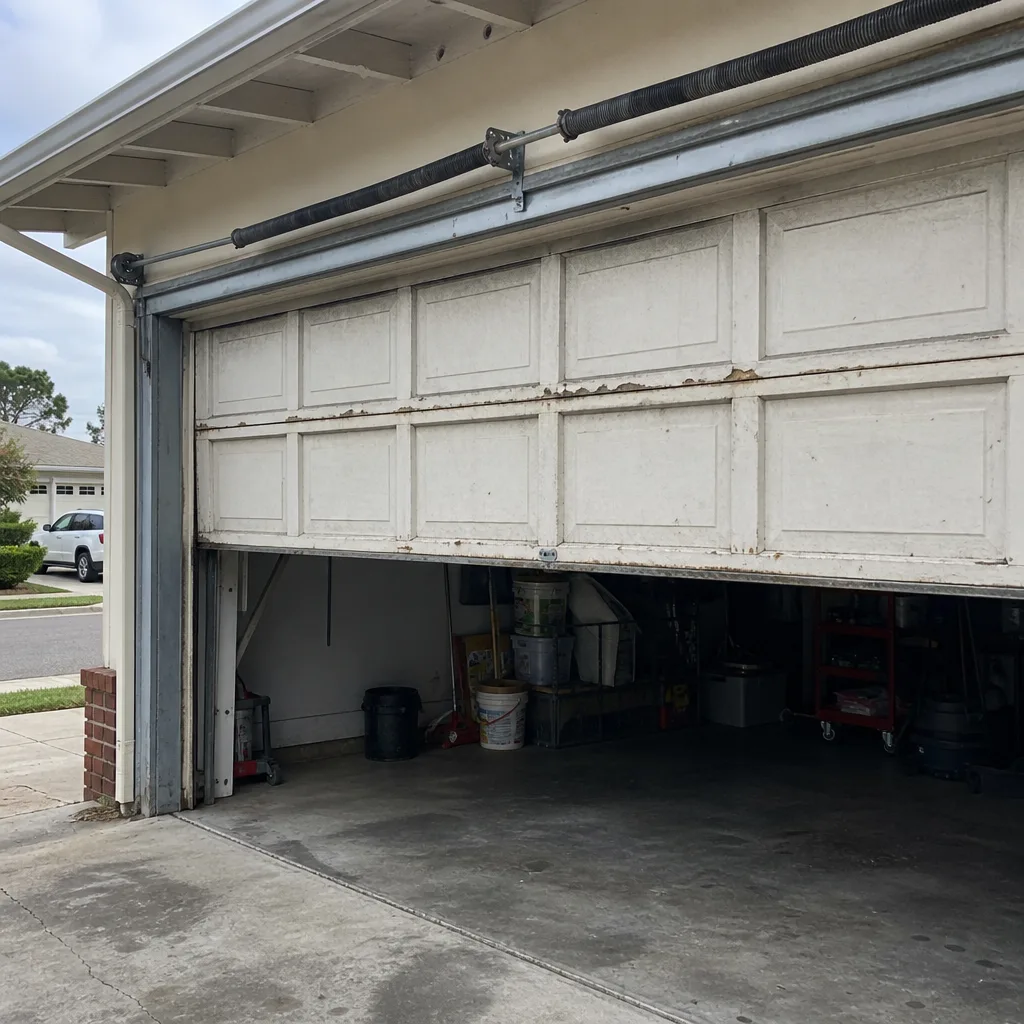 Before
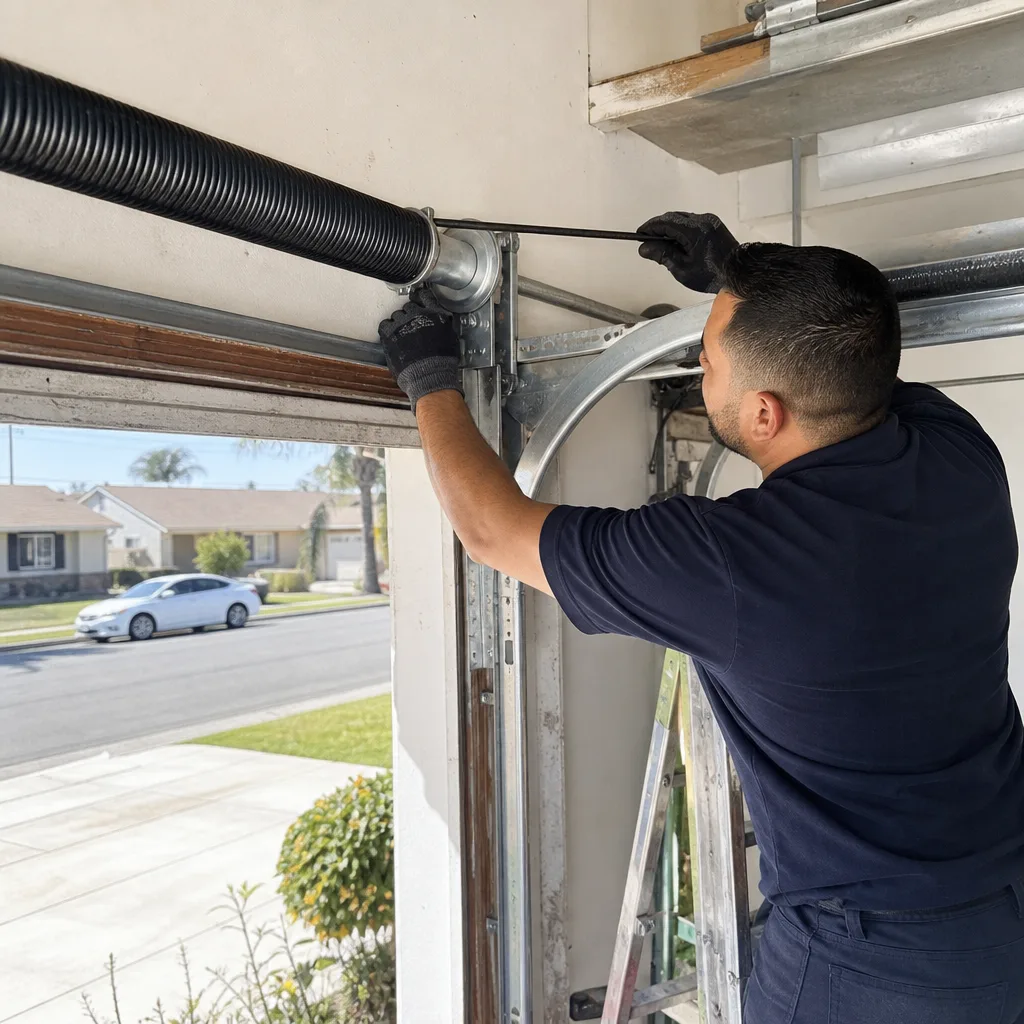 After
After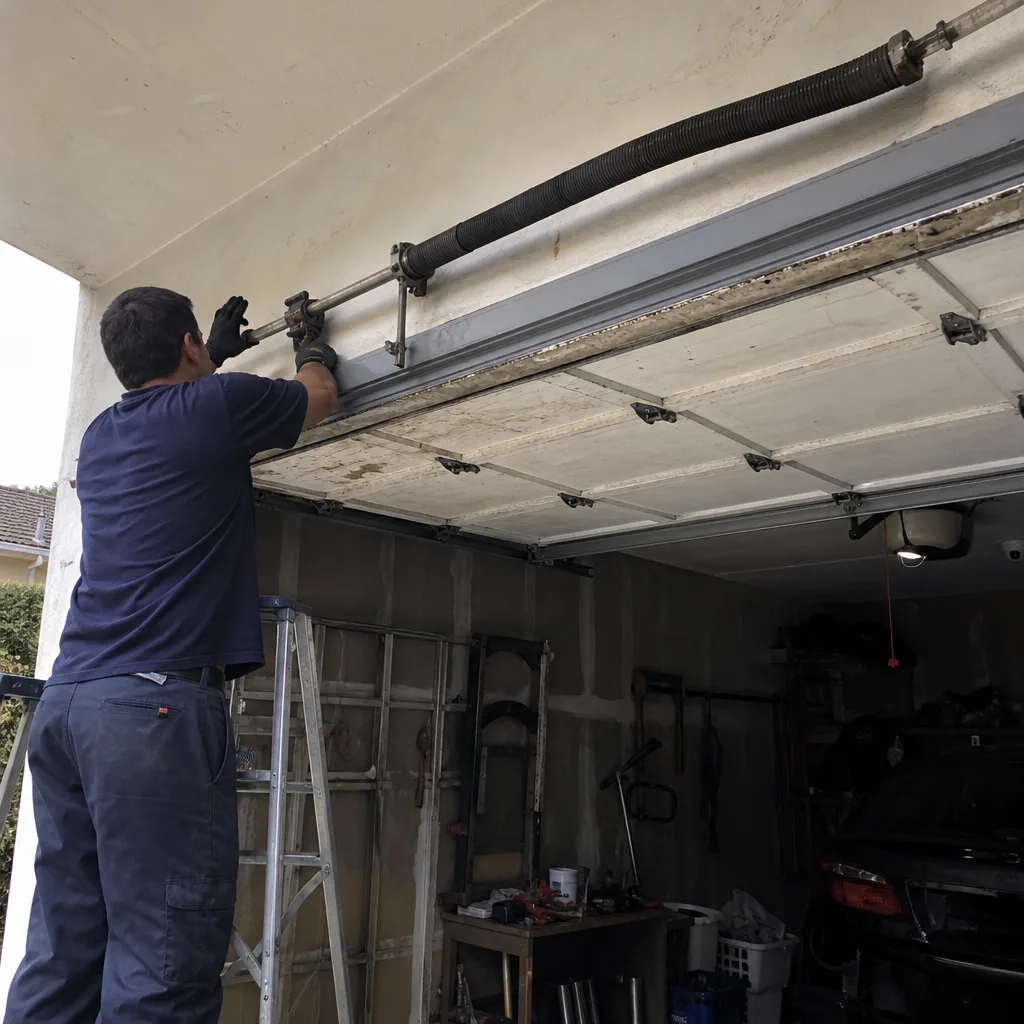 Before
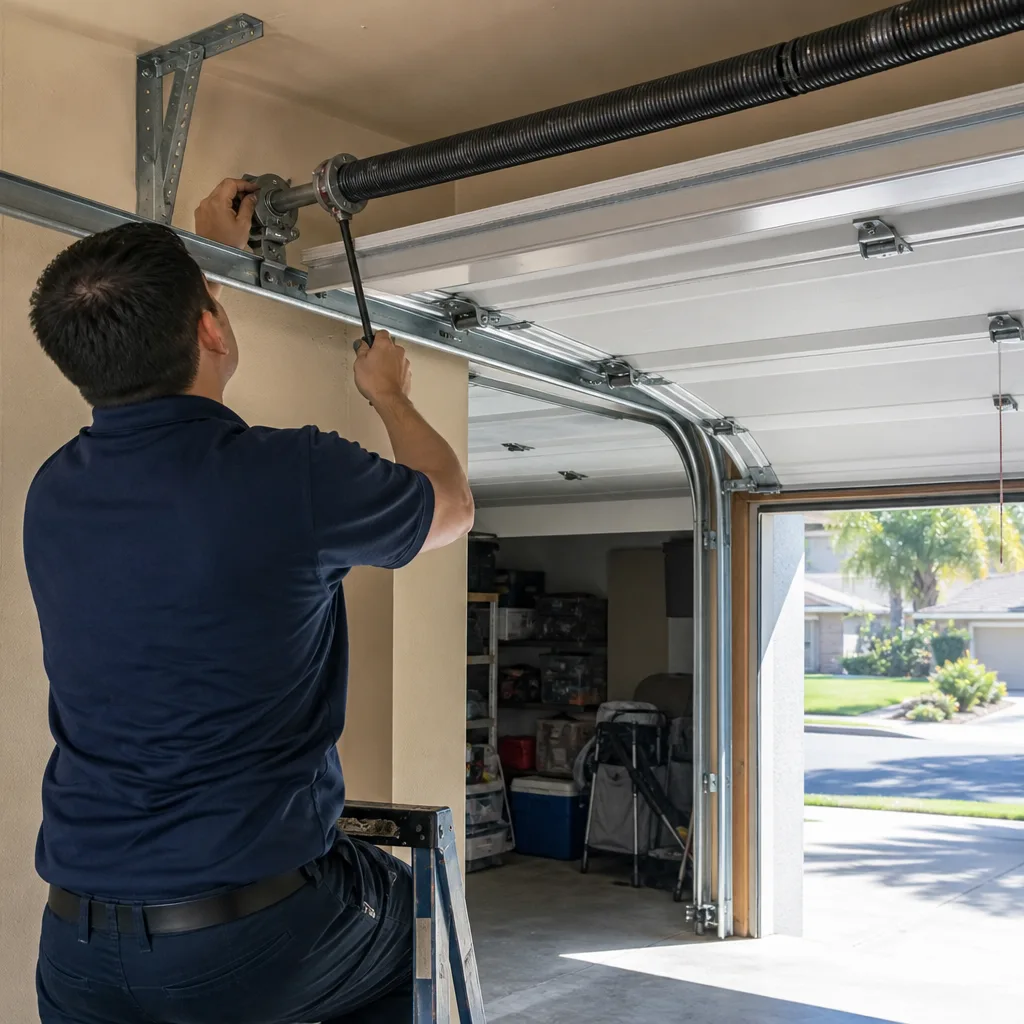 After
AfterSeasonal Garage Door Care for Huntington Beach: Year-Round Homeowner’s Guide
The Santa Ana wind events that run October through February push airborne grit through every garage door gap and strip lubricant from rollers and hinges faster than anything else in the Huntington Beach weather calendar, yet every seasonal maintenance guide tells you to lubricate in spring and fall, missing the window entirely. This guide replaces that generic four-season calendar with a coastal-pattern maintenance schedule built around the three climate phases that actually operate here: the marine layer, the UV peak, and the Santa Ana wind period. For a deeper dive into protecting your door year-round, see The Complete Guide to Garage Door in Huntington Beach. You’ll learn which components fail during each phase, what to inspect before damage becomes structural, and the dollar ranges for common repairs so you can plan ahead instead of reacting. By the time you finish reading, you’ll know more about how Huntington Beach weather affects your garage door than most technicians who work in inland cities, because the failure patterns here are genuinely different.
Quick Answer
Seasonal garage door maintenance in Huntington Beach means scheduling three targeted inspections per year: one in late May before the marine layer settles in, one in August when UV degradation peaks, and one in late September or early October before the first Santa Ana wind event. Each inspection focuses on different components because each climate phase stresses different materials. A homeowner can handle lubrication, visual inspection, and cleaning, while spring replacement, opener force adjustment, and panel repair are better left to a professional. Not sure which route to take? Our DIY vs Professional Garage Door: The Huntington Beach Homeowner’s Decision Guide breaks down when to call in help. Budget roughly $85 to $180 for a seasonal tune-up if you hire it out, and $25 to $40 in materials if you do the basic work yourself.
Table of Contents
- The Three Climate Phases That Actually Matter in Huntington Beach
- Marine Layer Phase (May-July): Moisture and Wood Panel Damage
- UV Peak Phase (August-September): Seal and Roller Degradation
- Santa Ana Phase (October-February): Grit, Lubricant Loss, and Spring Stress
- The Pre-Santa Ana Checklist: What to Do Before the Wind Arrives
- Opener Force Settings: Why Your Door Runs Differently in January
- Common Mistakes to Avoid
- When to Call a Professional
- Frequently Asked Questions
- The Bottom Line
BeforeAfterThe Three Climate Phases That Actually Matter in Huntington Beach
Huntington Beach doesn’t have winter. What it has is a repeating cycle of three distinct weather patterns, and each one attacks a different part of your garage door. If you’ve been following a maintenance schedule written for the Midwest or the Northeast, you’ve been lubricating at the wrong times and inspecting for problems that don’t occur here while missing the ones that do.
The marine layer runs roughly from May through July. It brings morning overcast, afternoon clearing, and consistent humidity in the 70 to 85 percent range overnight. That humidity condenses on cold metal surfaces, including garage door hardware, and it gets absorbed by wood panels and MDF door skins. The damage is slow and cumulative, and by the time you see it, it’s usually structural.
August through September is the UV peak. The marine layer retreats, the sun sits directly overhead for longer, and surface temperatures on a west-facing garage door in Huntington Beach can exceed 140 degrees Fahrenheit. UV radiation doesn’t just fade paint. It breaks down the polymer chains in vinyl bottom seals, nylon rollers, and weatherstripping. The materials become brittle, crack, and stop doing their jobs.
The Santa Ana phase runs October through February. These offshore wind events push dry desert air toward the coast, often at 30 to 50 miles per hour with higher gusts. That air carries fine grit, salt, and dust from inland. The grit works its way into roller bearings, hinge pins, and the torsion spring coils. It strips whatever lubrication survived the summer heat. Doors that ran quietly in September start grinding in November, and springs that were already marginal fail under the added friction load.
Understanding this cycle is the foundation of seasonal garage door care in Huntington Beach. Every recommendation in this guide maps back to one of these three phases, because the weather here doesn’t follow a calendar that someone in Ohio would recognize.
For a broader look at how these patterns affect day-to-day operation and repair needs, our Garage Door Repair in Huntington Beach page covers the full range of what we see in this market.
Marine Layer Phase (May-July): Moisture and Wood Panel Damage
The marine layer is the most underestimated weather pattern in Huntington Beach because it doesn’t look threatening. There’s no rain, no wind, no dramatic temperature swing. Yet the humidity it delivers is the single biggest cause of wood garage door panel deterioration in this city. Here’s what happens and what to look for.
What the marine layer does to your door:
- Wood panel absorption: Overnight humidity in the 70 to 85 percent range penetrates unfinished or lightly sealed wood. The wood swells. Afternoon sun dries it out. The repeated swell-and-shrink cycle causes fasteners to loosen, panels to warp, and paint to crack at the seams.
- MDF door skin failure: Many mid-range garage doors use MDF (medium-density fiberboard) skins over a foam core. MDF absorbs moisture aggressively. Once water gets past the paint layer, the MDF swells and delaminates. This is not repairable. The panel must be replaced.
- Hardware surface rust: Hinges, brackets, and track hardware develop surface rust during marine layer months even without direct rain exposure. The rust isn’t immediately structural, but it accelerates wear on moving parts.
- Condensation in the opener housing: The metal housing of a garage door opener can collect condensation during humid nights. That moisture sometimes reaches the logic board, which is why opener failures have a seasonal bump in June and July in Huntington Beach.
What to inspect in June and July:
- Panel seams, especially on the bottom two panels. Look for paint bubbling, soft spots, or visible swelling. Press gently on any suspect area with your thumb. If it gives, moisture has already penetrated.
- The bottom rail of the door. This is where condensation drips and sits. Check for rust on steel doors and rot on wood doors.
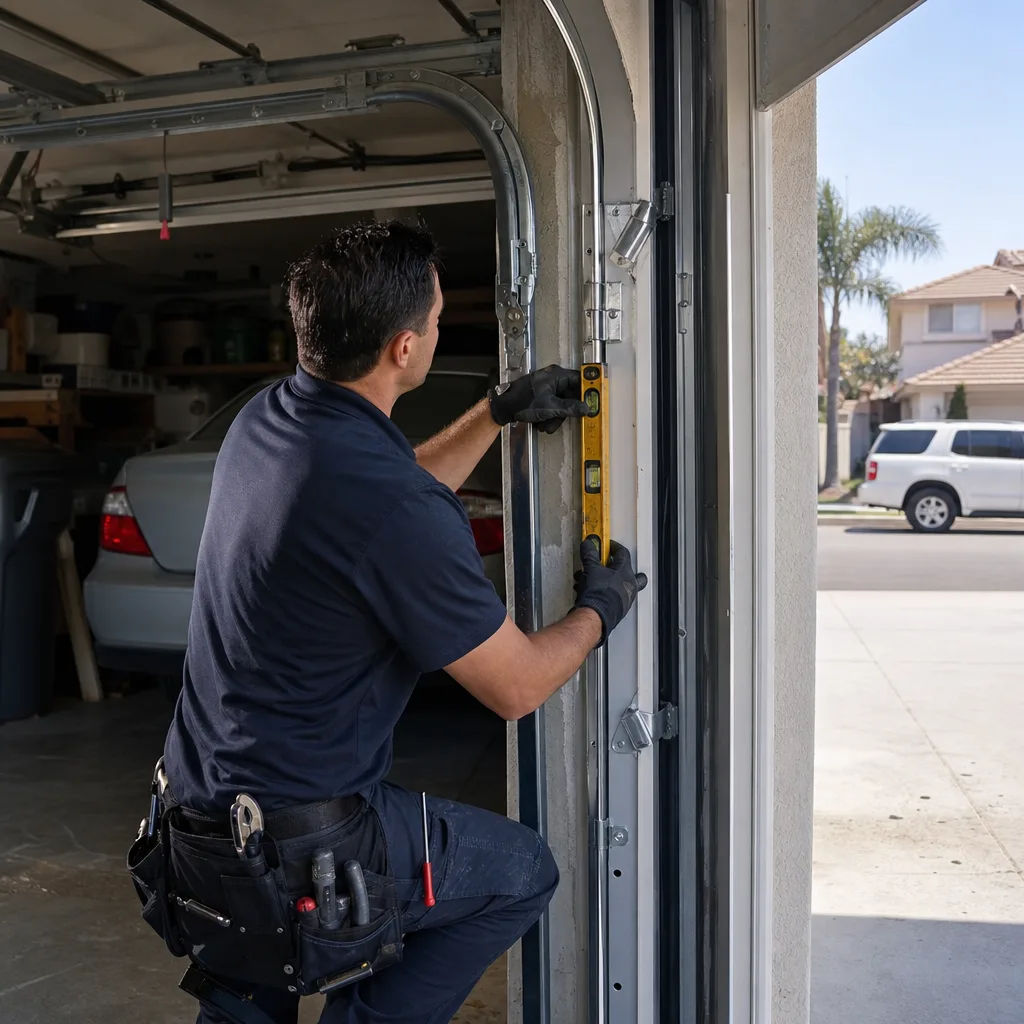
- Weatherstripping contact. The seal between the door and the jamb should be continuous. Gaps let humid air circulate behind the door, which accelerates panel damage.
- The opener’s housing. Look for water spots or mineral deposits on the exterior of the opener unit. If you see them, the unit is cycling through condensation regularly.
If you have a wood door in Huntington Beach, the marine layer is your door’s biggest enemy, and the solution is usually a high-quality exterior paint system with a flexible sealant, not a clear-coat varnish. Varnish looks good for one season and then fails at the seams, letting water in behind the finish. If you’re seeing panel damage already in progress, a professional can assess whether the panel can be salvaged or needs replacement before the damage spreads to adjacent panels.
For homeowners considering a door replacement, particularly in the older beach-adjacent neighborhoods where wood doors are common, our Garage Door Installation in Huntington Beach page includes material recommendations that hold up in coastal humidity.
UV Peak Phase (August-September): Seal and Roller Degradation
August and September in Huntington Beach are brutal on polymer materials. The combination of direct sun, high surface temperatures, and UV radiation breaks down vinyl, nylon, and rubber compounds at a rate that surprises homeowners who bought their doors recently. Here’s what fails first and how to spot it before it causes a bigger problem.
Components that degrade fastest during UV peak:
- The bottom seal: The vinyl or rubber strip on the bottom of the door flattens, hardens, and develops cracks. Once it’s brittle, it no longer seals against the concrete, which lets in dust, water, and pests. On west-facing doors in Huntington Beach, this seal rarely lasts more than two or three summers.
- Nylon rollers: The nylon tire on a garage door roller deteriorates under UV exposure and heat. You’ll see surface cracking first, then chipping at the edges, then a flat spot that makes the door noisy or jerky in operation.
- Weatherstripping on the jambs and header: The vinyl weatherstrip shrinks and pulls away from the frame, leaving gaps at the corners.
- Door surface finish: Powder-coated steel doors fade, though modern coatings are far better than they were fifteen years ago. More important than fade is chalking, where the coating breaks down and leaves a powdery residue on your hand when you wipe the door.
Visual cues that signal UV degradation:
- The bottom seal looks flattened and no longer has a rounded profile where it contacts the ground.
- Cracks are visible when you bend the seal gently by hand. A healthy seal flexes without cracking.
- You can see daylight under the door at either corner, even when the door is fully closed and the concrete is level.
- The door is noticeably louder in August than it was in May, which usually means the nylon tires on the rollers are breaking down.
- You see small black or gray flakes on the inside of the horizontal track. That’s roller material.
Replacement spec that lasts more than one season:
If you’re replacing a bottom seal in Huntington Beach, look for a seal made from EPDM rubber rather than standard vinyl. EPDM is a synthetic rubber compound with significantly better UV and heat resistance than vinyl. It costs a few dollars more per foot, but it will typically survive three to five Huntington Beach summers instead of two. The same logic applies to rollers. Nylon rollers with sealed ball bearings (not the unsealed bearings in cheap replacements) will outlast the budget option by several years in this climate. Brands like Amarr and Clopay ship doors with higher-grade polymer components than some other manufacturers, which is part of why their coastal performance is consistently better in our experience.
When we photograph a door at the end of August in Huntington Beach, the bottom seal is the most common component that needs replacement. It’s a $60 to $120 repair including parts and labor, and it’s the difference between a sealed garage and one that collects dust, leaves, and an occasional lizard during Santa Ana season.
For opener-related issues that surface during these hot months, see Garage Door Opener Repair & Installation in Huntington Beach for a breakdown of what heat does to openers and what repair costs look like.
Santa Ana Phase (October-February): Grit, Lubricant Loss, and Spring Stress
Ask any garage door technician in Huntington Beach when they’re busiest, and they’ll tell you it’s during and immediately after the first strong Santa Ana wind event of the season. The wind itself rarely damages a door directly. What it does is expose every maintenance shortfall from the previous eight months.
What Santa Ana winds do to garage door components:
- Grit intrusion into bearings: The fine wind-driven particles work their way past the seals on roller bearings and into hinge pins. Once inside, they act as an abrasive that accelerates wear. A roller that would have lasted seven years might fail in four if it runs dirty through two Santa Ana seasons.
- Lubricant stripping: The dry, warm air combined with moving parts that are already hot from operation causes lubricant to break down and evaporate faster than during any other part of the year. Rollers and hinges that were lubricated in September will often be dry by November.
- Torsion spring stress: Springs don’t care about wind directly, but they care about friction. When rollers and hinges are running dry and dirty, the door requires more force to move, which means the torsion spring works harder on every cycle. A spring that measured at 70 percent of its rated life in September can fail in December because the door is dragging.
- Track misalignment from vibration: On doors that are already slightly out of adjustment, the constant pressure changes from gusting wind can push the door against the track, worsening misalignment and creating wear points.
What you’ll notice first:
- A grinding or rough sound when the door moves, especially at the bottom of the travel.
- The door hesitates or jerks at one point in the cycle.
- The opener sounds like it’s straining more than it did in the summer.
- Visible dust and grit accumulation on the horizontal tracks within days of a wind event.
- Increased vibration in the door panels when the door is moving.
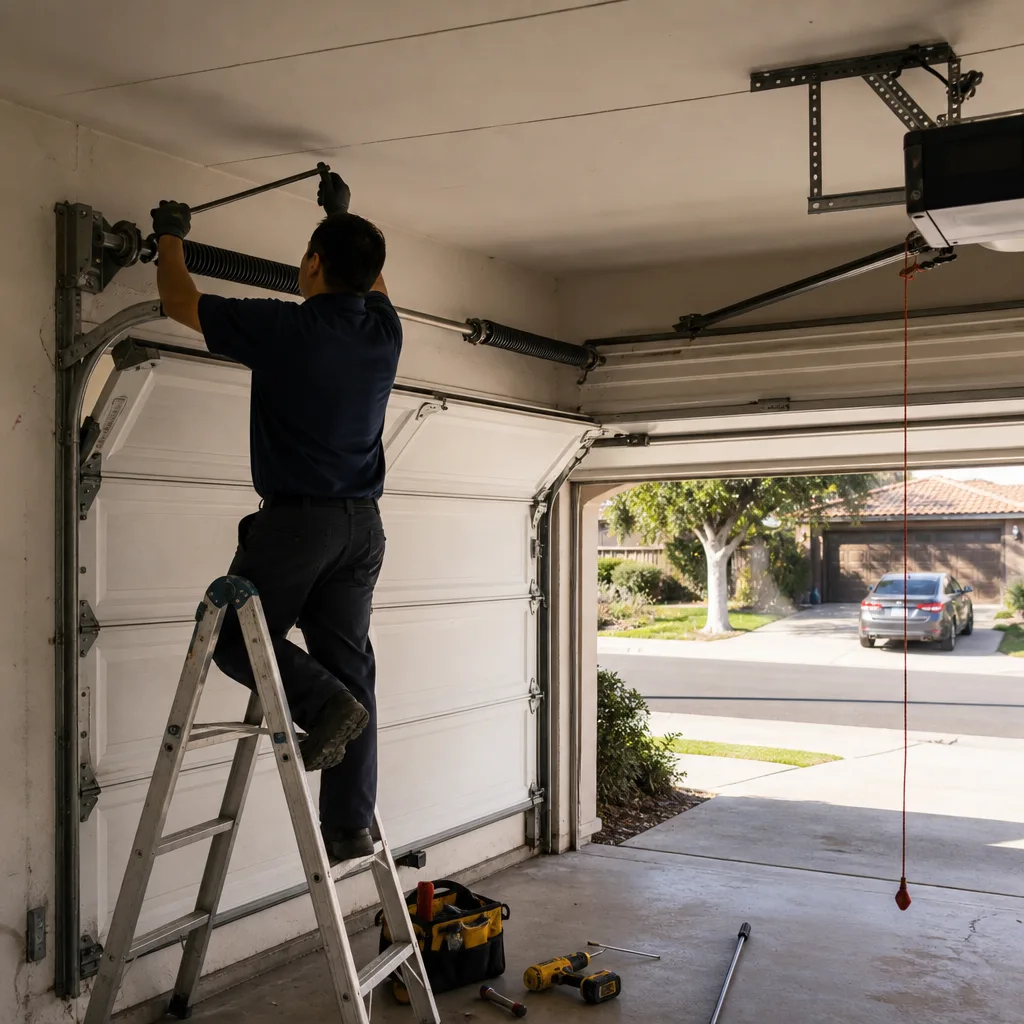
The Santa Ana phase is also when we see the most spring failures in Huntington Beach. A torsion spring is rated for a certain number of cycles, typically 10,000 for a standard spring. But a door running with dry, gritty rollers puts extra load on that spring on every cycle, effectively shortening its life. When a spring fails, the door becomes extremely heavy and dangerous to operate manually, which is why we always recommend a professional handle spring replacement. The tension in a torsion spring is stored energy, and releasing it improperly causes serious injury.
If you hear a loud bang from the garage that sounds like a firecracker, that’s a torsion spring breaking. The door won’t open properly, and you should not attempt to open it manually. Call a professional. This is not a DIY repair under any circumstances.
The Pre-Santa Ana Checklist: What to Do Before the Wind Arrives
The single most important service window in Huntington Beach is late September to early October, before the first Santa Ana wind event of the season. The work you do in this window determines how your door performs for the next five months. Here’s the checklist we recommend, in order of priority.
- Inspect and lubricate all moving parts. Use a garage door specific lubricant (not WD-40, which is a solvent and will strip existing lubricant). Apply a small amount to each roller bearing, hinge pin, and the torsion spring coils. Wipe away excess. This takes about twenty minutes and costs under $15 in materials.
- Clean the tracks with a dry cloth. Remove accumulated dust and grit. Do not grease the tracks. The rollers are designed to roll on a clean, dry track, and grease here will collect grit and create a grinding paste.
- Inspect the bottom seal and weatherstripping. Replace any material that is cracked, flattened, or pulling away from the frame. The gaps these defects create are exactly where Santa Ana dust enters your garage.
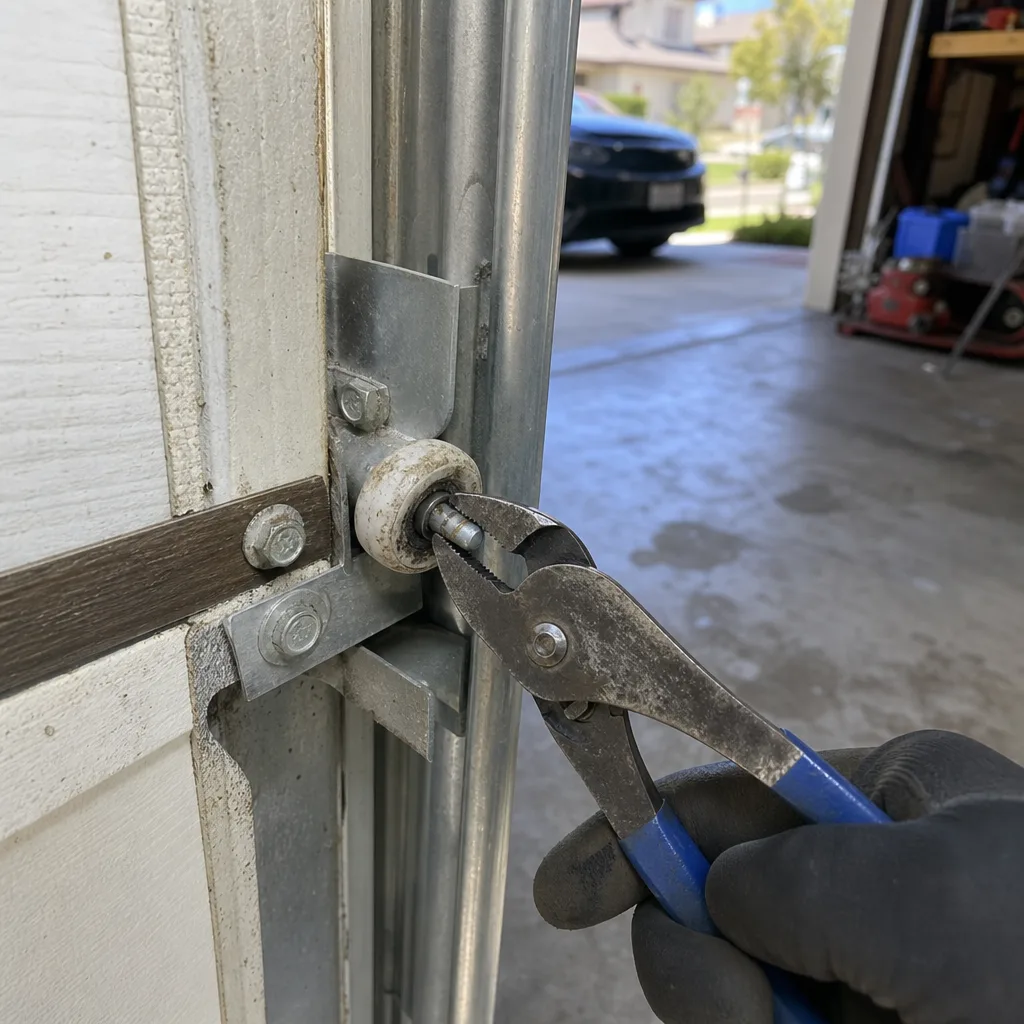
- Check roller condition. Look for cracking on the nylon tire, wobble in the bearing, or visible wear on the shaft. Replace worn rollers before the wind season adds grit to the equation.
- Test the door balance. Pull the emergency release handle and lift the door manually. It should move smoothly and hold its position about halfway up without falling or rising on its own. If it doesn’t, the springs may be losing tension and need professional attention.
- Run the door through a full cycle and listen. A quiet door in October is a door that will likely stay quiet through February. Any grinding, squeaking, or rattling now will only get worse.
We perform this exact checklist on hundreds of Huntington Beach doors every year, and the pattern is consistent: doors that get this service before the first wind event need significantly fewer repairs during the Santa Ana phase than doors that wait until they’re already making noise in December. The cost difference between a pre-season tune-up at $85 to $180 and a mid-season roller and hinge replacement at $200 to $400 is substantial, and the pre-season service is voluntary while the mid-season repair is not. For detailed pricing on all common repairs, see our Garage Door Cost Breakdown: The Huntington Beach Homeowner’s Reference for 2026.
Opener Force Settings: Why Your Door Runs Differently in January
Here’s a seasonal adjustment that almost no one talks about, and it’s the cause of a lot of false alarm calls in Huntington Beach. Your garage door opener has a force setting that controls how much resistance the motor will push against before it reverses. This setting is calibrated for a specific door weight and friction level at the time of installation or last service. But your door’s operating weight changes with the weather, and in Huntington Beach, the swing is enough to trigger false safety reversals in winter.
Here’s the mechanism: steel and wood both expand and contract with temperature. A steel door that’s 16 feet wide can expand by a measurable amount between a 95-degree August afternoon and a 45-degree January morning. The nylon rollers also become slightly harder in cold weather, which increases rolling resistance. The combination means the door is effectively heavier and harder to move in January than it was in August, when the opener’s force setting may have been calibrated. The opener interprets the added resistance as an obstruction and reverses the door, sometimes repeatedly, when you try to close it.
What this looks like in practice:
- The door starts to close, reaches about halfway down, and reverses as if something is in the way. There’s nothing in the way.
- The issue appears mainly in the morning when temperatures are lowest, and the door works fine later in the day.
- The problem started after a seasonal temperature shift, not after any work was done on the door.
How a professional addresses this:
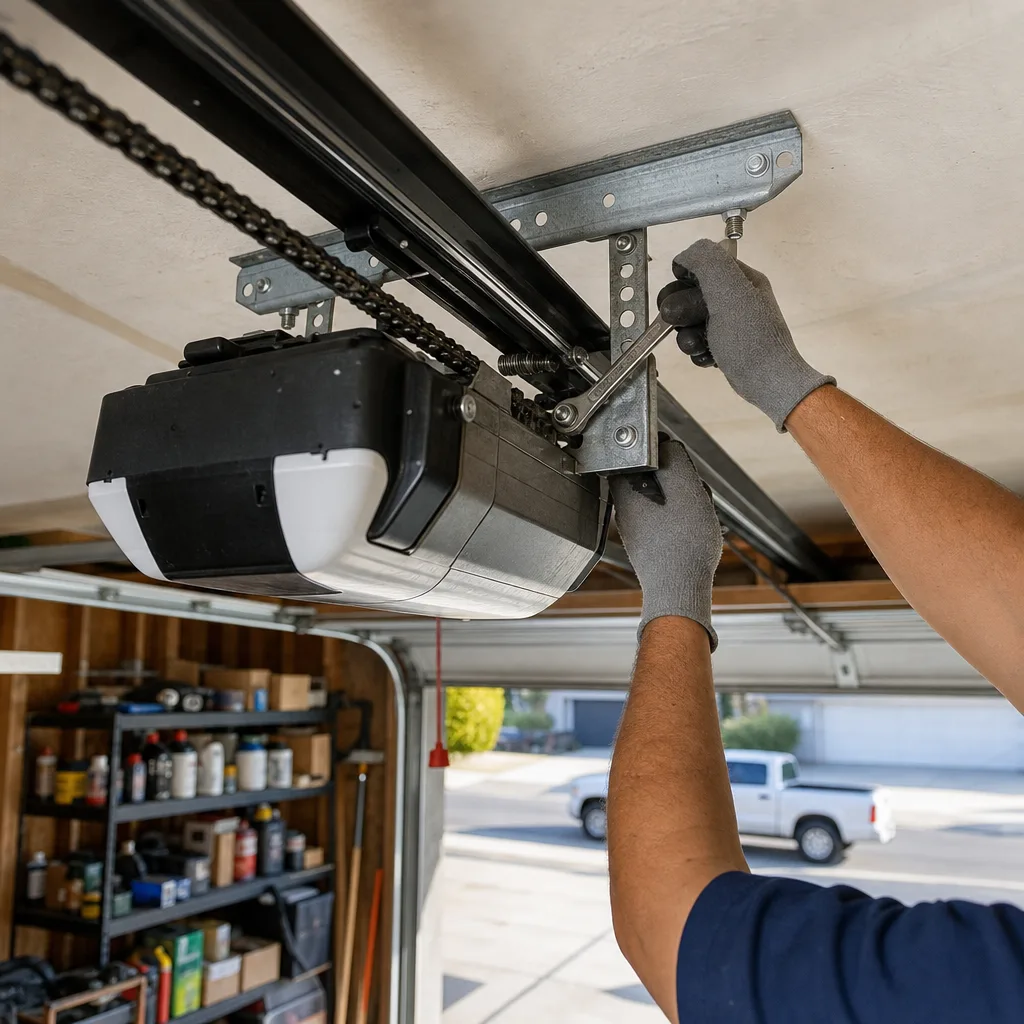
The fix is a force setting adjustment, which takes about fifteen minutes and typically costs $75 to $120 if done as a standalone service call in Huntington Beach. The technician measures the door’s actual running force with a gauge, sets the opener’s force threshold slightly above that measurement (with proper safety margin), and verifies the auto-reverse behavior with an obstruction test. This is not a setting you should adjust yourself. The safety reverse mechanism is what prevents the door from crushing a child, a pet, or an object, and setting the force too high disables that protection. The adjustment dial on most openers is designed to be set once by a qualified person, not tuned seasonally by a homeowner.
We adjust force settings on openers across Huntington Beach every winter, and the false-reversal call is one of the most common we take between December and February. The good news is that it’s a simple fix. The bad news is that if you keep holding the wall button down to force the door closed (which bypasses the safety reversal on most models), you’re teaching your family that the safety system is an inconvenience, and that’s a habit with serious potential consequences. The right answer is to get the force setting corrected.
Most opener brands, including LiftMaster, Chamberlain, and Genie, have similar force-setting behavior. A Craftsman opener from the older chain-drive generation is more tolerant of force variation than a modern belt-drive unit, but the principle is identical across all of them.
Common Mistakes to Avoid
- Lubricating on a spring/fall calendar. In Huntington Beach, the lubrication window that matters is late May and late September. Spring and fall lubrication (April and October) misses the marine layer’s onset and arrives after the first Santa Ana event has already done its damage.
- Using WD-40 on rollers, hinges, or springs. WD-40 is a penetrant and solvent, not a lubricant. It will temporarily quiet a noisy door and then strip whatever real lubricant was there, leaving the components drier than before. Use a white lithium grease or silicone-based garage door lubricant.
- Ignoring the bottom seal until you can see daylight. By the time a gap is visible at the bottom of the door, the seal has been failing for months. Check it at the start of every climate phase, not when you notice a problem.
- Forcing the door closed when the opener reverses. Holding down the wall button bypasses the safety reversal. If your door is reversing on its own, there’s a reason, and overriding the safety system is the wrong response. The issue is usually a force setting, an obstruction in the track, or a worn roller.
- Attempting torsion spring replacement as a DIY project. The torsion spring stores enough energy to cause severe injury or death if mishandled. This is a professional-only repair, period. The winding bars, the procedure, and the risk are not something a YouTube video can safely teach you.
- Painting a wood door without addressing moisture damage first. Paint seals in moisture and accelerates rot. If your wood door has soft spots or visible swelling from marine layer humidity, the damaged material must be addressed before repainting, or you’re making the problem worse.
- Assuming a noisy door is just an annoyance. Noise is the first symptom of roller wear, dry hinges, or spring fatigue. Every phase of Huntington Beach weather can be managed with maintenance, but a door that’s been noisy for two seasons is a door with components that are already on borrowed time.
When to Call a Professional
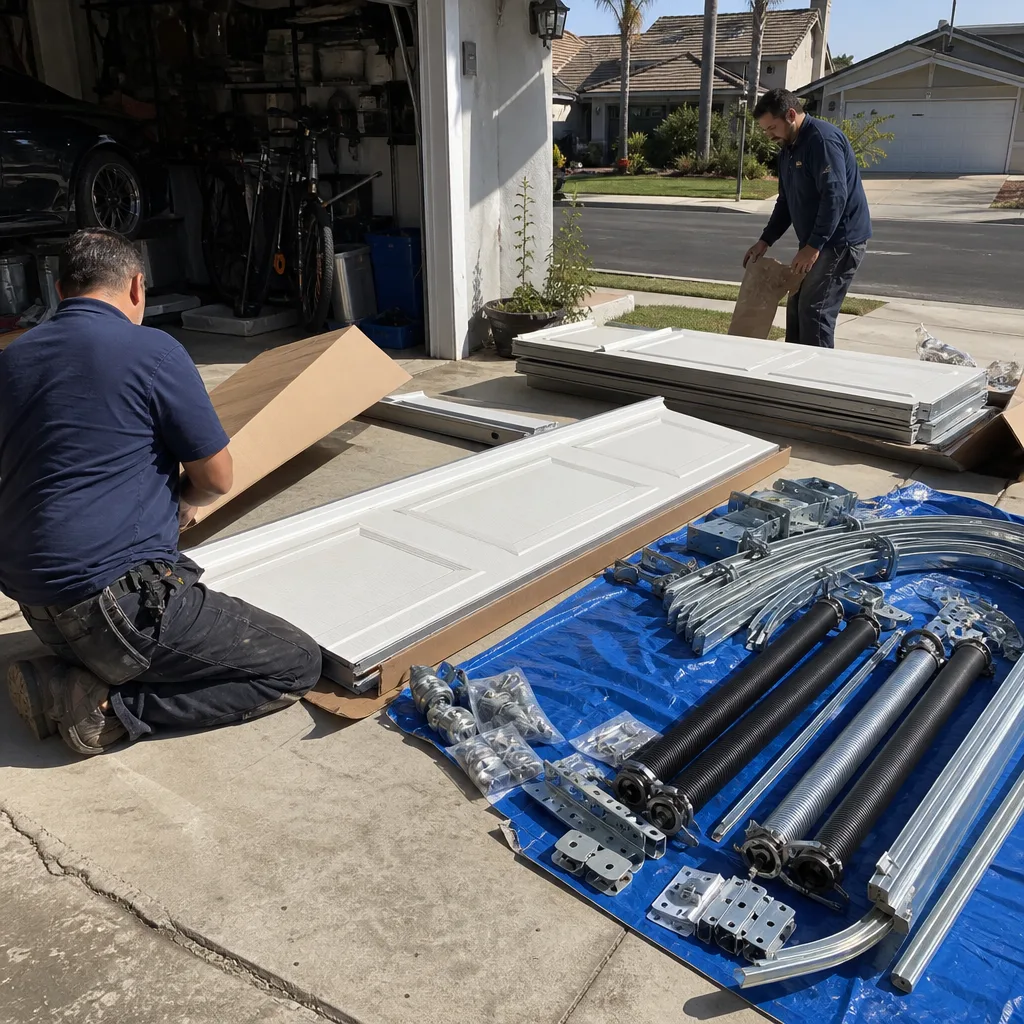
Most of the seasonal care in this guide is homeowner-friendly, but some situations require a trained technician. Call a professional if your torsion spring breaks (a loud bang from the garage), if your door is visibly sagging or unbalanced when you lift it manually, if you see cracks or flat spots on more than one roller, if your wood door has soft spots or visible rot on the bottom panels, or if your opener is reversing on its own and you’ve already checked for obstructions. These are not maintenance items; they’re repair items, and an incorrect fix can damage the door or injure someone. Servo Garage Doors Huntington Beach offers free estimates in Huntington Beach, and you’ll get a written price before any work starts. Call (657) 256-6126 to schedule.
Frequently Asked Questions
Twice a year: once in late May before the marine layer settles in, and once in late September before the first Santa Ana wind event. These two windows correspond to the times when your door’s moving parts are about to face their most demanding conditions. Lubricating on this schedule costs under $15 per year in materials and extends roller and hinge life significantly. If your door is running noticeably louder than usual, call (657) 256-6126 and we’ll assess whether the noise is normal wear or a component that needs replacement.
Our seasonal tune-up in Huntington Beach typically runs $85 to $180, which includes inspection of all moving parts, lubrication, track cleaning, a balance test, and a force setting check on the opener. We’ll give you a written price before starting, and if we find something that needs replacement (a roller, a seal, a hinge), we’ll photograph it and quote the replacement separately before doing any additional work.
In Huntington Beach, false safety reversals in winter are usually caused by a force setting that was calibrated during warmer months. The door runs slightly heavier in cold morning air because the metal contracts and the nylon rollers stiffen, and the opener interprets the added resistance as an obstruction. The fix is a force setting adjustment, which takes about fifteen minutes. Don’t hold the wall button to force the door closed; that bypasses the safety reversal.
A standard torsion spring is rated for about 10,000 cycles, which translates to roughly 7 to 10 years for a typical homeowner in Huntington Beach who uses the door twice a day. However, springs that run on a door with dry or gritty rollers fail sooner because the added friction makes every cycle harder on the spring. The best way to protect your spring investment is to keep the rest of the door’s moving parts lubricated and clean, especially before Santa Ana season.
Yes, in most cases. The bottom seal slides into a channel on the bottom of the door, and replacement is a thirty-minute job with basic tools. The key is buying the right seal profile for your specific door. If you’re unsure which profile you need, you can bring a small piece of the old seal to any garage door parts supplier, or call us and we’ll identify it. If you’d rather have it done professionally, a new bottom seal in Huntington Beach typically runs $60 to $120 installed.
Look for paint bubbling, swelling at the panel seams, soft spots when you press gently on the bottom panels, or any visible cracking in the paint that exposes bare wood. These signs mean moisture has already penetrated the surface, and the damage will continue to progress through the marine layer season. By the time a wood door shows visible rot, the affected panel usually needs replacement rather than repair. Call us at (657) 256-6126 if you’re seeing any of these signs and want an assessment.
The Bottom Line
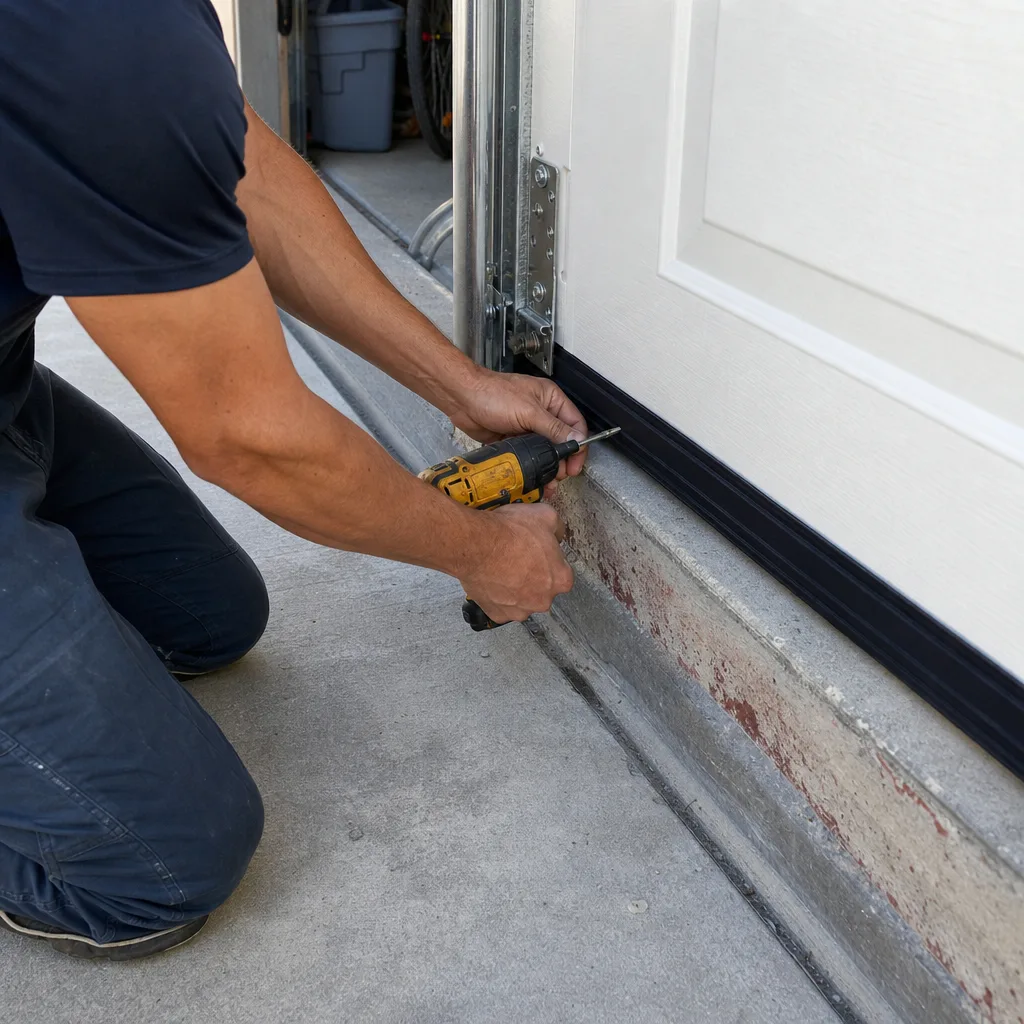
Garage door care in Huntington Beach is a three-phase discipline: manage moisture during the marine layer months, replace UV-degraded materials during the late summer peak, and prepare the door’s moving parts for grit and friction before the Santa Ana winds arrive. A homeowner who lubricates twice a year at the right times, keeps the bottom seal and weatherstripping in good condition, and addresses noise early will get significantly more life out of every component, from the $8 roller to the $200 spring. If you’re not sure where to start, Servo Garage Doors Huntington Beach home offers free estimates, and every service comes with a written price before work begins. Call (657) 256-6126 to schedule your next seasonal inspection.
Written by Marcus Deller, Owner at Servo Garage Doors Huntington Beach, serving Huntington Beach since 2015.