
Full 25-point door and opener safety check with every visit - springs, cables, rollers, tracks, and your LiftMaster or Chamberlain opener included
You get a price before we start. It does not change when the truck arrives.
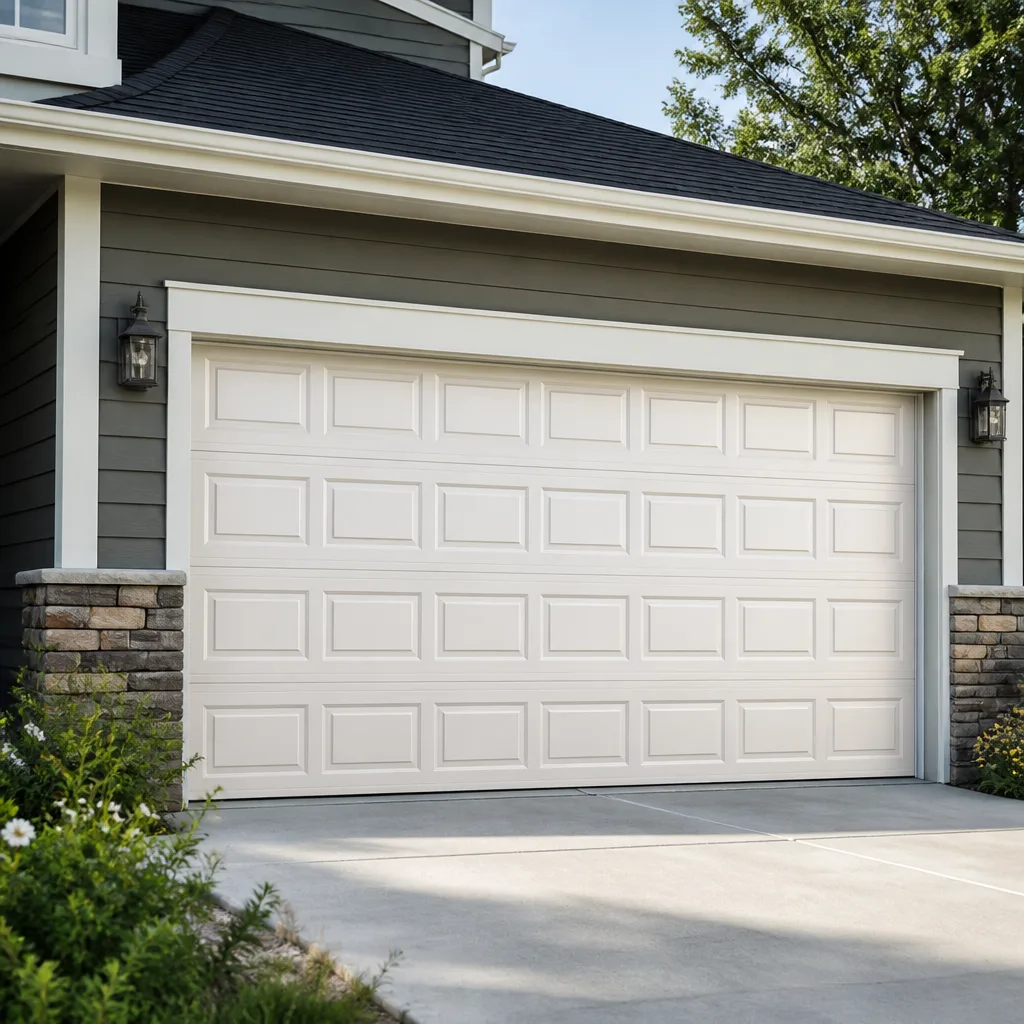
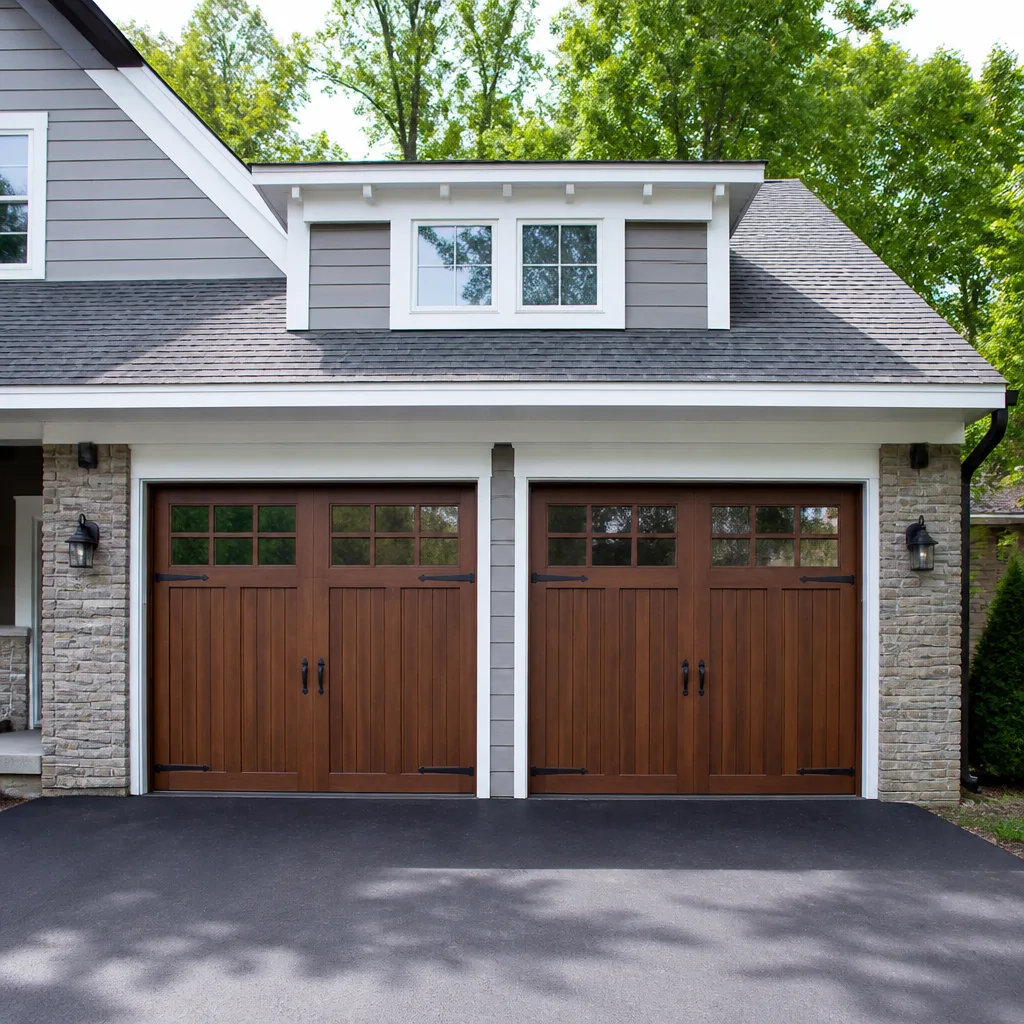
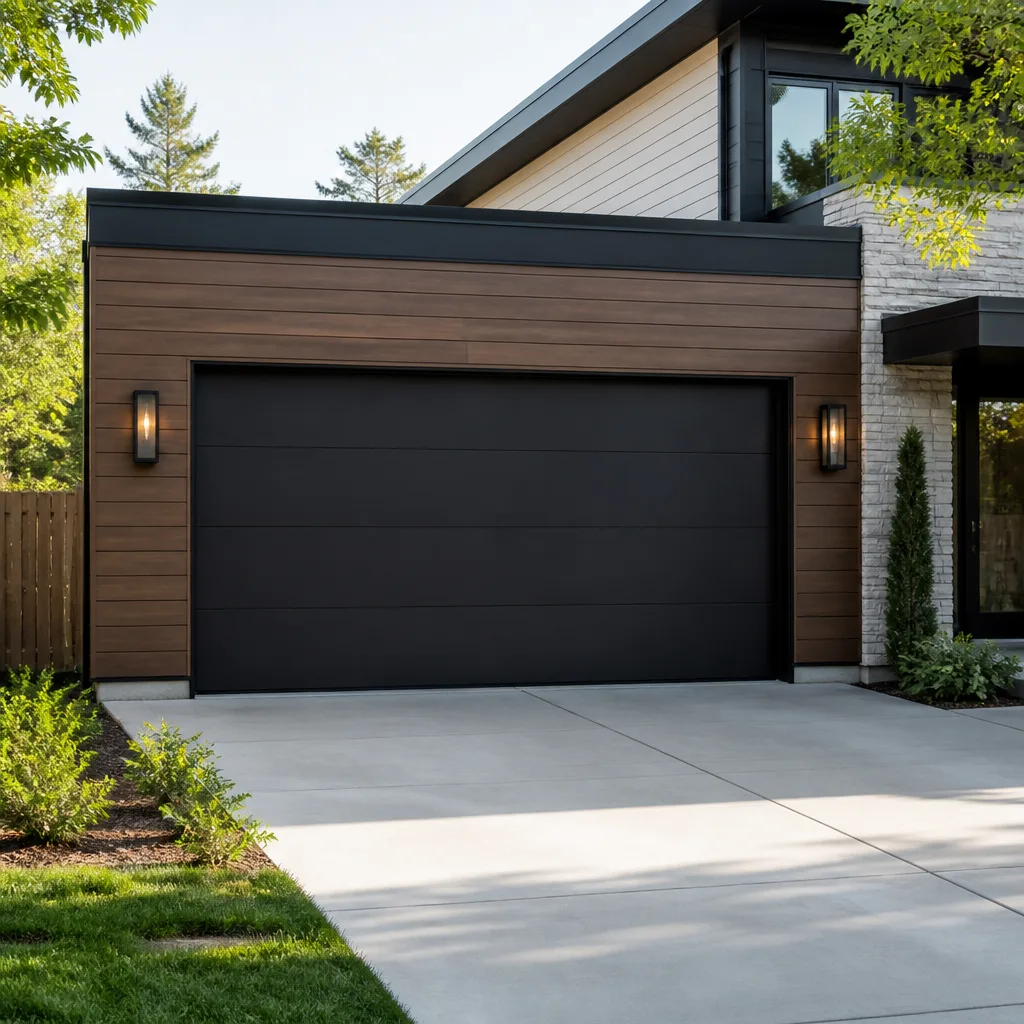
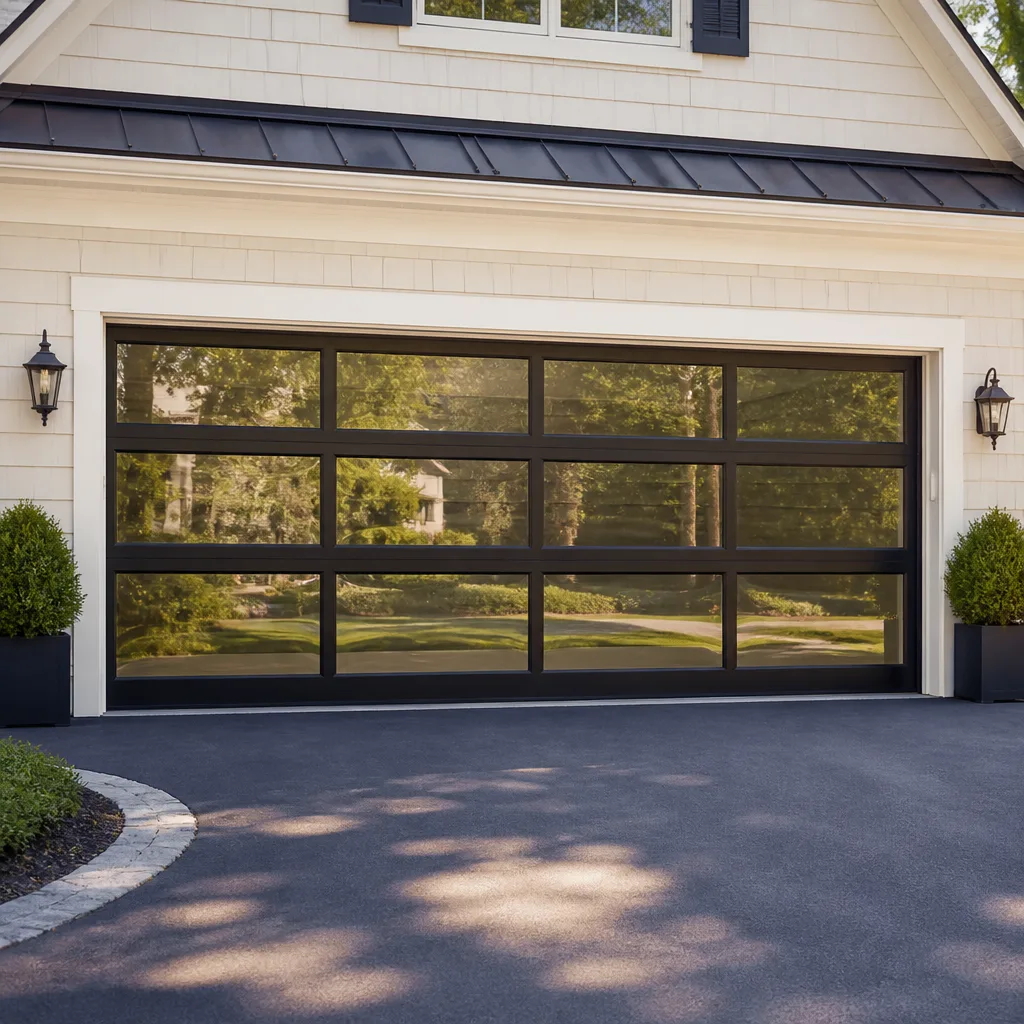
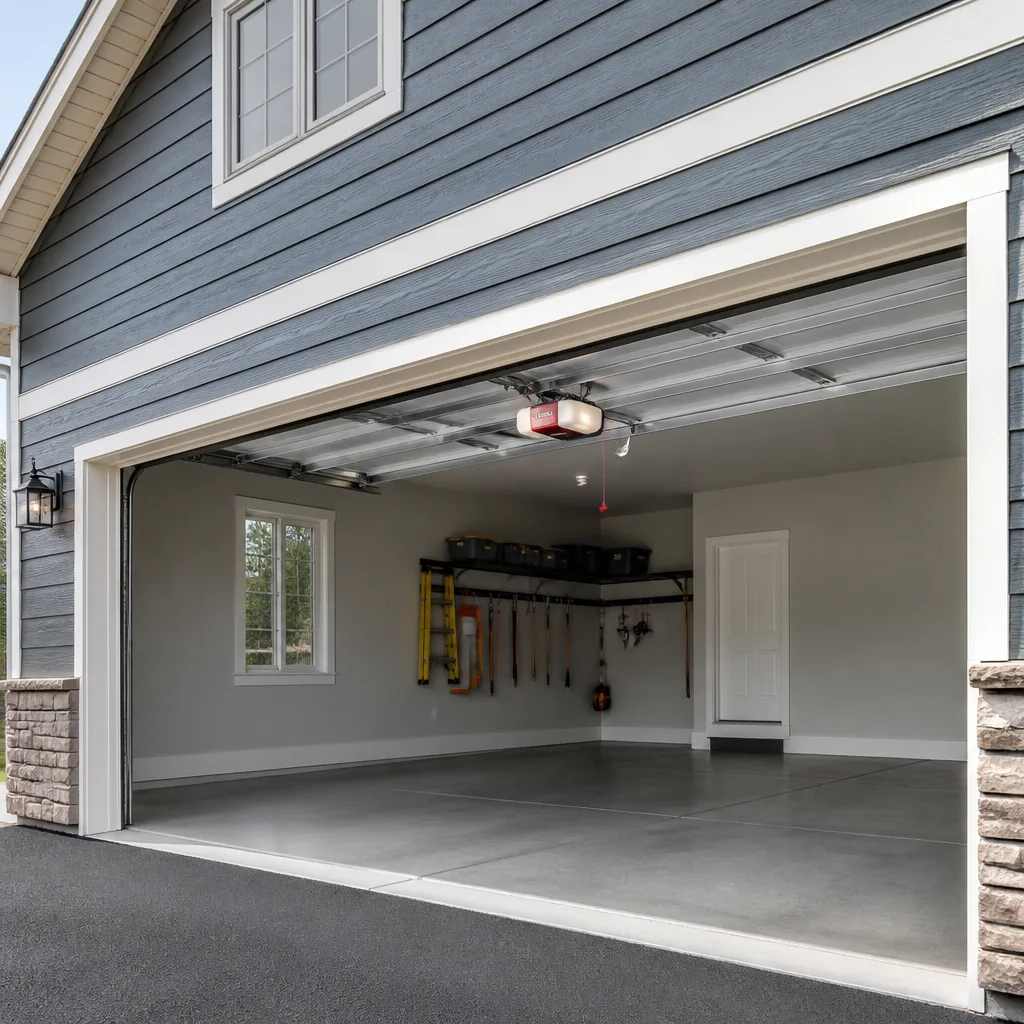
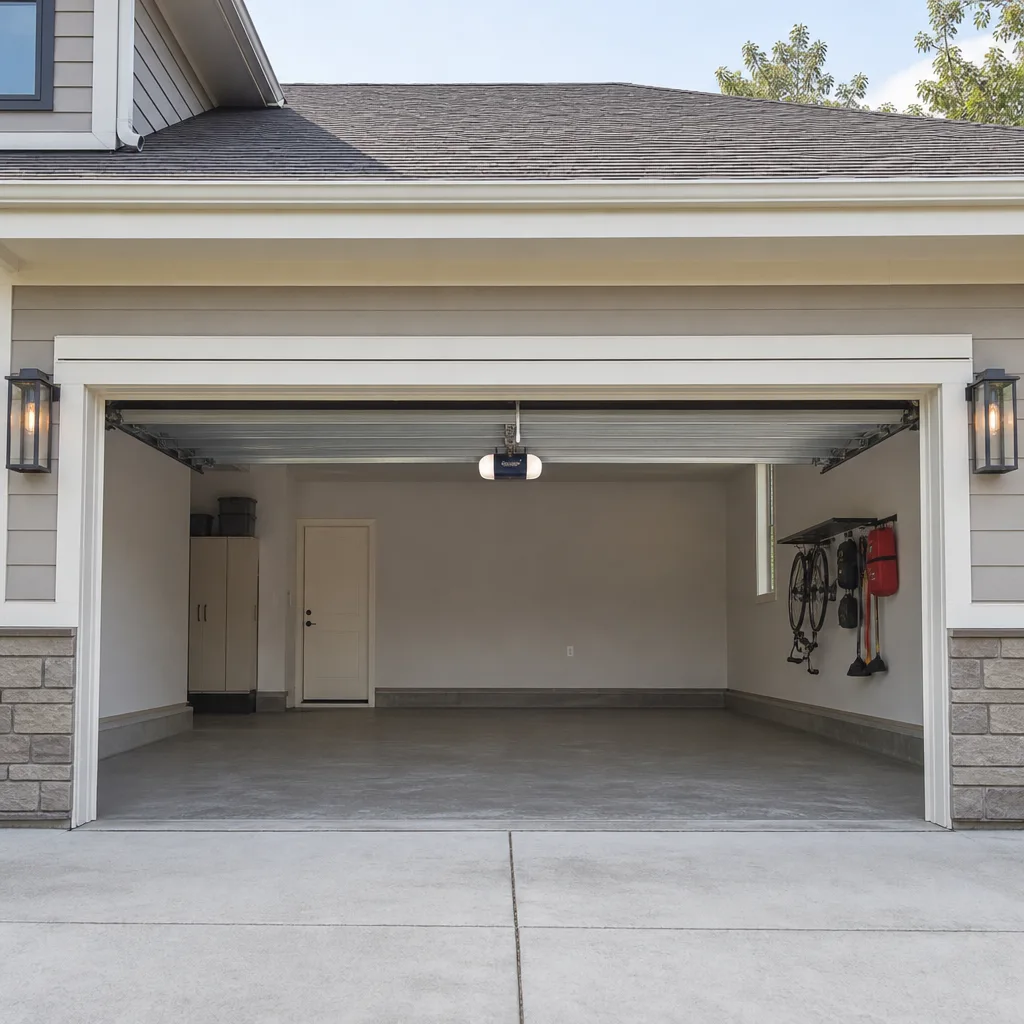
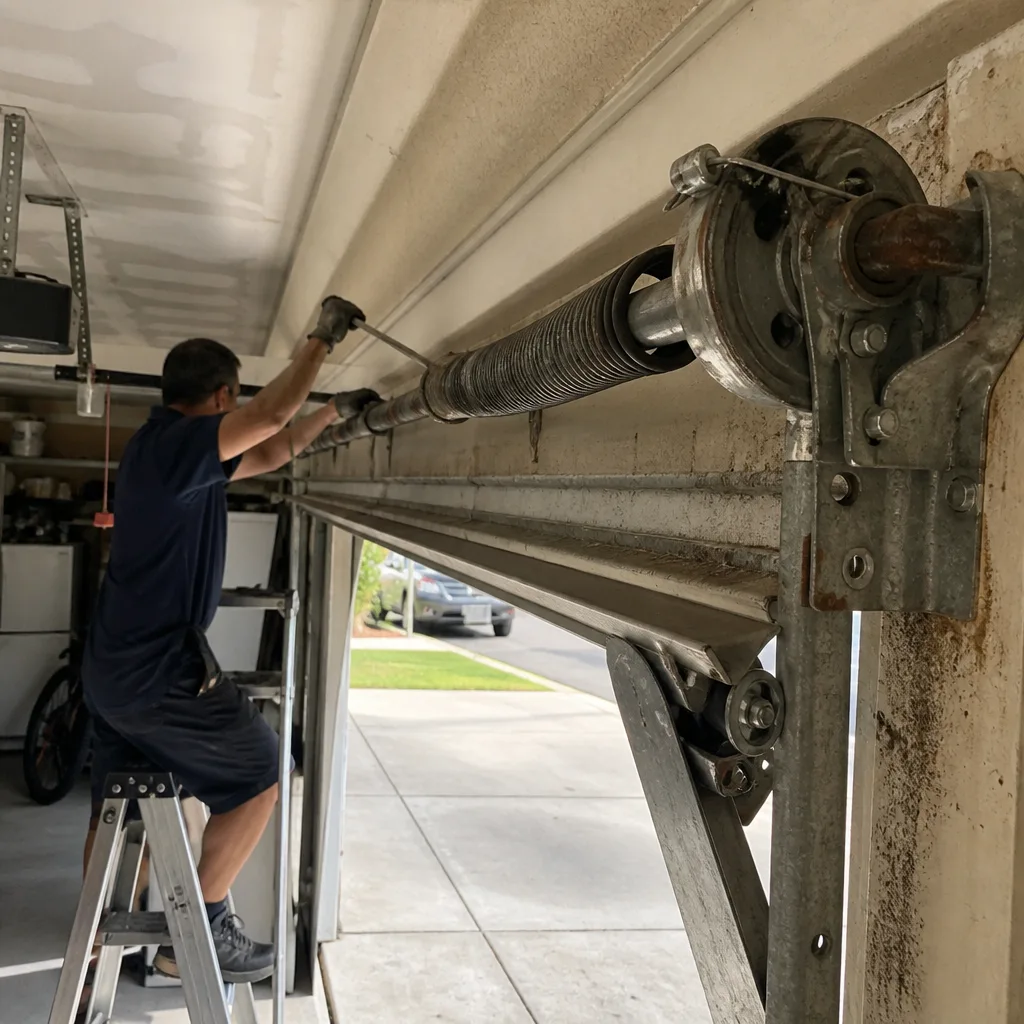 Before
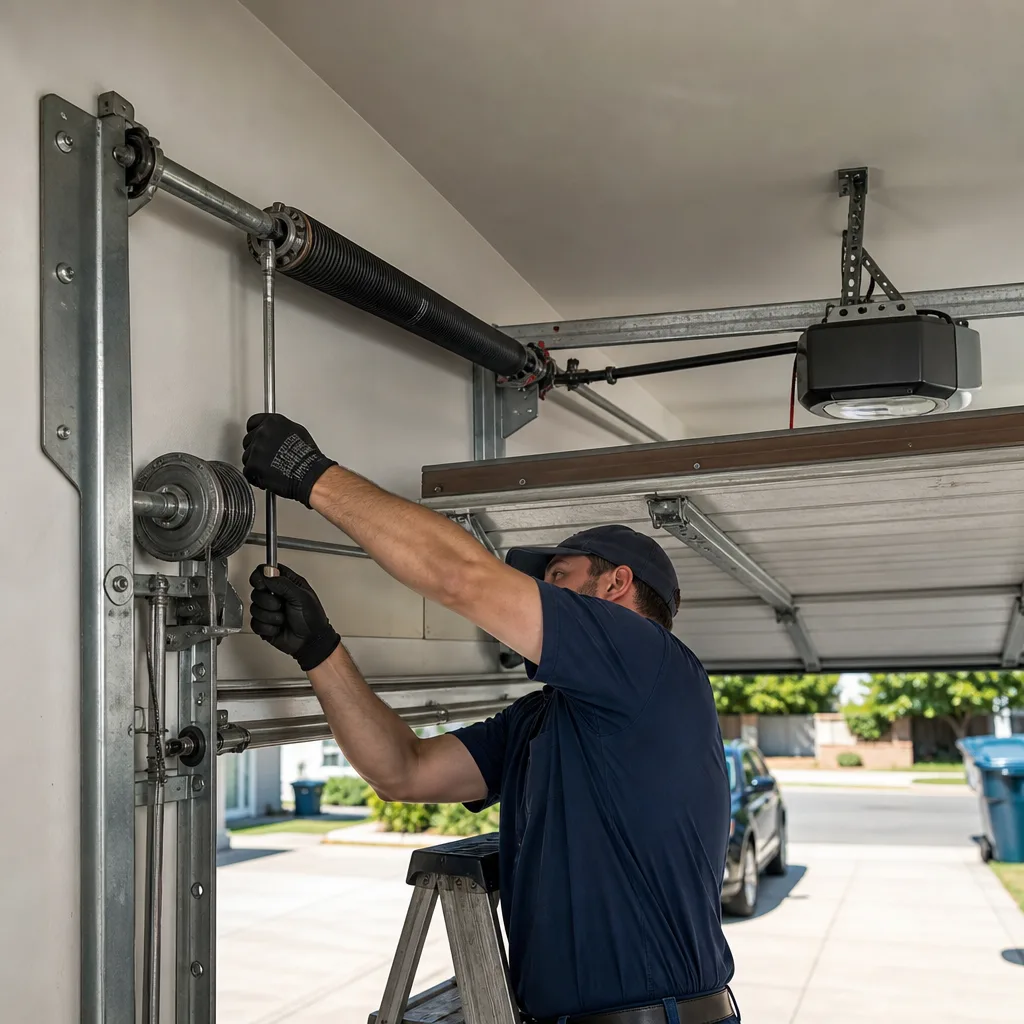 After
After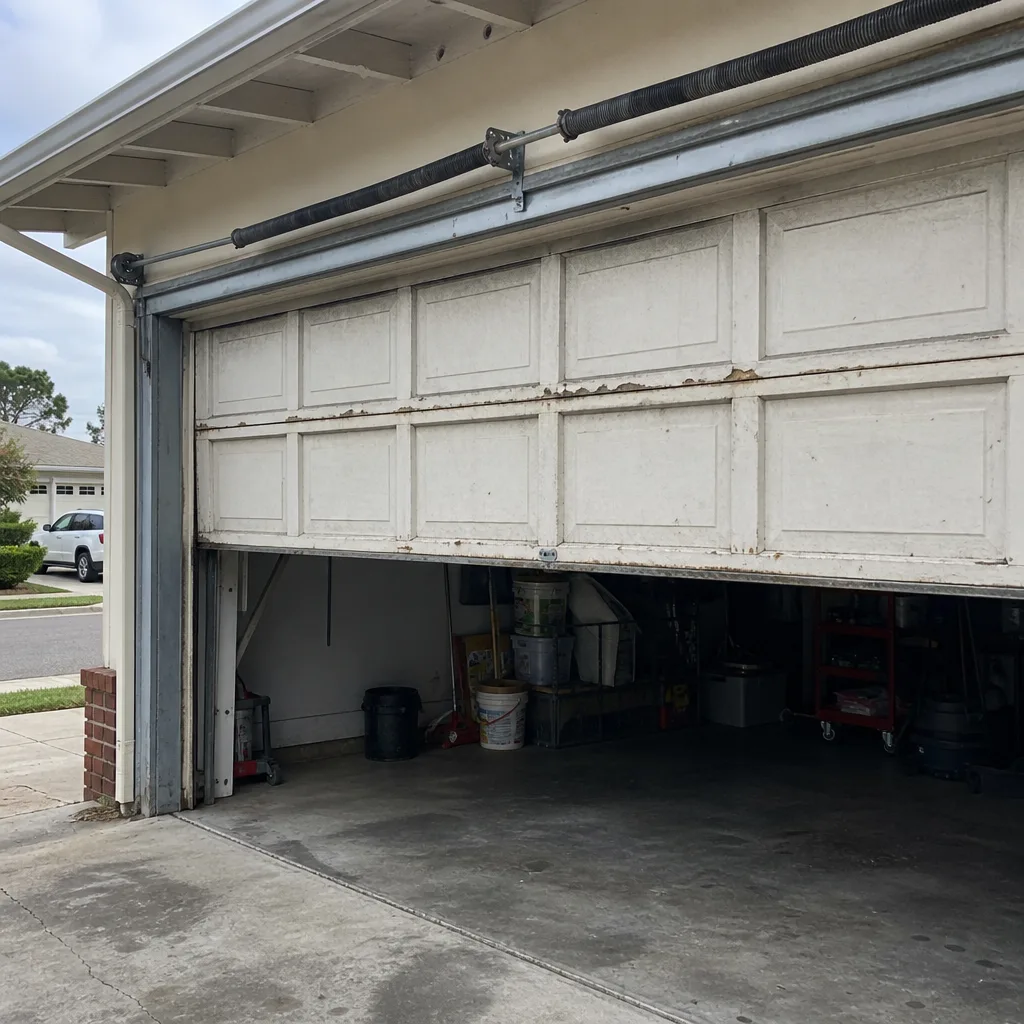 Before
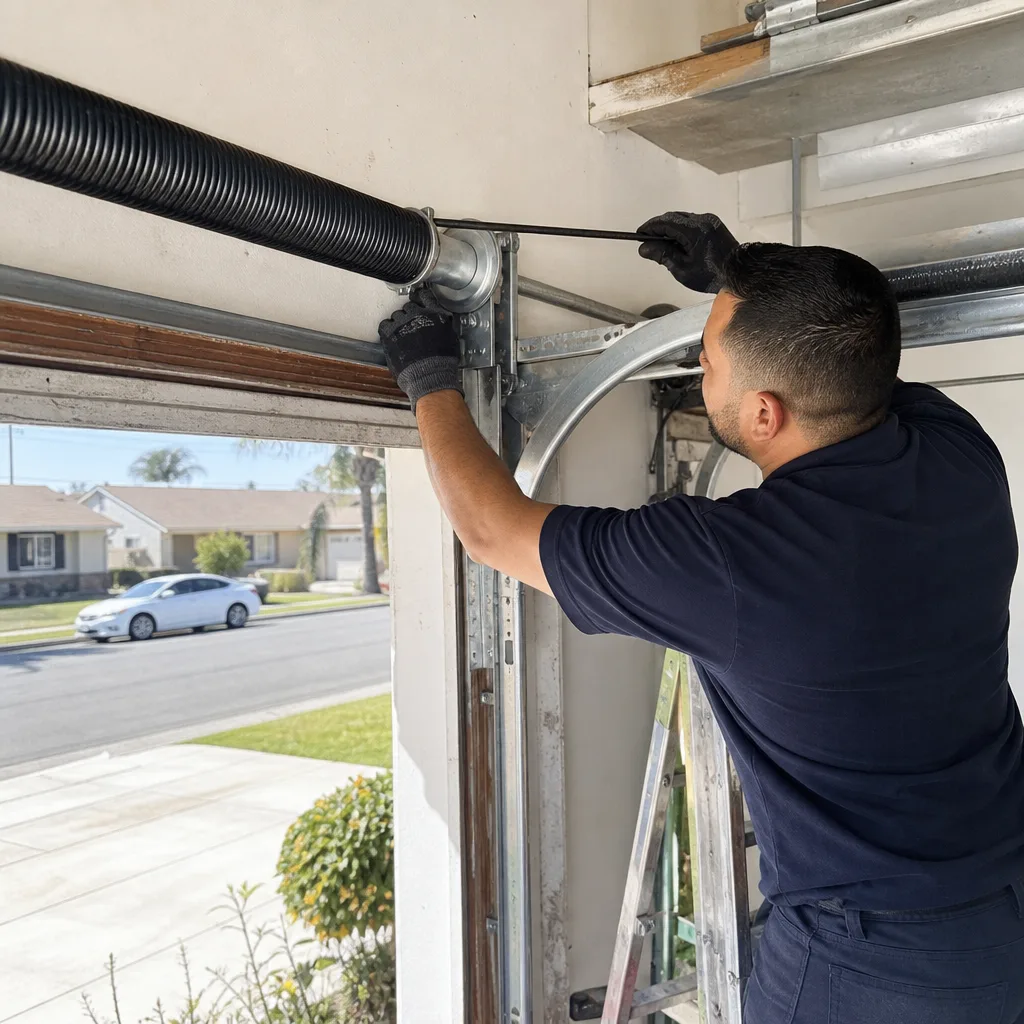 After
After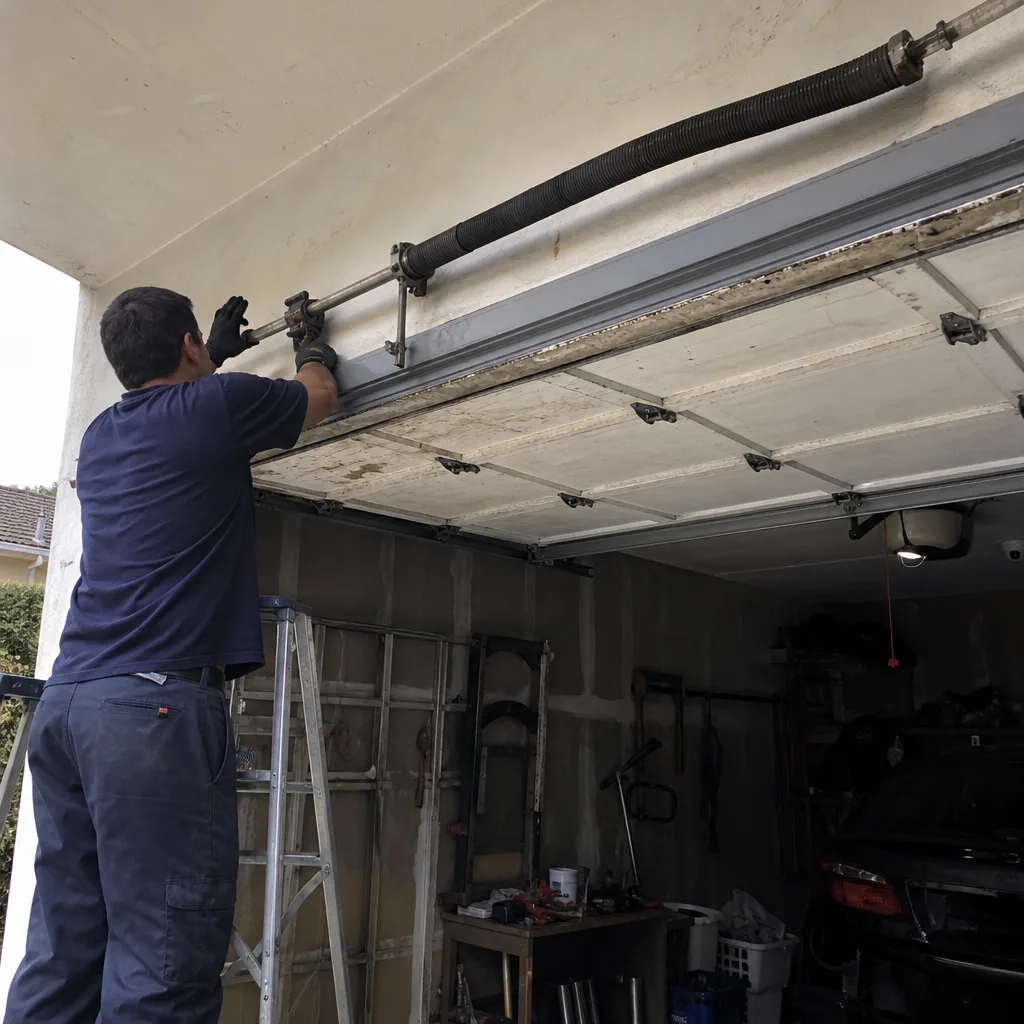 Before
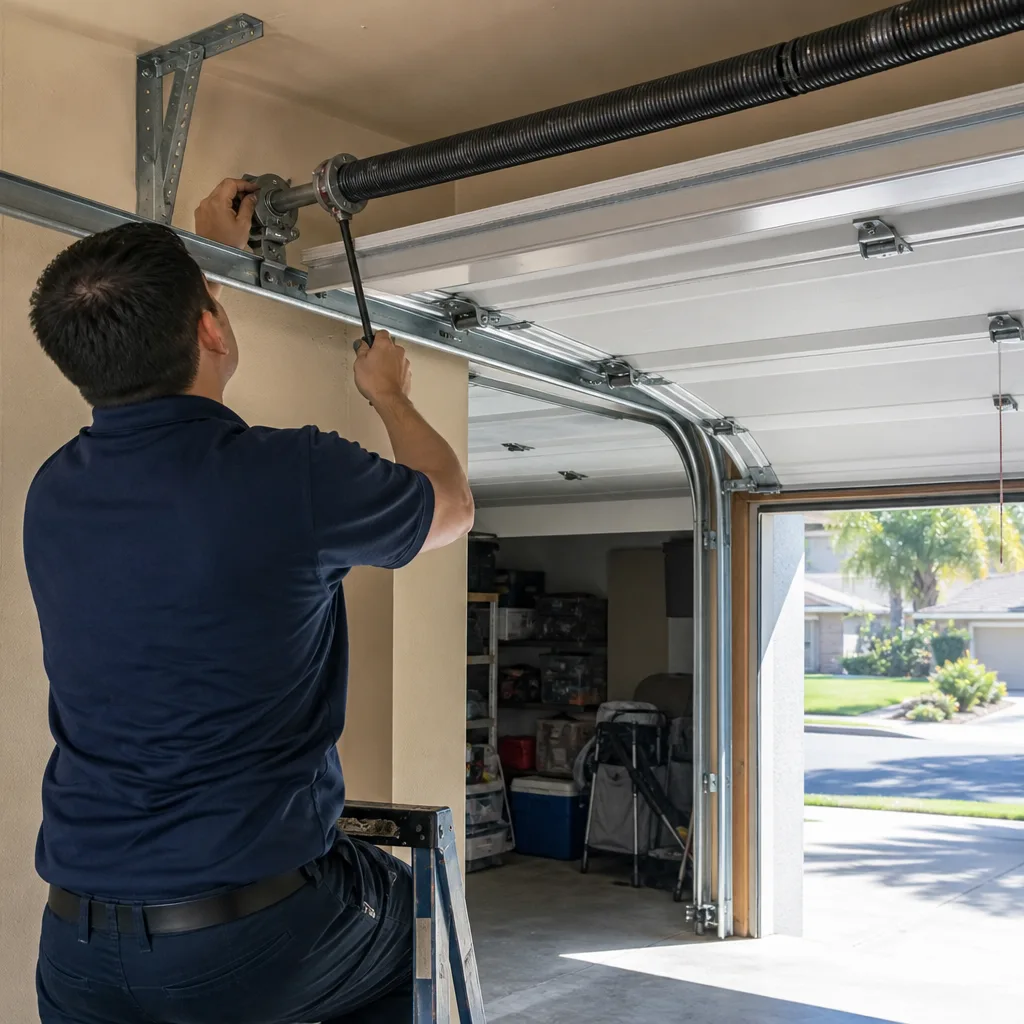 After
AfterRaynor Weather Seal Replacement: The Huntington Beach Owner’s Guide
Raynor weather seal replacement in Huntington Beach typically runs $85 to $160 installed, and we stock Raynor-compatible seals on the truck, so most swaps happen the same day. The quick answer: we match your specific Raynor model, pull the old T-end or retainer-style seal, install the replacement, and hand you a photo record of the work before we leave. Most homeowners don’t discover the seal has failed until daylight shows under the door, or the garage starts smelling like the alley after a rainstorm off the coast. In Huntington Beach, salt-laced air near the water compounds the usual wear, so seals here fail a year or two earlier than the same seal would in Brea or Fountain Valley.
This is a high-purchase-intent page because the seal is one of those parts that quietly dies: no dramatic failure, just a slow decline in fit, warmth, and cleanliness. By the time you notice a damp floor or debris blown in off your driveway, the seal has likely been compromised for months. We’ll walk through exactly what to check, what the replacement costs in Huntington Beach, and when it makes sense to call us instead of fussing with it yourself.
Key Takeaways
- Installed Raynor weather seal replacement in Huntington Beach: $85-$160, parts and labor included, written price before any work starts.
- We carry Raynor-compatible seals in the common sizes; most replacements are done in one visit.
- Salt air in Huntington Harbour and offshore neighborhoods shortens seal life by one to two years compared to inland Orange County.
- Every replacement closes with a documented photo record showing the old seal, the new seal, and the finished fit.
Which Raynor Models This Applies To
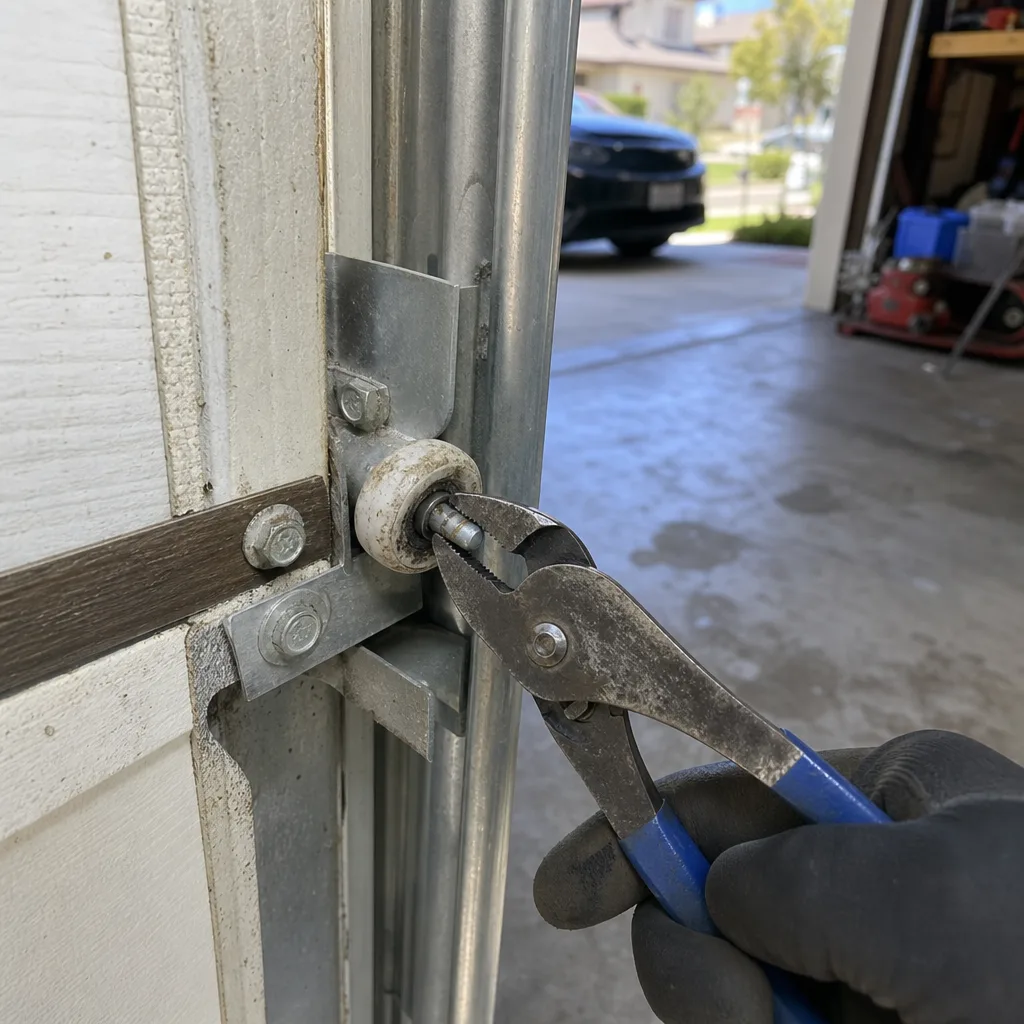
Most Raynor residential doors built since the mid-1990s use one of two weather seal retention methods. The older and more forgiving is the T-end seal: the seal has a T-shaped top that presses into a matching slot on the bottom of the door. The newer Raynor models, particularly the Aspen, Signature, and some of the value-line doors made after 2010, use a retainer system: an aluminum channel bolts to the bottom panel and the seal slides into that channel from the end. The model label on the inside of the door panel or on the lock rail will tell you which family you’re in, but honestly, the bottom edge of the door tells the same story in less time. If you see a screw-on aluminum track, it’s a retainer. If the seal tucks directly into the steel, it’s a T-end.
Raynor’s proprietary P-450 and P-500 seal profiles are odd ducks: the T-end is slightly wider than the industry-standard Clopay and Amarr equivalent, and a universal seal will feel loose in the slot and then fall out altogether within a year. We use Raynor-profile seals for Raynor doors rather than forcing a generic fit. Independent providers like us aren’t affiliated with Raynor; we simply keep the correct profiles in stock because Huntington Beach has enough Raynor doors in service that driving back to a supply house in Santa Ana for the right profile costs the customer an hour and a second visit. Click here to reach our parts desk with your door’s model name.
Aftermarket T-end and retainer seals from reputable manufacturers run $18 to $45 for residential sizes and hold up fine in this climate. The OEM Raynor-branded seal is $30 to $60 on average and doesn’t necessarily outlast a good aftermarket strip. The material matters more than the branding: look for EPDM rubber rather than PVC. EPDM handles the salt, UV, and temperature swings off the Pacific better, and it stays flexible at the low end. PVC stiffens in the cold and cracks within two to three seasons on west-facing doors in Huntington Beach.
If you’re unsure which profile your door uses, snap a photo of the bottom edge where the seal is loose and call us at (657) 256-6126. Marcus Deller has matched enough Raynor profiles sitting in driveways around Huntington Harbour to identify the seal from a single picture, usually without a service visit.
BeforeAfterSigns Your Raynor Weather Seal Replacement Is Failing
- Daylight bleeding under the door – The most reliable tell. With the door fully lowered, walk to the back of the garage and look toward the street. If you see a sliver of light anywhere along the bottom run, the seal has compressed, flattened, or lost contact with the concrete. The fix is replacement, not adjustment.
- Damp concrete after rain or morning humidity – A failed seal lets brackish moisture wick in under the door. In Huntington Beach’s marine layer mornings, that dampness lingers and eventually warps the bottom of stored items or rusts tool cabinets near the door.
- Windblown debris inside the garage – Leaves, sand, and the fine grit that blows off the beach collect in the corners near the door. That debris didn’t get there with a functioning seal.
- A seal that’s cracked, flattened, or shredded at the ends – EPDM eventually takes a set and stops rebounding. The corners fail first because that’s where the seal flexes most against the slab. If the rubber no longer springs back when you press it, it’s done.
- Rust or corrosion where the seal meets the retainer – Salt air accelerates corrosion on the aluminum retainer itself, especially in Seal Beach and Huntington Harbour homes within a mile of the water. We’ve replaced retainers that were more powder than aluminum, and it’s a straightforward addition to the weather seal replacement once we see it.
Replacement Cost & What’s Included
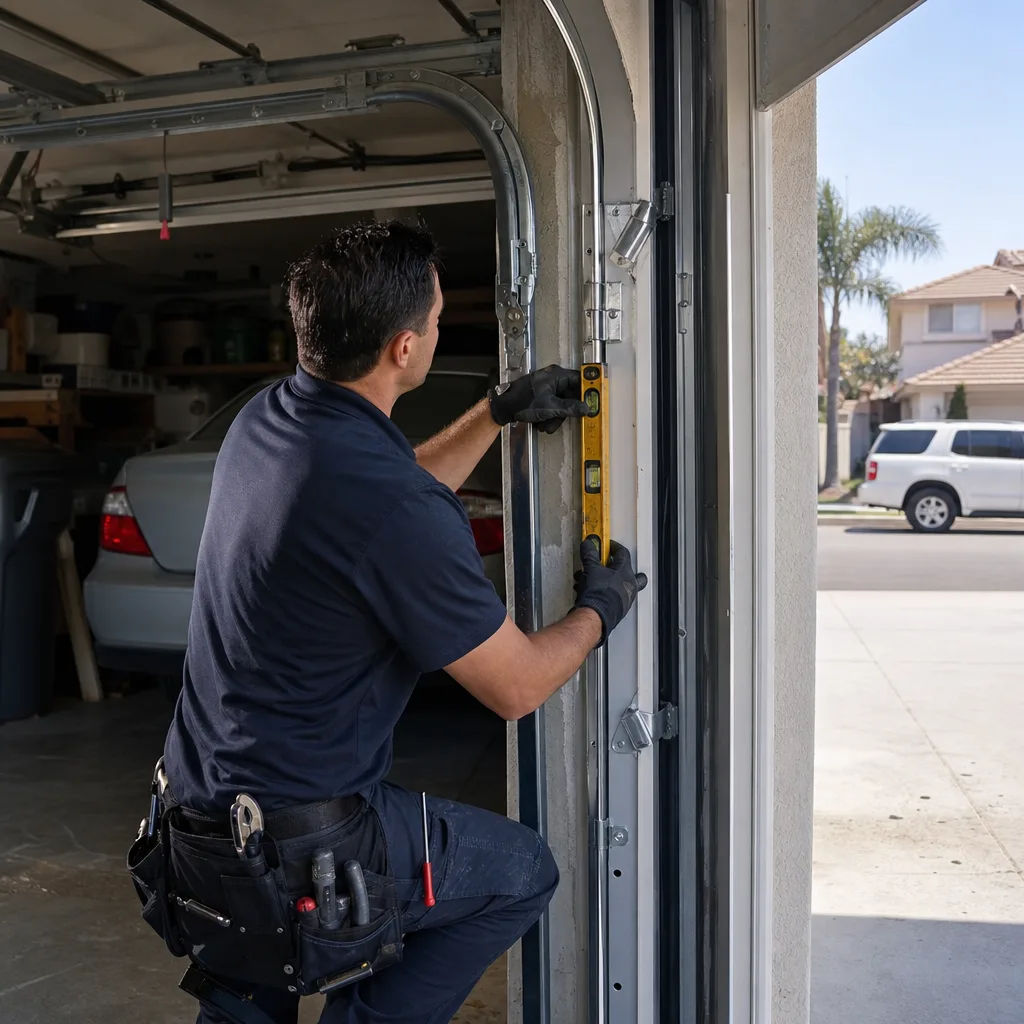
A Raynor weather seal replacement in Huntington Beach runs $85 to $160 installed, parts and labor. That range covers common residential widths up to 18 feet. Wider custom doors, or jobs in Huntington Harbour where the salt has eaten through the retainer channel as well, push toward the top end because the retainer itself must be replaced along with the seal.
The price you’re quoted is the price you pay; we don’t discover a “hidden issue” after the fact and pad the invoice. Clause 1 of The Haven Standard means a flat, written price and a written scope before any work starts. No exceptions, no surprise add-ons. When we hand you the quote, you’ll see the part line, the labor number, and the total, and that’s what the invoice shows when we’re done.
Every Raynor weather seal replacement includes the new seal, removal of the old one, cleaning of the retainer channel, installation, and a test cycle to confirm the door seals evenly. You also get our documented photo record showing the failed seal in place before we touch it, the new seal installed, and the final fit. That’s Clause 4 of The Haven Standard applied to a job a lot of companies treat as too small to document.
The replacement carries our 365-Day Done Right Promise: if the seal fails inside a year or the fit isn’t right, we make it right. No prorated formulas, no arguing about beach weather. We fix it.
DIY or Call Us?
Weather seal replacement on a Raynor door is one of the few garage door tasks that doesn’t involve high-tension components. There’s no spring danger here; this is a bottom-edge part, and you can safely inspect it, photograph it, and clean the channel if you’re so inclined. The reason most DIY attempts go sideways comes down to one thing: profile mismatch. If you buy a universal seal from a big-box store, it won’t seat correctly in a Raynor T-end slot or retainer channel, and it’ll start falling out within weeks.
For a retainer-style Raynor door, the job involves unscrewing the end stops, sliding out the old seal, fighting the new one in without kinking it, and re-securing the stops. Owners do it and succeed. Just as often, we get called after the first attempt because the seal binds halfway through the channel or the lip doesn’t seat. Our work is warrantied and photographed; if it’s not right, call it and we’ll return.
If you’d rather we handle it, call (657) 256-6126 and we’ll quote the swap over the phone, send a uniformed technician, and have the seal replaced the same visit. Written price before we start, documentary photo record when we finish.
FAQs
In Huntington Beach, a quality EPDM seal on a Raynor door typically lasts 5 to 7 years, but homes in Huntington Harbour or within a mile of the coast often see 4 to 5 years because salt and UV attack the rubber faster there. Inland neighborhoods like Goldenwest or Bolsa Chica get a year or two more on average. The lifespan difference is real, not guesswork; we see the same model door, same seal material, visibly different failure times based on distance from the water.
Generally no; once EPDM has flattened, cracked, or torn, patching it with adhesive or caulk won’t survive a season, especially with Huntington Beach’s salt and sun load. The seal is a wear item, meant to be replaced when it’s done. Every once in a while a retainer screw has loosened and the seal just needs to be re-seated, and we’ll tell you that if it’s true, because a called-out repair that isn’t needed is just a future headache for both of us.
A straightforward Raynor weather seal replacement takes 30 to 45 minutes on site. When the retainer channel itself is corroded and needs replacement too, figure an hour to 90 minutes. We’ll tell you which situation you’re in before we touch the door, and the quote accounts for it.
We keep Raynor T-end and retainer profiles in the common widths on the truck, plus aftermarket EPDM equivalents for the P-450 and P-500 profiles. For most Huntington Beach service calls, we arrive with the right seal and complete the replacement in one visit. We also stock parts for LiftMaster, Chamberlain, and Genie openers, so if you’ve got a secondary issue we can usually address it in the same trip. Call (657) 256-6126 and we’ll confirm what you need before we roll out.
Written by Marcus Deller, Owner, Servo Garage Doors Huntington Beach at Servo Garage Doors Huntington Beach, serving Huntington Beach and nearby areas.