
Last updated September 19, 2026
Full 25-point door and opener safety check with every visit - springs, cables, rollers, tracks, and your LiftMaster or Chamberlain opener included
You get a price before we start. It does not change when the truck arrives.
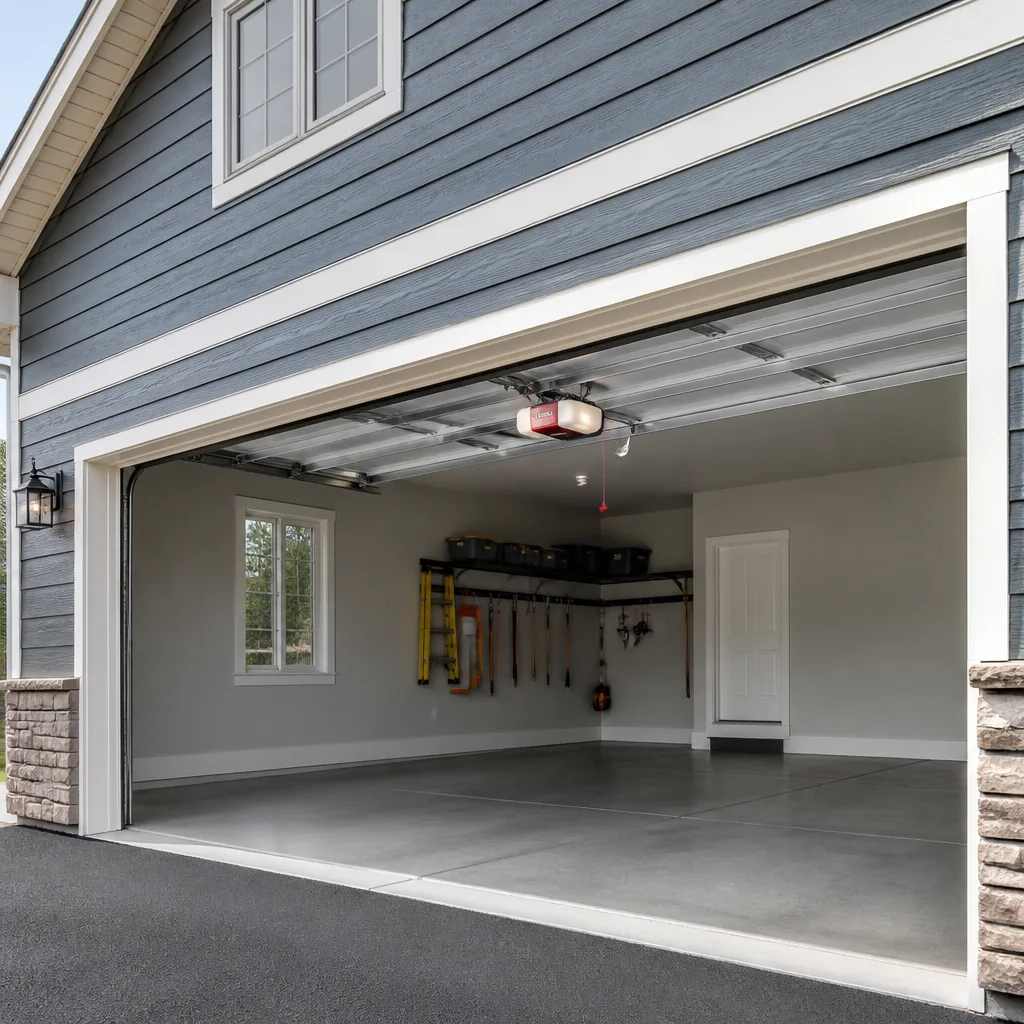
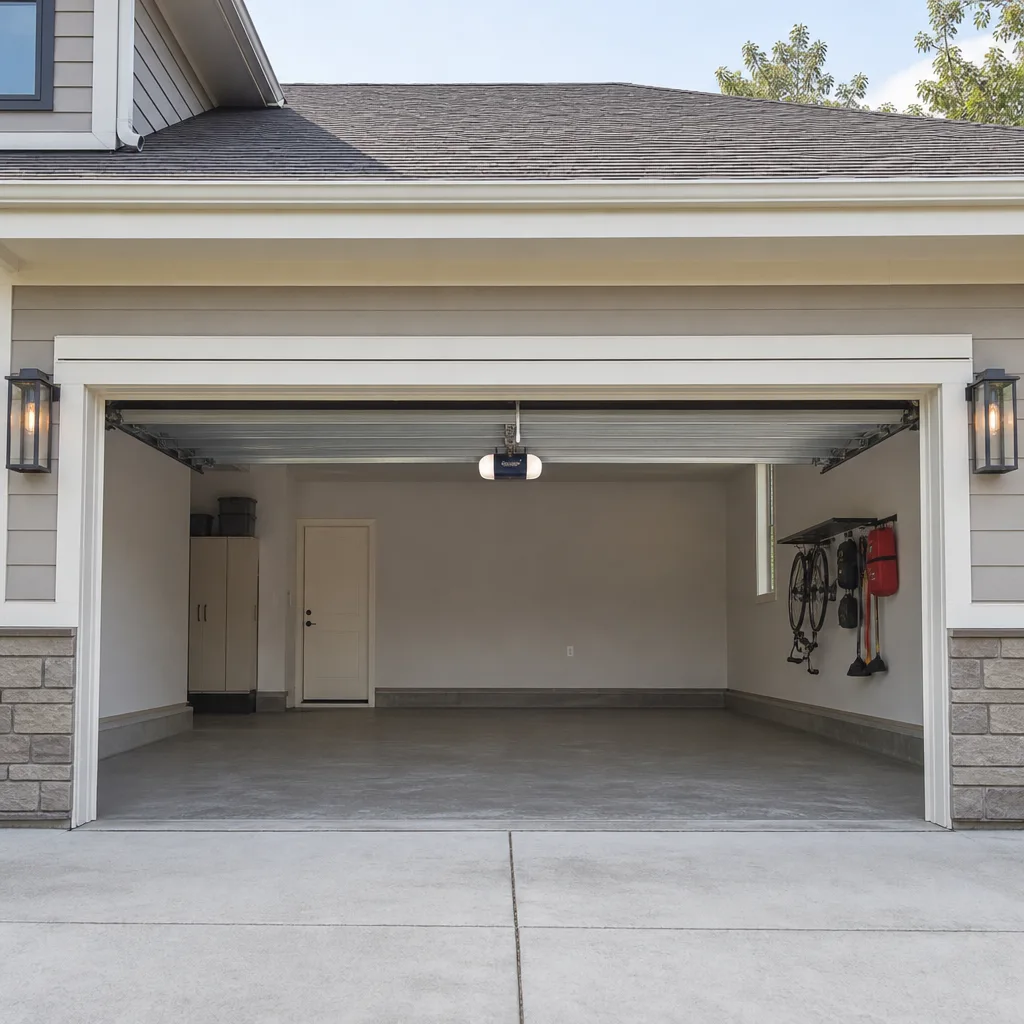
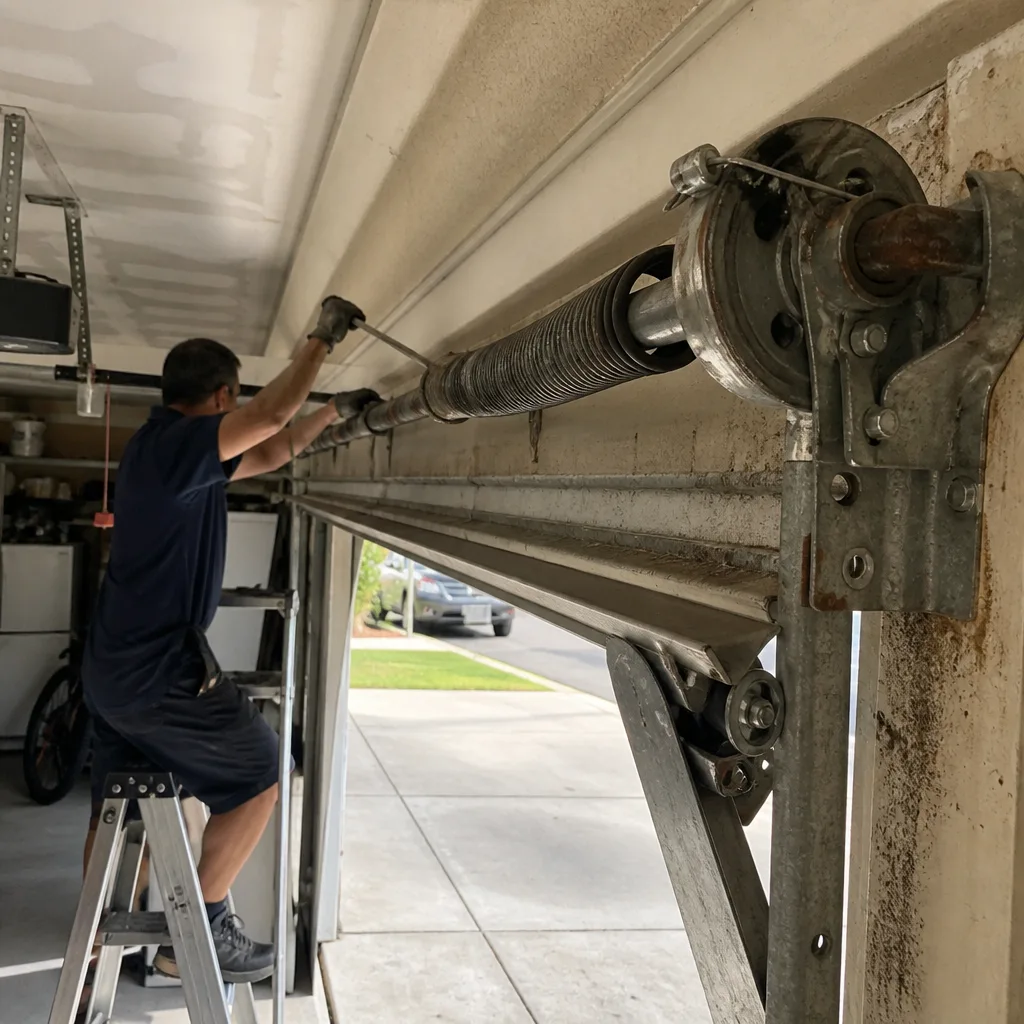 Before
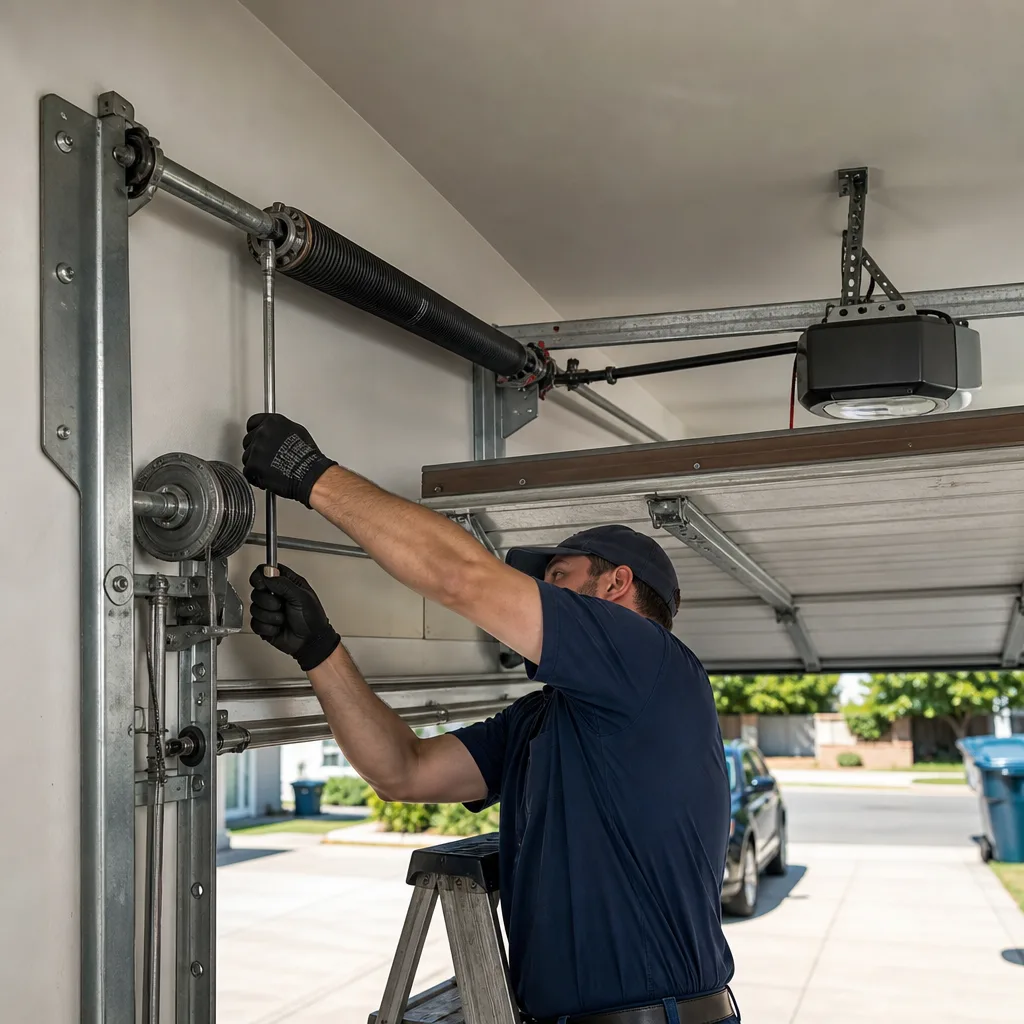 After
After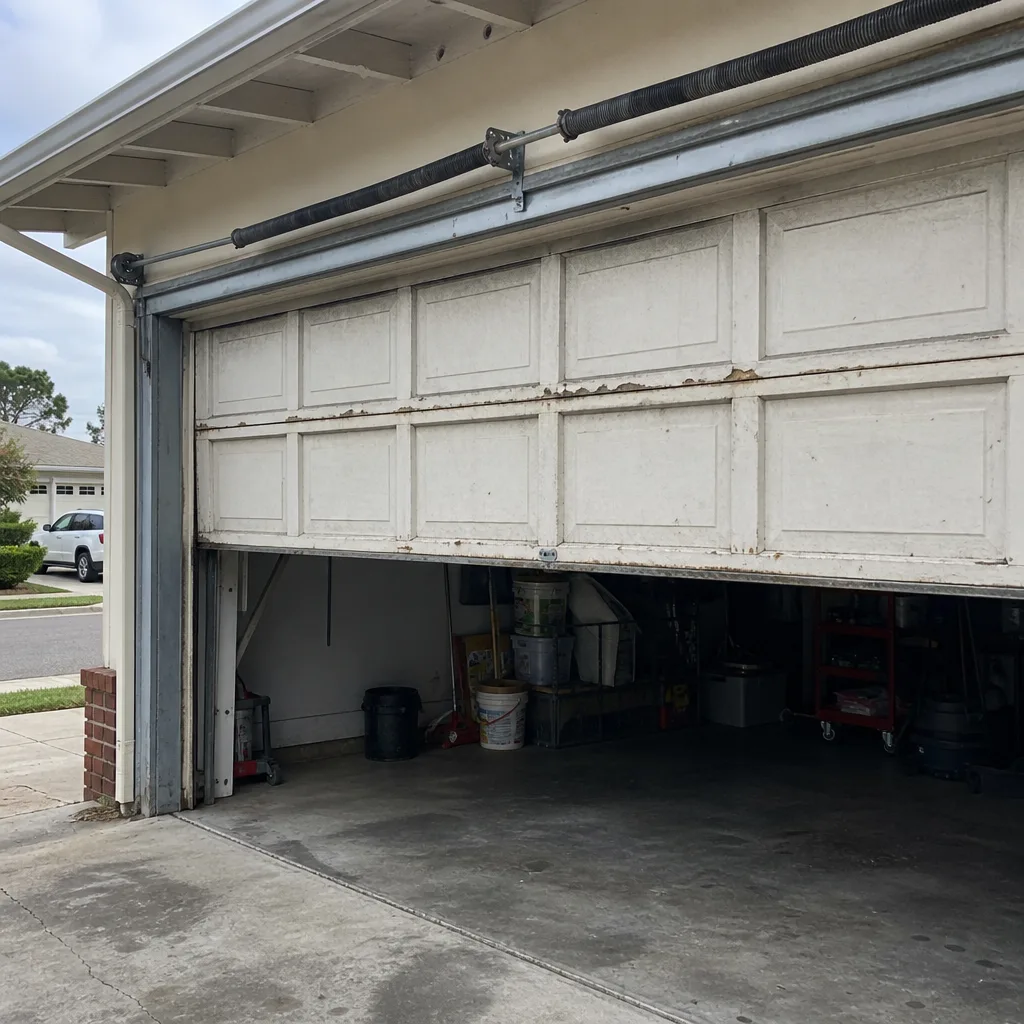 Before
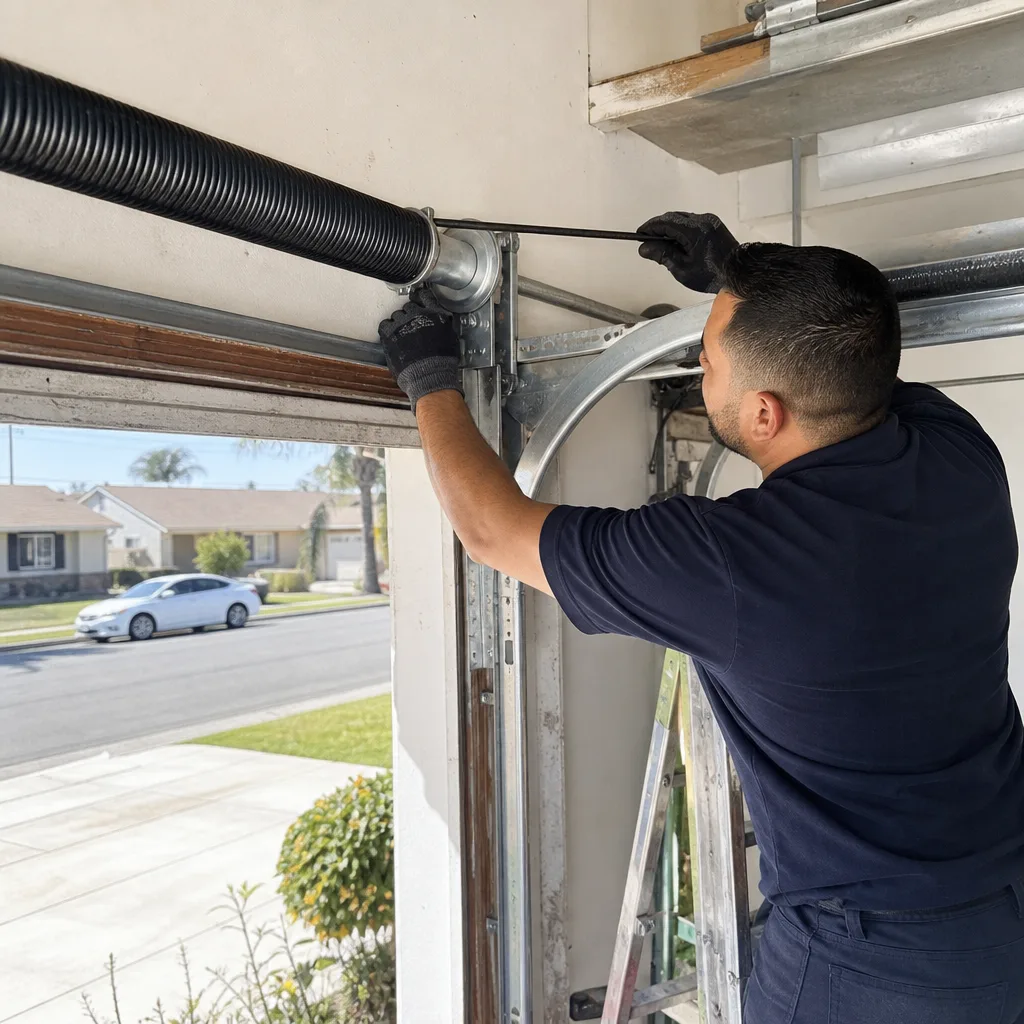 After
After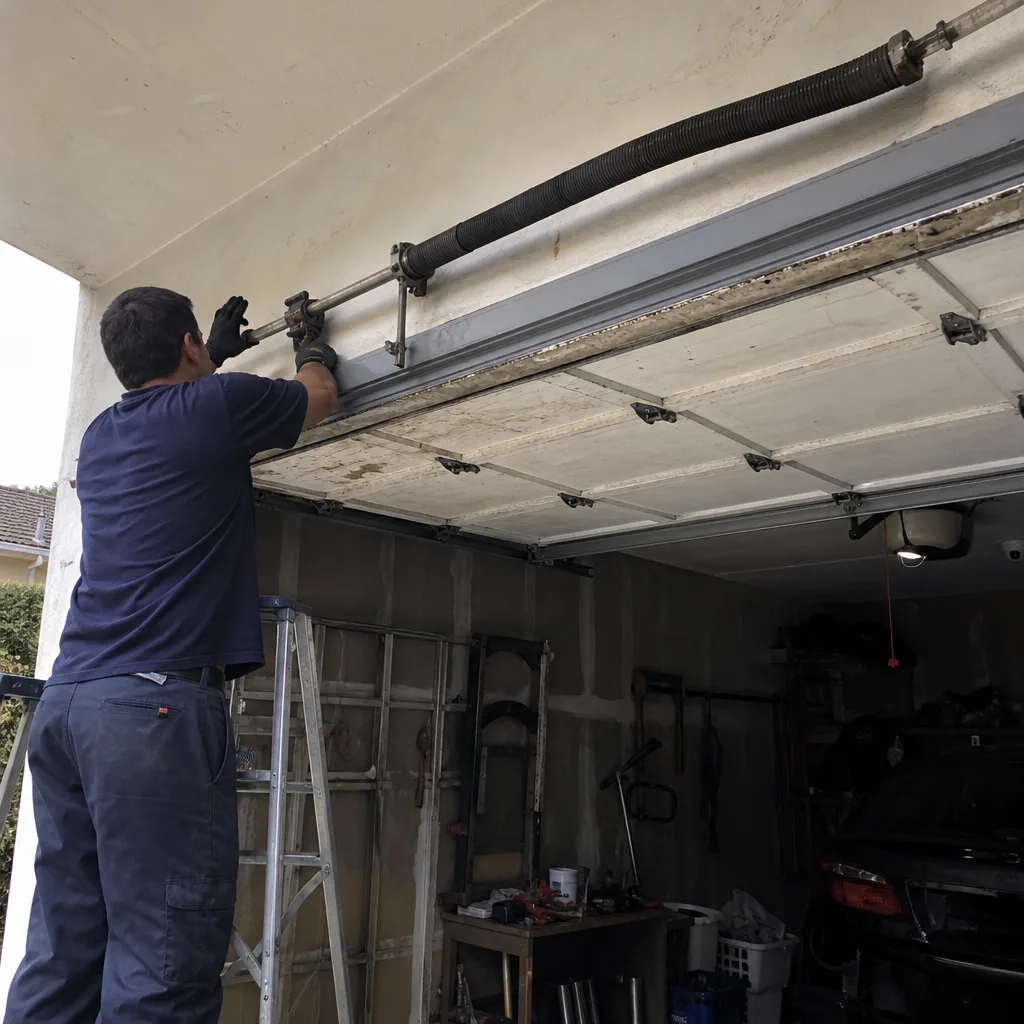 Before
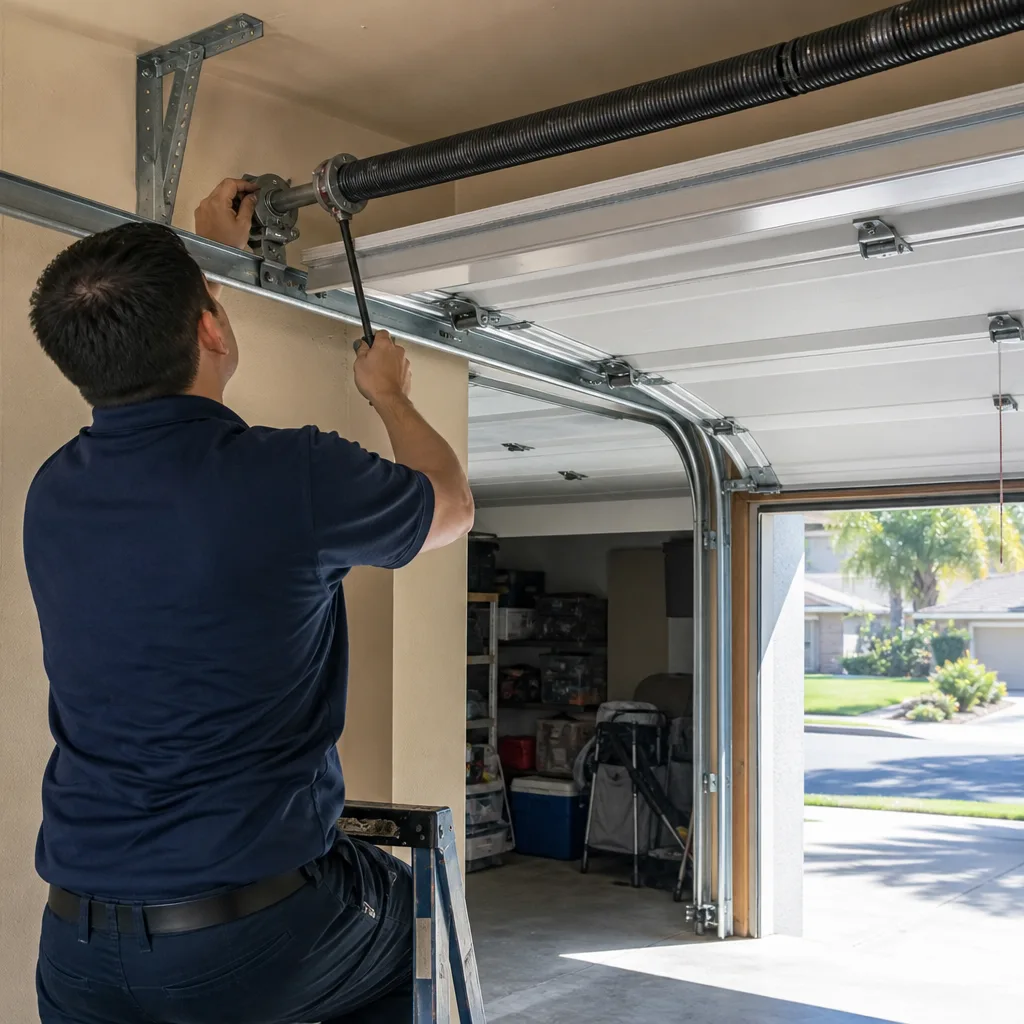 After
AfterGarage Door Repair Maintenance Checklist for Huntington Beach Homeowners
Here’s the number most Huntington Beach homeowners never hear at point of sale: a torsion spring rated for 10,000 cycles in Riverside or Anaheim typically shows measurable corrosion pitting at 18 to 24 months when it’s installed three blocks from Pacific Coast Highway. We’ve pulled springs off Huntington Harbour doors that looked ten years old after two, because nobody told the original buyer that marine fog pushes salt particulate into the coil gap every single morning from May through July. This Garage Door Warning Signs: A Huntington Beach Homeowner’s Reference Guide is not a seasonal calendar borrowed from inland climates. It’s built around the actual failure sequence we’ve documented in coastal Orange County since 2015, and it will teach you exactly what to inspect, what to photograph, what to lubricate, and what to leave alone.
Quick Answer
A Huntington Beach garage door maintenance checklist should run on a 90-day inspection rhythm, not a seasonal one, because salt-air corrosion and marine-layer thermal cycling degrade springs, cables, and rollers faster than inland conditions. The core tasks are: photograph every major component on a dated baseline, inspect springs and cables for corrosion pitting and fraying, lubricate hinges and rollers with lithium-based grease every 90 days (monthly during summer dry months), test the auto-reverse and force-sensitivity systems every 60 days, and replace the bottom seal when it shows 1/8-inch compression loss or visible cracking. Homeowners who document each inspection with photos can compare future wear against a baseline instead of guessing what “normal” looks like.
Table of Contents
- The HB Inspection Sequence: Part-by-Part, With Visual Indicators
- The Lubrication Schedule Calibrated for Huntington Beach Salt Air
- How to Document Each Inspection With Dated Photos
- The Bottom Seal and Threshold Gasket: Beach Sand Intrusion
- Auto-Reverse and Force-Sensitivity Tests: The Two Safety Checks That Matter
- The Coastal Failure Sequence: What Breaks First in HB and Why
- What Neglect Actually Costs in Huntington Beach
BeforeAfterThe HB Inspection Sequence: Part-by-Part, With Visual Indicators
Every inspection should follow the same order, because each component’s failure loads the next one downstream. Start at the spring, move to cables, then rollers, hinges, track, and finally the bottom seal. Here is what we look for on every Huntington Beach door, and the specific visual indicator that tells you whether to monitor or replace now.
1. Torsion Springs
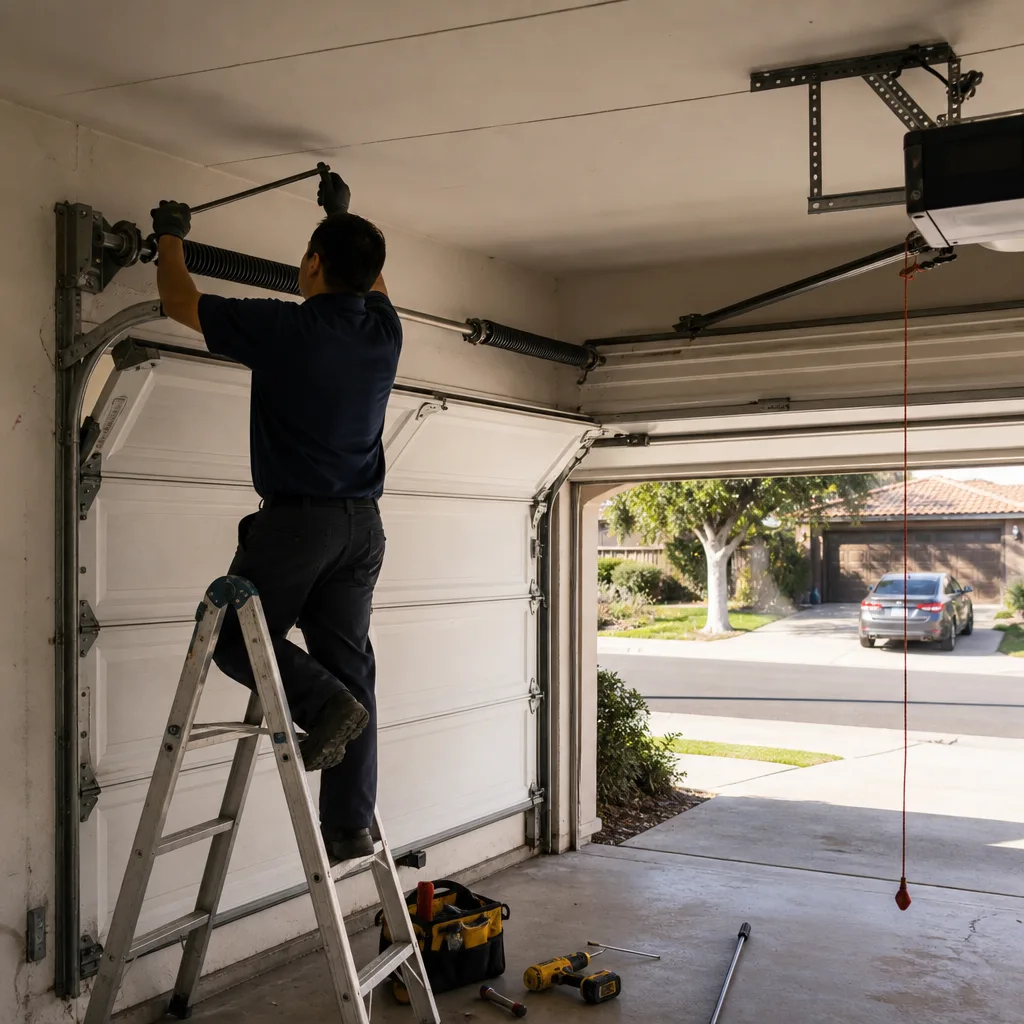
The torsion spring is the coiled steel component mounted horizontally above the door opening. It stores the lifting force that makes a 150-pound door feel like 12 pounds. In Huntington Beach, the failure indicator you’re looking for is not just a visible break. It’s corrosion pitting: small rust-colored divots in the coil surface where salt particulate has eaten through the coating. Pitting at 18 to 24 months is common on uncoated springs within two miles of the ocean. Monitor: light surface rust without pitting. Replace now: visible coil gap, a clean break anywhere on the spring, or pitting deeper than the surface coating. A broken torsion spring means the door will not open, and attempting to force it up by hand risks cable derailment and serious injury. This is one component where the repair is never a DIY job: the spring is under hundreds of pounds of tension, and releasing it improperly can cause a spring cone to launch across the garage at lethal speed. If you see a broken spring, close the door if possible, unplug the opener, and call a professional.
2. Lifting Cables
The cables are the steel wires that run from the bottom bracket on each side of the door up to the drum above. They carry the door’s full weight when the spring does its job. The visual indicator for cables is fraying: individual wire strands separating from the main cable body, usually visible within 6 inches of the bottom bracket where salt spray accumulates in the morning marine layer. Monitor: slight surface discoloration, no strand separation. Replace now: any visible fraying, kinks, or a cable that has already jumped off the drum. A frayed cable can snap without warning, and when it does, the door slams down unevenly. We have replaced cables in Huntington Beach doors five years after installation that looked like they’d been through two decades of inland use, solely because the bottom bracket sat in a moisture trap.
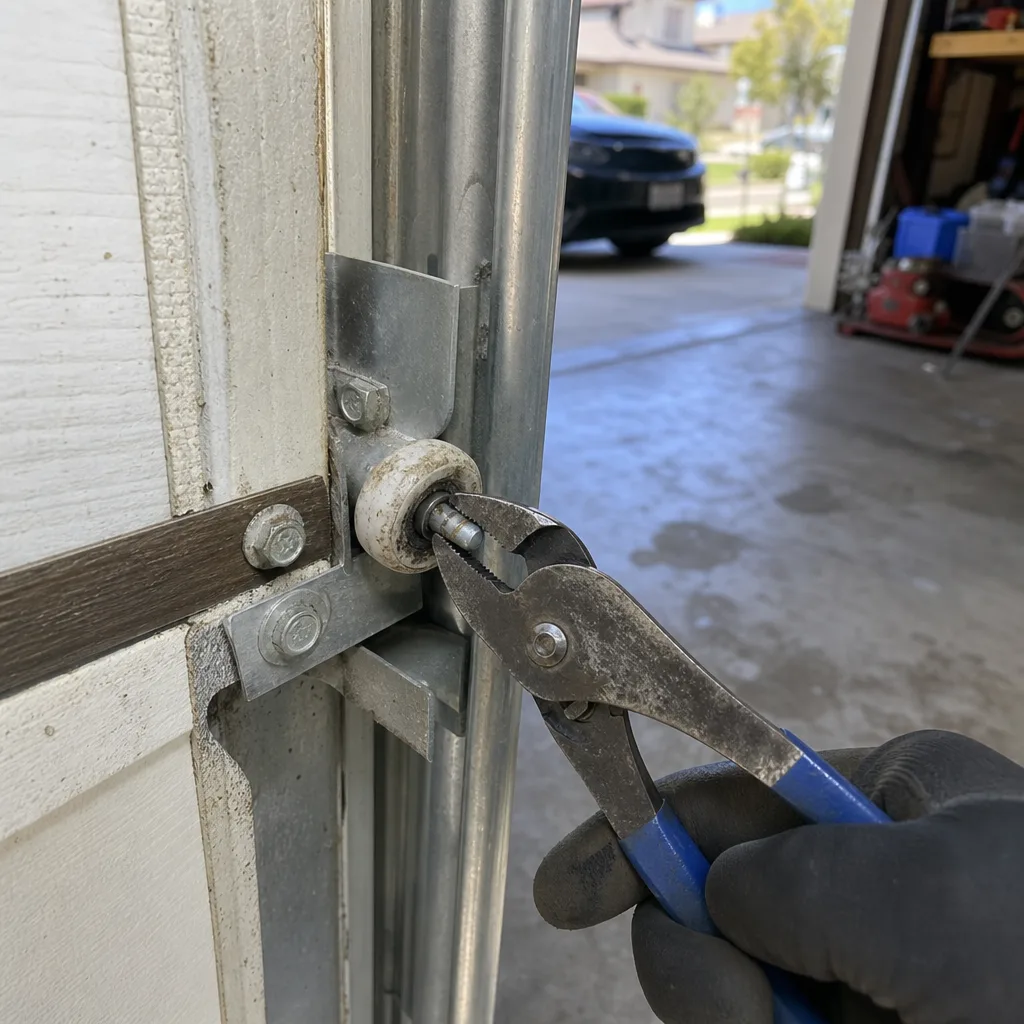
3. Rollers
Rollers are the small wheels that ride inside the vertical and horizontal track. Steel rollers with unsealed bearings fail fastest in Huntington Beach, because the salt air works its way past the bearing shield and seizes the bearing. The visual indicator is wobble or flat spots. Spin each roller by hand with the door in the down position; if it does not spin freely or you can see a flat section on the wheel surface, it is transferring friction into the track. Monitor: minor noise, minor surface wear. Replace now: wobble, flat spots, or a roller that has fallen completely out of the hinge. We recommend nylon rollers with sealed bearings for any HB replacement: they run quieter and the sealed bearing keeps salt out.
4. Hinges
Door hinges connect each panel and house the roller. The failure indicator is elongated hinge pin holes, which appear as a visible gap around the roller stem where the hinge has worn oval. This is far more common in Huntington Beach than inland because the constant thermal expansion and contraction from marine fog mornings to 78-degree afternoons works the hinge material more aggressively. Monitor: surface rust, small amount of play. Replace now: cracks in the hinge body, loose rivets, or a hinge that has separated from the panel.
5. Track
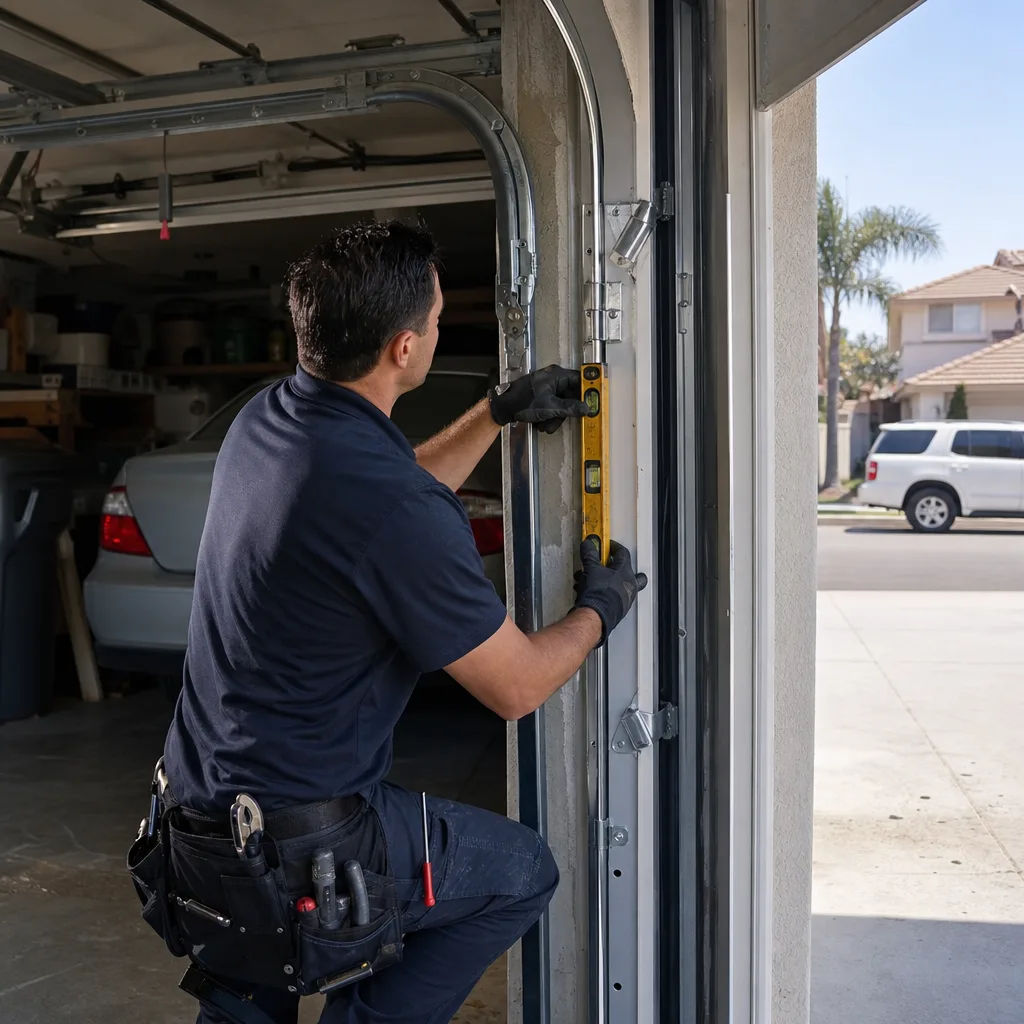
The steel track runs vertical up the sides and horizontal into the garage. The indicator to look for is wear marks or misalignment: a shiny groove where the roller contacts the track, or a visible gap change between track and door as it opens. Sand blown in from the beach mixes with the existing grease on the track and turns into an abrasive paste, which accelerates the wear. Monitor: light scuffing. Replace or realign now: any bend, kink, or a gap between track and door that exceeds 1/4 inch at any point in the cycle.
Before you close the door and walk away, take photos of every one of these components. The next section explains why that step matters more than any other part of this checklist.
The Lubrication Schedule Calibrated for Huntington Beach Salt Air
Every garage door manufacturer recommends lubrication, but almost none of them calibrate it for a marine climate. In Huntington Beach, the interval is not twice a year. It is every 90 days, with a shift to monthly during the summer dry months when offshore winds carry dry salt dust into every exposed surface. Here is the exact schedule and the products that actually hold up.
What to Use
- Lithium-based white grease for hinges, roller bearings, and the torsion spring coil surface. This is the only grease we recommend for Huntington Beach, because it forms a moisture-resistant film that salt air does not break down as quickly as petroleum-based or silicone sprays.
- Silicone spray for the track and any plastic parts, including the weatherstrip and top bracket bushings. Silicone resists the drying effects of salt and sun better than any penetrating oil.
- Do not use WD-40 on any garage door component in Huntington Beach. WD-40 is a solvent first and a lubricant second. It will strip the existing grease off a torsion spring, accelerate corrosion on exposed steel, and leave you with more friction than you started with. If a spring is already pitting, WD-40 will make it worse.
The 90-Day Schedule
- Springs: Apply a thin lithium grease layer along the full coil length, then wipe off excess with a rag. Excess grease traps sand, and sand in the coil gap grinds down the spring wire.
- Hinges: One small dab of lithium grease on each hinge pin, worked back and forth by cycling the door once.
- Rollers: If the bearings are sealed, wipe the roller stem with a dry rag and apply nothing to the sealed bearing. If they are unsealed, a thin lithium coat on the bearing face. This is a 20-minute job for a 10-foot-wide door.
- Track: Wipe the track with a dry rag first, then a light silicone spray. Never grease the track. Grease in a track turns into sand-holding paste in Huntington Beach, and that is what eats rollers.
Seasonal Shift
During May through July, Huntington Beach sits under the marine layer until 10 or 11 in the morning, which means every exposed steel surface gets a daily salt condensation bath. During this period, we shift hinges and springs to a monthly inspection and lubrication cycle. During the fall and winter months, 90 days is adequate unless the door faces west and takes direct salt spray from onshore winds. If you live in Huntington Harbour, Sunset Beach, or anywhere within a half mile of the water, run the monthly schedule year round. If you live east of the 405 near Edison or Seacliff, 90 days is sufficient. We learned this the hard way by pulling springs and cables from both zones and comparing the wear patterns.
How to Document Each Inspection With Dated Photos
A maintenance checklist is worthless three years later if you cannot prove what the door looked like at baseline. This is the single biggest gap we see in every generic garage door maintenance guide: they tell you to “check the spring,” and none of them tell you to photograph it. Our founding rule, codified as Clause 4 of The Haven Standard, is that the customer sees photographic evidence of what was found before any replacement is quoted. We built the company around that principle in 2015 because the industry standard approach was to tell a homeowner “your spring is bad” and expect them to take it on faith.
You should run the same documentation system on your own door. Here is how:
- Use the same camera angle every time. Stand in the same position, frame the same shot. For the torsion spring, stand three feet back from the center of the door opening and shoot straight on. For the cables, squat to knee height and shoot upward at the bottom bracket.
- Date each photo. Your phone already does this in the metadata, but write the date in the filename or keep a simple note with the photo folder. “Spring_2025-06-15” beats “IMG_4821.”
- Photograph the spring coils at a 45-degree angle so the pitting or surface texture is visible. This is the shot that tells you three months later whether the pitting has deepened or stabilized.
- Photograph the bottom seal at floor level from the inside, with the door closed and daylight behind it. This is the baseline for judging compression loss and sand intrusion.
- Store the photos somewhere you’ll actually look at them. A dedicated album in your phone’s photo app is enough. The point is not archival perfection; the point is that when a repair quote arrives, you can pull up the June photo and compare it to what the technician is describing.
We have used customer-baseline photos to settle repair disputes before they started. A homeowner who photographed a healthy spring in March does not need to take our word that a technician’s photo from November shows the same spring with new pitting. The documentation does the persuading. That is the entire philosophy, and it works just as well for homeowners running their own schedule as it does for our technicians on a service call. For an exact reference point on what a healthy component looks like versus a failing one, see our page on Garage Door Repair in Huntington Beach, which includes documented examples from actual service calls.
The Bottom Seal and Threshold Gasket: Beach Sand Intrusion
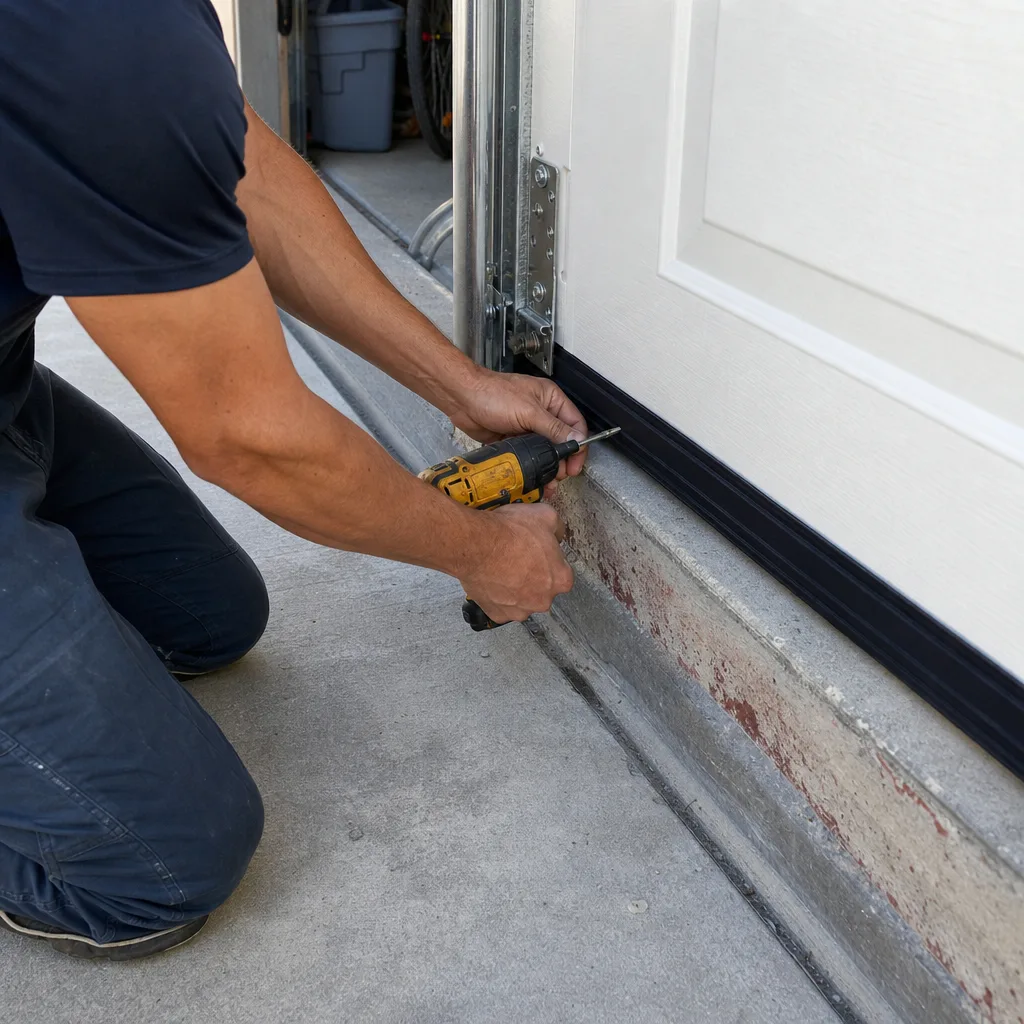
Huntington Beach has a problem that no inland maintenance checklist addresses: wind-blown beach sand. It gets under the garage door through the gap between the bottom seal and the concrete slab, and from there it works its way into the track, the hinges, and the roller bearings. The bottom seal is your first line of defense, and most homeowners in HB have never measured theirs.
How to Inspect the Bottom Seal
Close the door fully and kneel down on the inside. Look for daylight under the seal. In Huntington Beach, wind-driven sand can create gaps in a seal that looked fine three months earlier. The seal is a rubber or vinyl strip that runs the full width of the door bottom, and its job is to compress against the slab and keep the outside out. When it is doing that job, you should see an even compression line where the seal meets the concrete, with no visible gaps.
The Two Measurements That Matter
- Compression loss: If the seal no longer flattens visibly against the slab when the door closes, it has lost its original shape. Measure the gap between the seal and the slab with the door closed. More than 1/8 inch means it is time for a seal replacement, not a “monitor” note.
- Cracking: Run your hand along the seal (with gloves on) and feel for brittle sections or visible cracks. UV exposure and salt air both accelerate the breakdown of rubber and vinyl. A cracked seal will fail completely within one season, and it will take the weather seal above it with it.
Threshold Gasket: The Second Layer
Many Huntington Beach homes also have a threshold gasket: a raised rubber or aluminum threshold mounted on the concrete under the door. If yours does, check it separately. The gasket should sit flush against the slab with no gaps at the corners. Sand will find the corner gap and pile up inside the track within weeks. We have seen doors in the Huntington Beach Tract neighborhoods, where slab settlement from sandy soil is common, develop threshold gaps that let in visible sand piles every time the wind comes up from the south.
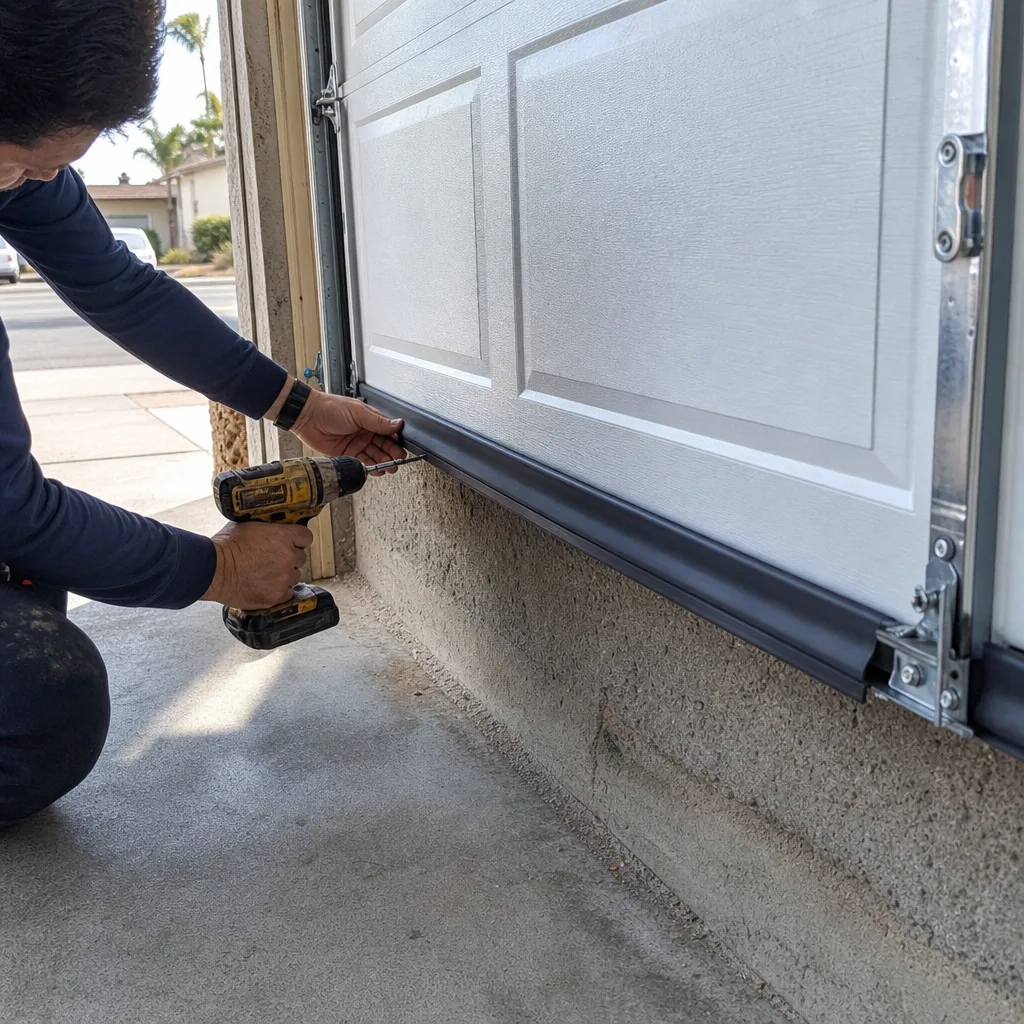
If you replace the bottom seal or threshold, do both at the same time if either one is compromised. A new seal over a failed threshold gives you half a fix. And if you’re already under the door, check the Servo Garage Doors Huntington Beach home page for reference on what a proper seal installation looks like, or run the full inspection cycle top to bottom before you call it done.
Auto-Reverse and Force-Sensitivity Tests: The Two Safety Checks That Matter
Since 1993, federal law has required every garage door opener manufactured for use in the United States to include an auto-reverse mechanism that stops and reverses the door if it hits an obstruction. California law adds force-sensitivity requirements that are stricter than the federal baseline, and Huntington Beach homeowners with older openers often find themselves out of compliance without knowing it. This is not a maintenance nicety. It is the check that protects children, pets, and anyone who walks under the door while it is moving.
Auto-Reverse Test: What Passes, What Fails
- Open the door fully.
- Place a 2×4 flat on the floor directly under the center of the door opening.
- Close the door using the wall button or remote.
- Pass: The door reverses within two seconds of contacting the 2×4 and returns to the open position.
- Fail: The door continues to press down on the 2×4, or reverses slowly and erratically. A door that fails this test can crush a child or pet. Unplug the opener and do not use it until the force settings are adjusted or the opener is replaced.
Force-Sensitivity Test: What Passes, What Fails
This test checks whether the opener is applying too much downward force to close the door, which can indicate a failing spring, a binding track, or a misadjusted force limit. With the door fully open, press the close button and try to stop the door with your hand (keeping your hand flat and ready to pull back). Pass: The door stops or reverses easily with moderate hand pressure. Fail: The door continues to push down hard against your hand. This means the force limit is set too high, and the door will not reverse for an obstruction smaller than a 2×4. A child’s arm is thinner than a 2×4.
We have replaced openers in Huntington Beach homes built in the early 1990s that were never upgraded after the 1993 federal standard went into effect. The homeowner had no idea the opener predated the auto-reverse law. If your opener is older than 1993, or if it has a mechanical force limit dial that has never been adjusted since the previous owner set it, this is not a “monitor” situation. This is a “replace now” situation. Our Garage Door Opener Repair & Installation in Huntington Beach page covers the current opener models and what a compliant installation looks like under current California code, but the short version is this: an opener that fails either test above is a safety liability, not a maintenance item.
The Coastal Failure Sequence: What Breaks First in HB and Why
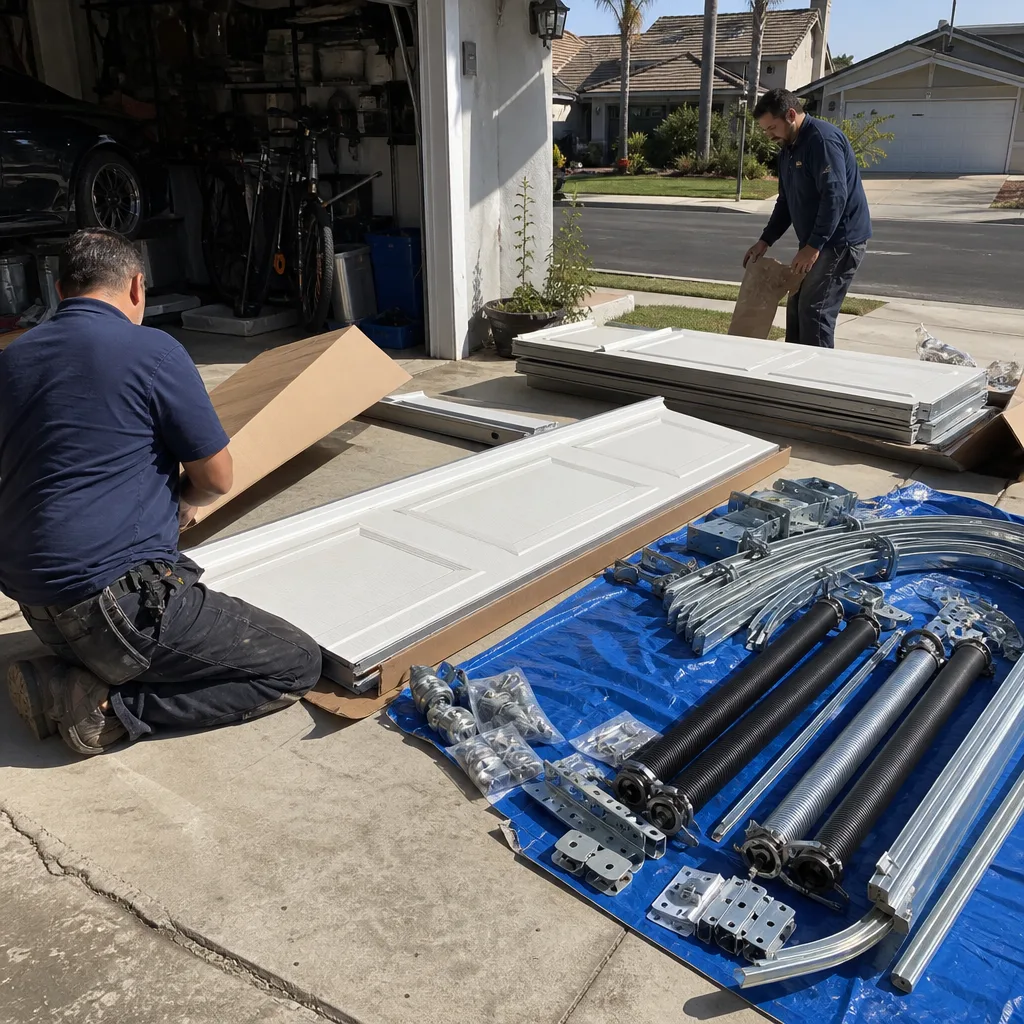
The generic maintenance guide tells you to check springs, cables, rollers, and track as if they wear at the same rate. They do not in Huntington Beach. Here is the actual sequence we have documented across thousands of service calls since 2015, and it is specific to the failure clock that coastal Orange County runs on.
- Bottom seal fails first. Typically at 12 to 18 months on a west-facing door within a mile of the water; 24 to 36 months for east-facing or inland HB. The rubber dries out from salt and UV exposure, loses compression, and lets sand in.
- Rollers follow the seal. Once sand is inside the track, the roller bearings grind it down. A roller that would last 7 years inland fails in 3 to 4 in HB, sometimes sooner if the seal was neglected for a full season.
- Cables fail next. The bottom bracket sits in the sand and salt accumulation zone, and cable fraying begins at that point. We have never seen a cable fail at the top drum first in Huntington Beach. It is always the bottom bracket.
- Springs fail last. Torsion springs in HB typically last 5 to 7 years, not the 7 to 9 quoted for inland installs. But they fail with less warning, because the corrosion pitting weakens the coil internally before the visible break happens. The visible break at 6 years is usually the terminal event of 4 years of invisible pitting.
Here is the Huntington Beach-specific insight: the failure sequence runs bottom-up, not top-down. The bottom seal fails, which lets sand in, which accelerates roller and cable failure, which puts uneven load on the spring, which then fails earlier than its rated cycle life. If you fix the seal early, you push every downstream failure back by years. This is the single most cost-effective maintenance decision you will make on your garage door, and it is the one most Huntington Beach homeowners skip because nobody told them to look down first.
What Neglect Actually Costs in Huntington Beach
A maintenance checklist is not about avoiding inconvenience. It is about avoiding the repair bill that shows up when a small problem becomes a structural one. Here are the line-item costs we quote for Huntington Beach homeowners, based on 2025 service data across the city.
| Repair | Typical HB Range | What It Would Have Cost to Prevent |
|---|---|---|
| Bottom seal replacement | $60 - $120 installed | $20 - $35 for the seal itself, replaced at first cracking |
| Roller replacement (set) | $85 - $180 installed | $12 - $30 per roller, replaced before seized bearings score the track |
| Cable replacement | $125 - $250 including re-tensioning | $30 - $50 for a cable catch replacement if caught at first fraying |
| Torsion spring replacement (set) | $220 - $380 installed | Proper lubrication at 90-day intervals, extending life by 2-3 years |
| Track replacement (bent from jumping a broken cable) | $450 - $900 | $30 - $60 in early cable replacement before the door dropped |
| Full opener replacement after force-sensitivity failure | $350 - $700 installed | Force-limit adjustment at the first hard-close, typically $79 - $120 per visit |
Every one of these prices is a written, flat quote agreed before work starts, per Clause 1 of The Haven Standard. That is not a sales promise; it is the standard we have operated under since Marcus Deller founded the company in 2015, and it means the numbers above are not a bait price that changes when the technician walks inside. What the customer sees on the written scope is what the job costs, and the job does not start until that document is signed. The documented photo record we include on every visit meant the customer walked away with evidence of exactly what was replaced and why.
For a full breakdown of repair costs specific to Huntington Beach, see our page on Garage Door Repair in Huntington Beach. For a comparison of replacement versus repair costs when a door is beyond its service life, our Garage Door Installation in Huntington Beach page covers the full range.
Common Mistakes to Avoid
- Using WD-40 on the spring or track. In Huntington Beach’s salt air, WD-40 strips protective grease and accelerates corrosion. We have pulled springs from HB doors six months after a homeowner sprayed them with WD-40, and the pitting was measurably worse than it was on the baseline photo taken before the spray.
- Lubricating the track instead of wiping it clean. Grease on a track in HB turns into a sand-holding paste within weeks. The track should be wiped with a dry cloth first, then lightly sprayed with silicone. Nothing else.
- Skipping the bottom seal because “it still looks okay.” The bottom seal is the first component to fail in the coastal sequence, and its failure is not a dramatic event. It just quietly stops compressing, and then the sand starts moving in. If you can see daylight under the seal, you have already lost the seal battle.
- Testing the auto-reverse with a person standing under the door. This is how people get hurt. Use a 2×4. Always a 2×4. If the door fails the test, you know without putting anyone at risk.
- Attempting to lubricate or adjust a torsion spring without training. The spring is under hundreds of pounds of tension. One slip with a winding bar can send the spring cone through a wall. This is the component where the right answer is always to call a professional.
- Relying on the opener’s built-in light or sensor to tell you something is wrong. The sensor tells you the door is not closing. It does not tell you why. By the time the sensor trips, the component that caused the problem has usually already been failing for months.
- Running a “winter maintenance” or “spring maintenance” calendar from a generic guide. Huntington Beach does not have that climate. The failure clock here is driven by the marine layer and salt particulate, and that means 90-day inspections, not two checkups a year.
When to Call a Professional
Some components on this checklist are safe for a homeowner to inspect, lubricate, and document. Springs and cables are not. If you need Garage Door Repair, If you see a broken spring, a frayed cable, a track bend, or an opener that fails either of the two safety tests above, stop what you are doing and call a professional. The tension in a torsion spring can cause life-altering injuries if released improperly, and the cable under tension can whip with enough force to take off a finger. We do not give step-by-step repair instructions for springs or cables, and neither should anyone else.
Servo Garage Doors Huntington Beach offers free estimates in Huntington Beach; call (657) 256-6126 and a live person answers, not a recording. Every job starts with a flat, written price and a written scope, per Clause 1 of The Haven Standard, and ends with a documented photo record of everything found and everything done.
Frequently Asked Questions
Every 90 days for homes east of the 405, and monthly during May through July for homes within a half mile of the ocean or facing west into the prevailing wind. Use lithium-based grease on springs and hinges, silicone spray on the track and weatherstrip, and never WD-40 on any component.
A broken torsion spring shows a visible clean break at a coil gap, usually accompanied by a loud bang when it fails. Before the break, you may see corrosion pitting on the coil surface, which in Huntington Beach can appear at 18 to 24 months and indicates the spring is weakening internally. A broken spring means the door will not open, and the repair is never a DIY job.
Torsion spring replacement for a single door typically costs $220 to $380 installed in Huntington Beach, depending on spring size and whether both springs are replaced. Servo Garage Doors quotes a flat, written price before any work starts, so the number on the written estimate is the number you pay. Call (657) 256-6126 for an exact quote.
Yes, a bottom seal replacement on a standard sectional door is a straightforward job for a homeowner with basic tools, typically taking 30 to 45 minutes. The seal itself costs $20 to $35 and slides into the retainer channel on the door bottom. If the retainer is bent or the threshold is also compromised, call a professional for a proper fit.
The summer dry months in Huntington Beach bring offshore winds that carry dry salt dust and sand particles into every exposed surface outside. The increased noise is usually sand working its way into the roller bearings or the track, and a 90-day inspection cycle may need to shift to monthly during May through July for doors closer to the water.
Run the auto-reverse test with a 2×4 on the floor and the force-sensitivity test with your hand against the closing door. If the door reverses within two seconds of contacting the 2×4 and stops easily with moderate hand pressure, the opener passes. If it fails either test, the opener is out of compliance and should be adjusted or replaced. Call (657) 256-6126 for a free estimate if your opener fails.
The Bottom Line
Huntington Beach garage doors fail on a coastal clock, not a national average. The bottom seal goes first, the rollers and cables follow, and the spring fails earlier than its rated life because corrosion was working on it for years before the visible break. The maintenance that actually moves the needle is a 90-day inspection with dated photos, a lithium-based lubrication schedule, and a bottom seal check every single time you wash the car. Document everything, because the photo you took in March is the evidence that protects you in November. For more guides & resources, Servo Garage Doors Huntington Beach has been doing this work since 2015 under The Haven Standard: written price before work starts, documented photo record when the job is done, and a 365-Day Done Right Promise that means if it is not right, we make it right. Call (657) 256-6126 for a free estimate, and we will send a technician who shows you the failed part before quoting a replacement.
Written by Marcus Deller, Owner at Servo Garage Doors Huntington Beach, serving Huntington Beach since 2015.