
Last updated September 19, 2026
Full 25-point door and opener safety check with every visit - springs, cables, rollers, tracks, and your LiftMaster or Chamberlain opener included
You get a price before we start. It does not change when the truck arrives.
 Before
 After
After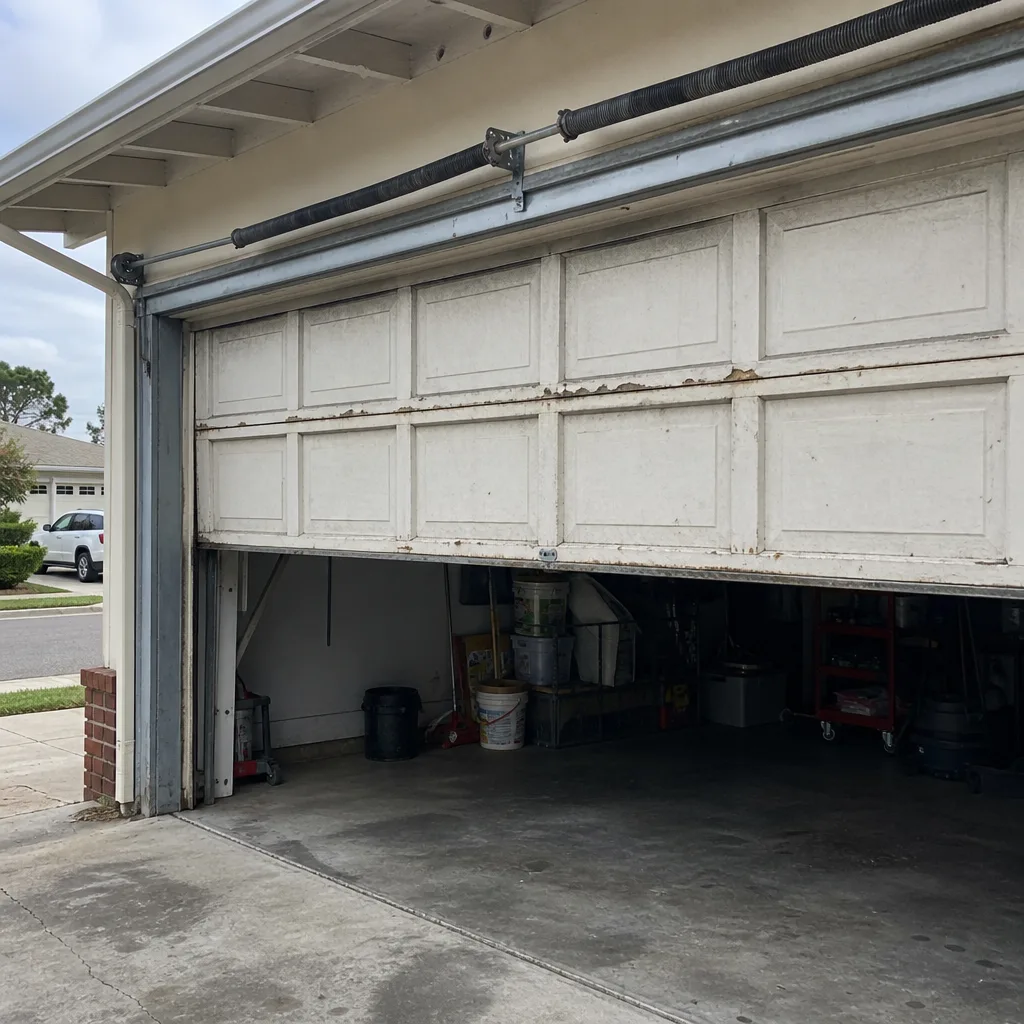 Before
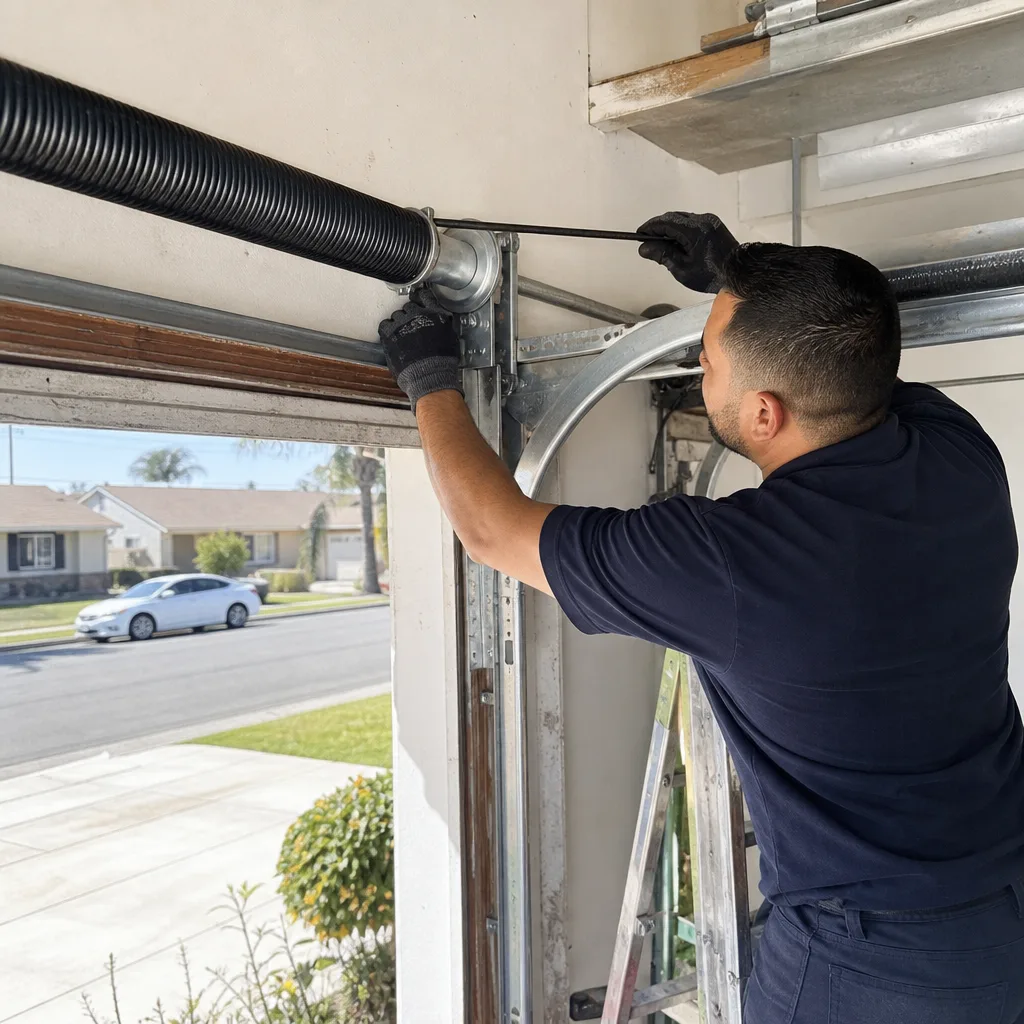 After
After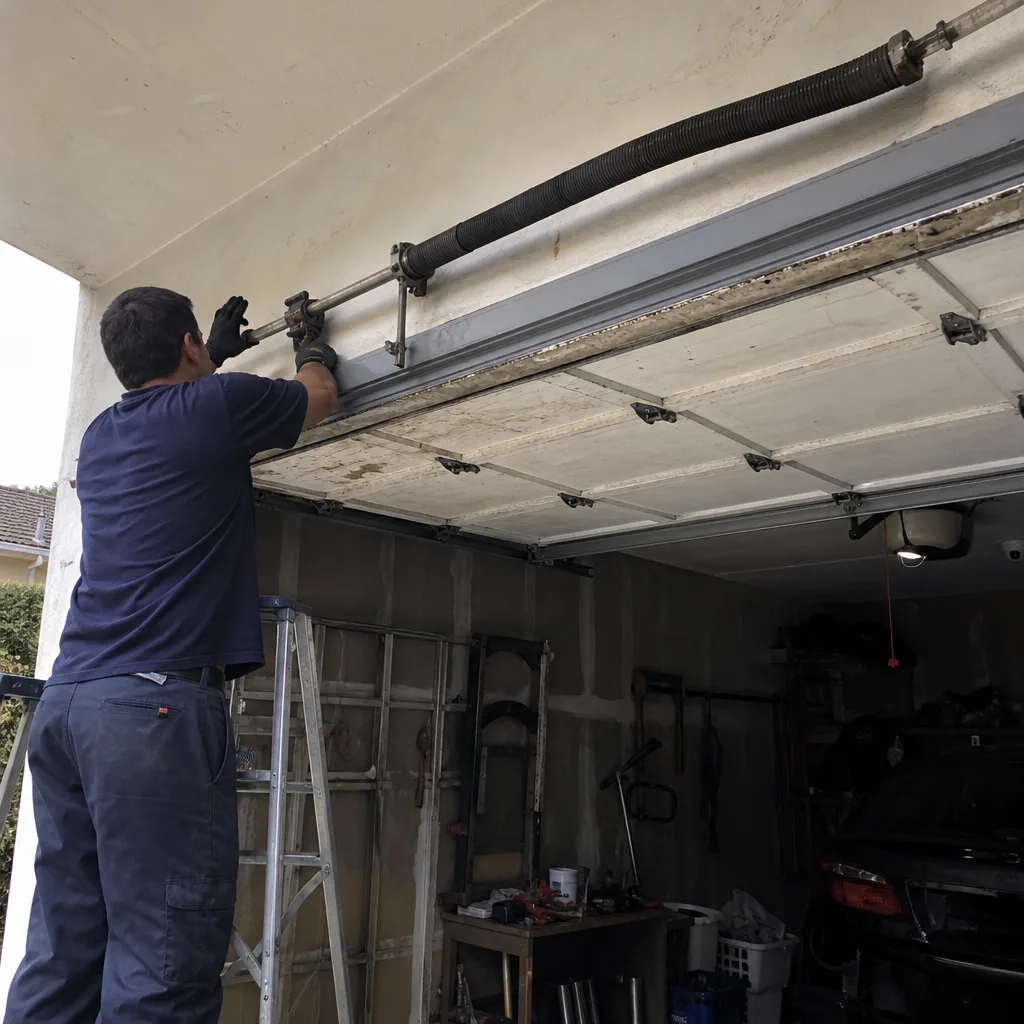 Before
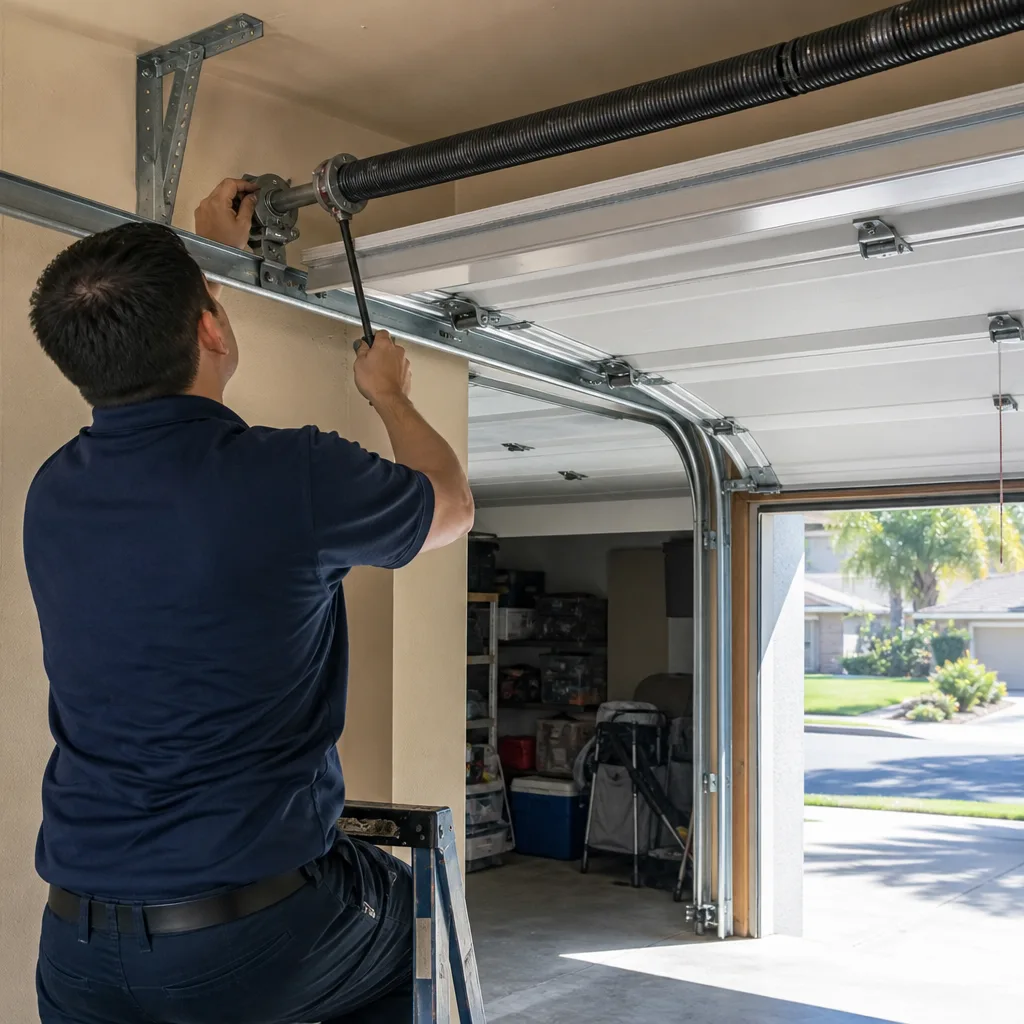 After
AfterGarage Door Permits, Codes & Inspections in CA: What You Need to Know
Here’s a stat that surprises most Huntington Beach homeowners: a standard garage door replacement in California often doesn’t require a permit. But change the opening size, touch the structural header, or install a motorized opener in a jurisdiction that classifies it as a mechanical system, and you’re now doing permitted work. Most contractors know exactly where that line sits and won’t volunteer it, because pulling a permit costs them a scheduling day and exposes their work to an inspector’s eye. This guide maps the actual trigger points, what Huntington Beach adds on top of state code, and what happens when the paperwork is missing and your insurance company or a buyer’s inspector starts asking questions. For related reading, see our Garage Door Warning Signs: A Huntington Beach Homeowner’s Reference Guide.
Quick Answer
In California, a like-for-like garage door replacement on an unchanged opening typically doesn’t require a permit under the California Building Code, but the permit becomes mandatory the moment the opening is resized, the header or structural framing is altered, or a new motorized opener is installed in a jurisdiction like Huntington Beach that reviews openers as mechanical systems. Fire-rated door requirements for attached garages add a second layer that many panel-only replacements miss entirely. If you’re unsure, checking Huntington Beach’s permit portal before work starts is faster than fixing the paperwork after the fact.
Table of Contents
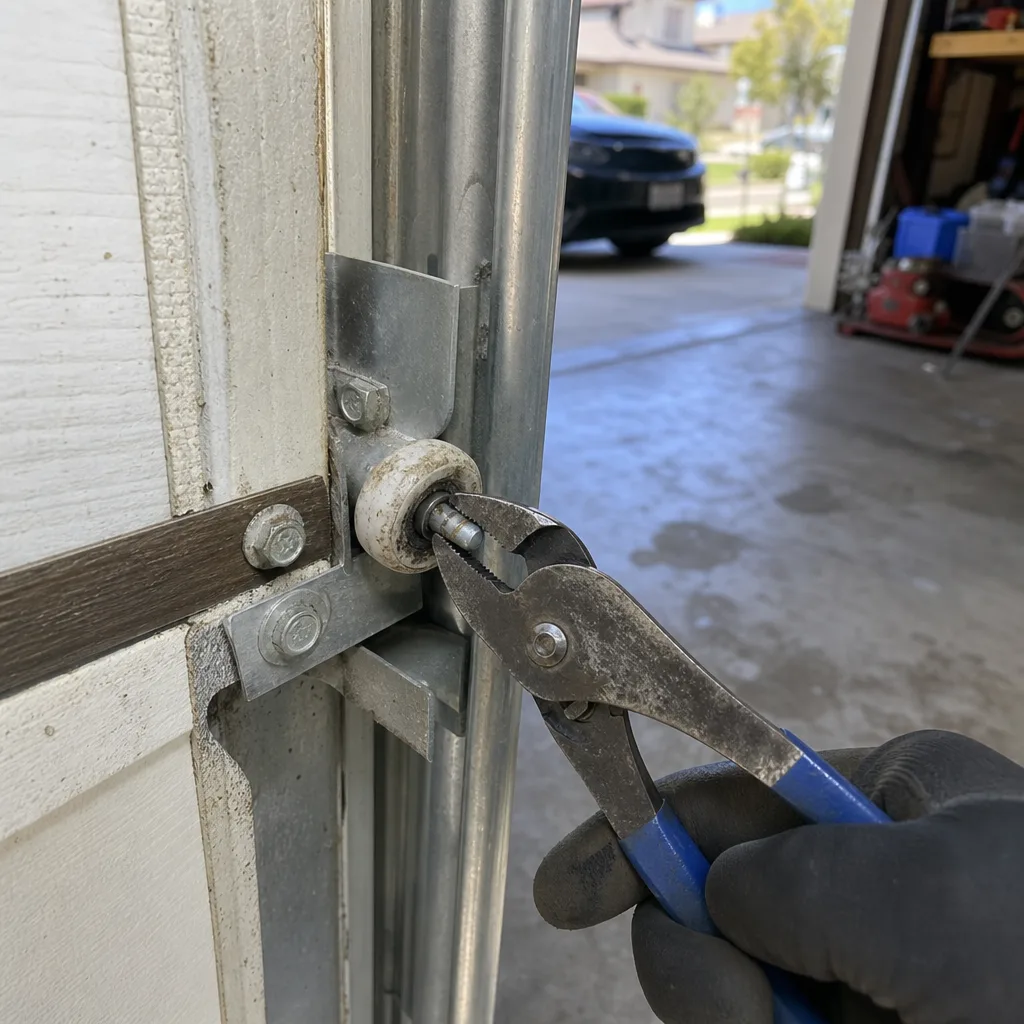
- When a Garage Door Permit Is Required in California
- What Huntington Beach Adds to the California Building Code
- Who Pulls the Permit and Why It Matters
- What a Garage Door Inspection Actually Covers
- Fire-Rated Garage Door Requirements for Attached Garages
- The Insurance and Home-Sale Cost of Unpermitted Work
- How to Retroactively Permit Garage Door Work
- What Permits Cost in Huntington Beach
BeforeAfterWhen a Garage Door Permit Is Required in California
The California Building Code (CBC) governs garage door work under Chapter 3 of the California Residential Code, which adopts the International Residential Code with state-specific amendments. The short version: a garage door is considered a building component, not a finish item, so the permit trigger depends on what the install actually changes.
Three specific conditions flip a “no permit needed” job into a permitted one:
- The rough opening is resized. If the new door is wider or taller than the old one, the surrounding wall framing gets cut. That’s structural work, and it needs a permit, full stop.
- The header or structural framing is touched. Even if the door size stays the same, any modification to the load-bearing header above the opening, the king studs, or the jack studs is structural alteration. A permit and an inspection are required.
- A new motorized opener is installed. This is the one most homeowners miss. Huntington Beach treats garage door openers as mechanical systems subject to review. If you’re adding an opener to a door that never had one, or replacing an opener as part of a larger install, the city wants it on the permit.
A straight swap – same size door, same opening, opener already in place and staying there – usually stays permit-free. In our experience across Huntington Beach, the jobs that get homeowners into trouble are the ones where someone said “we’ll just widen it a few inches” without realizing that sentence is where the permit obligation starts.
If you’re planning a garage door installation in Huntington Beach, the permit question should be answered in writing before the first panel comes off the truck. Clause 1 of The Haven Standard requires a written scope before any work starts, and that scope should state whether a permit is being pulled and who’s pulling it.
What Huntington Beach Adds to the California Building Code
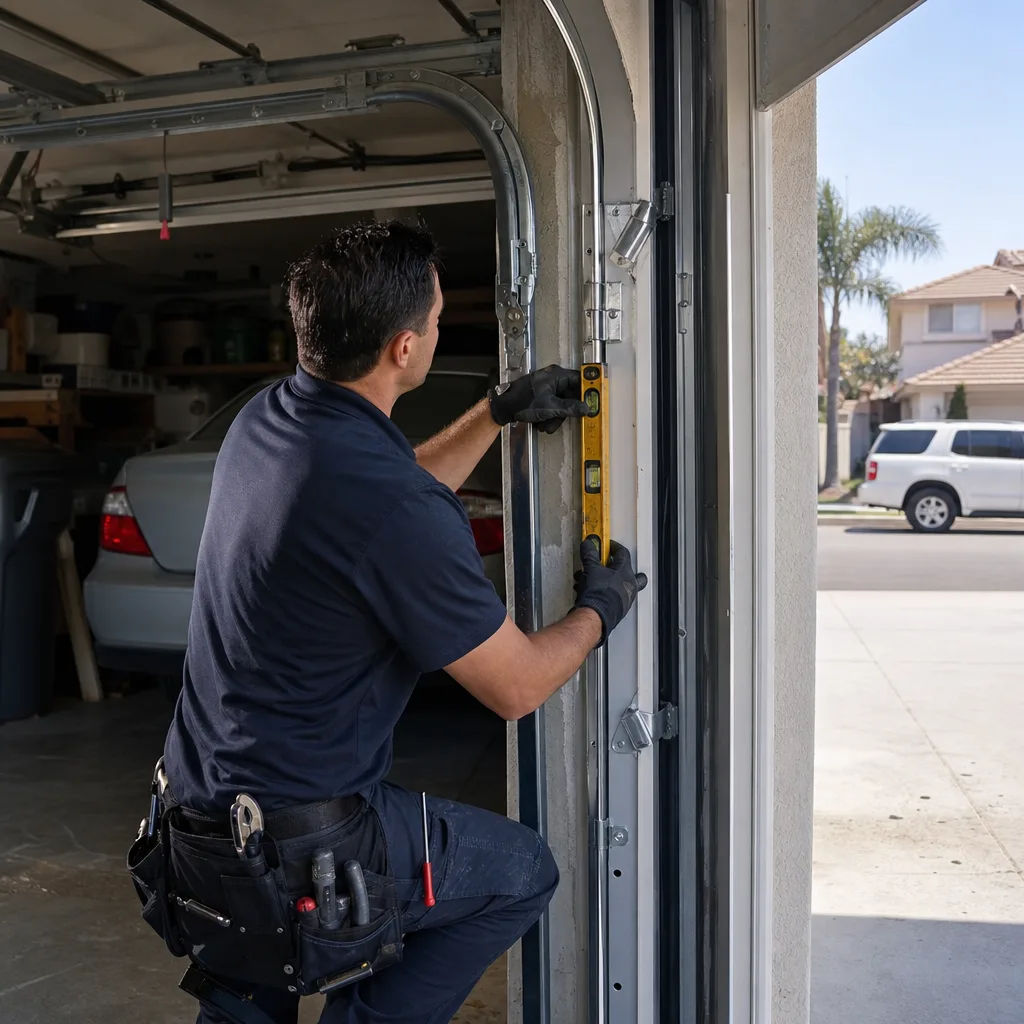
Huntington Beach adopts the CBC with local amendments through the Huntington Beach Municipal Code, Title 17. The city is part of the Orange County building department network, which means Huntington Beach issues its own permits through the city’s Community Development Department rather than routing through the county.
Three local details matter for garage door work:
- Opener classification. Huntington Beach’s mechanical review treats garage door openers as installing a mechanical system, requiring a mechanical permit. Some surrounding cities classify openers as appliances and skip the permit. The city line matters, and it’s why a contractor from Santa Ana or Fountain Valley might tell you a permit isn’t needed when Huntington Beach says otherwise.
- Coastal corrosion zone requirements. Huntington Beach’s proximity to salt air means exterior hardware, tracks, and springs face a corrosion load that inland inspectors don’t test for. The city references CBC Chapter 19 for coastal zone materials. Galvanized and stainless components pass; bare steel in coastal salt air becomes an inspector’s note and eventually a premature failure.
- Plan check for structural work. If your garage door project involves resizing the opening or touching the header, Huntington Beach requires a plan check before the permit is issued. This is true for most structural work in the city and adds a few days to the timeline. We flag this early because it changes the scheduling math on what looks like a simple two-day install.
For garage door repairs that don’t involve structural changes, including most garage door repair in Huntington Beach, no permit is required. A broken torsion spring, a bent track, a dead logic board – these are repair items, not construction items, and the city treats them that way.
Who Pulls the Permit and Why It Matters
California allows homeowners to pull their own permits for work on their primary residence, a provision called owner-builder. You can do this for garage door work in Huntington Beach. The question is whether you should.
When a contractor pulls the permit, the permit names them as the responsible party. The liability for code compliance sits with their license, their bond, and their insurance. If the work fails inspection, the city communicates directly with the contractor to schedule the re-inspection. If the contractor walks away, the permit is still open, and you can escalate through the Contractors State License Board.
When a homeowner pulls an owner-builder permit, the homeowner becomes the general contractor in the eyes of the state. The liability shifts. If the garage door contractor installs something that doesn’t meet code, the city holds the homeowner responsible for correcting it. Owner-builder work also carries a disclosure requirement in California: if you sell the home within one year of completing owner-builder permitted work, you must disclose that in the sale documents. Some buyers’ lenders take a closer look at owner-builder permits.
Our position at Servo Garage Doors Huntington Beach is straightforward: if the job requires a permit, we pull it. The permit goes in our name, the inspection is scheduled through us, and the final sign-off is delivered to you as part of the documented photo record we provide on every visit. That record traces back to the founding rule we’ve kept since 2015: the customer sees the evidence before anyone quotes a replacement. A permit is paper evidence that the city reviewed the work and signed it off.
What a Garage Door Inspection Actually Covers
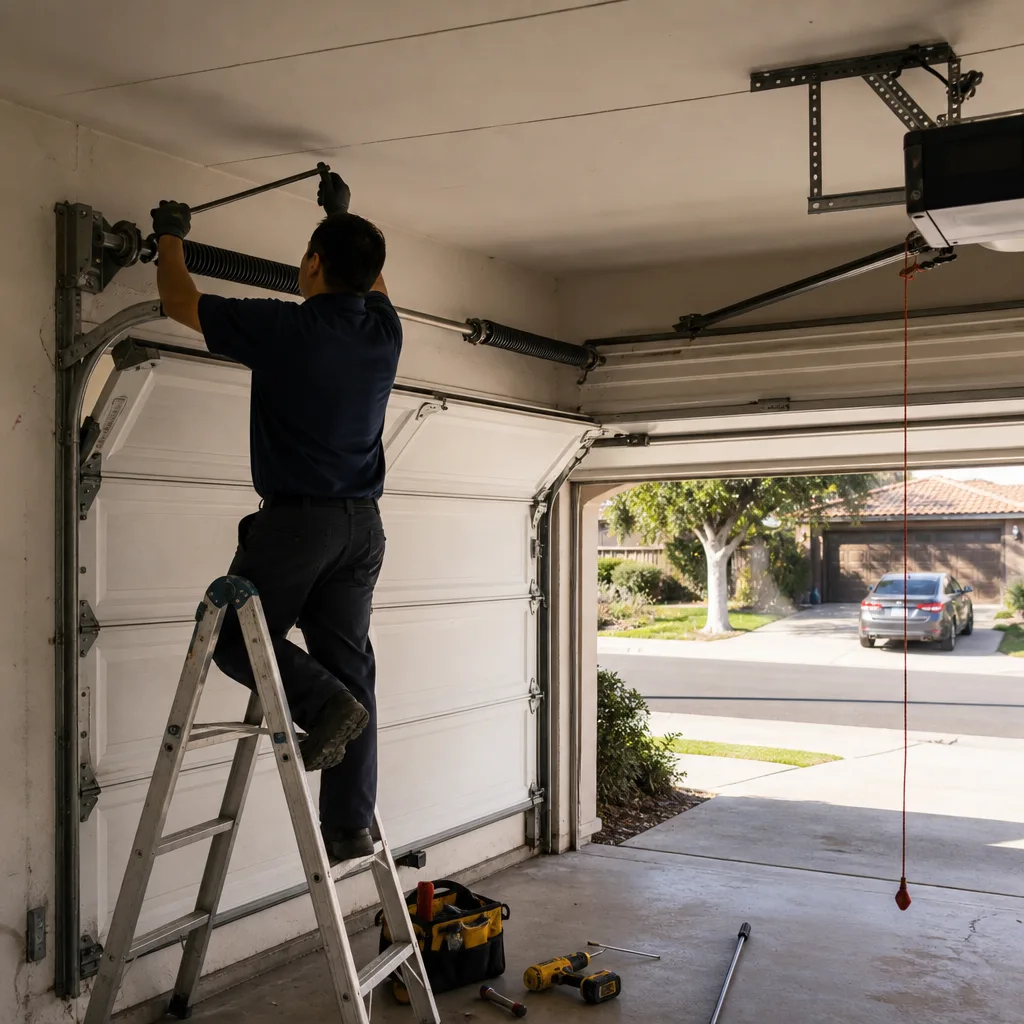
A Huntington Beach garage door inspection follows the Garage Door Repair Maintenance Checklist for Huntington Beach Homeowners. Knowing what the inspector looks at before they arrive saves you a failed inspection and the re-inspection fee.
The inspector’s checklist for garage door work typically includes:
- Header and framing. If structural work was done, the inspector verifies the header size matches the approved plans and the load path is intact. Undersized headers or missing hardware are the most common structural failures we see in Huntington Beach homes built in the 1960s and 1970s, where original framing sometimes doesn’t match what the plans assume.
- Anchorage. The door tracks and mounting hardware must be anchored per manufacturer specifications and CBC requirements. In coastal zones, the inspector checks for corrosion-resistant anchors.
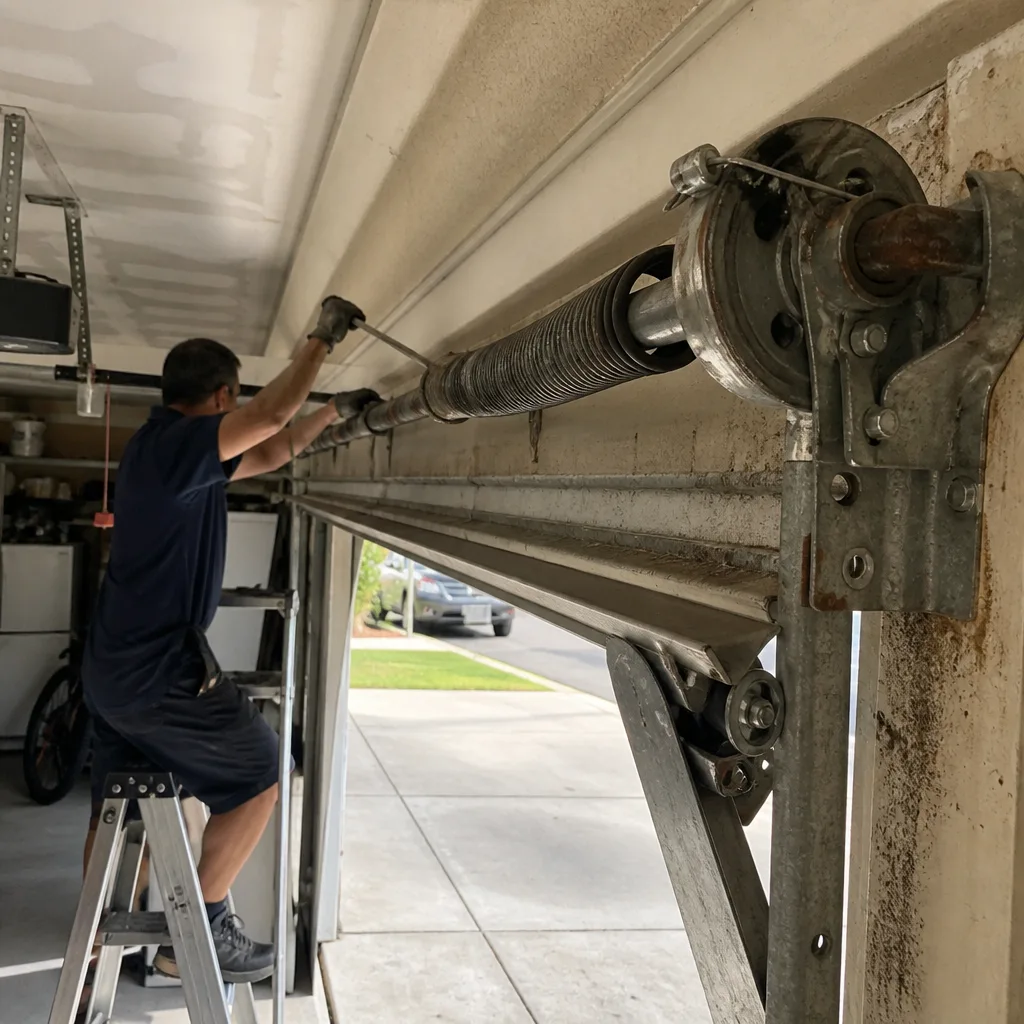
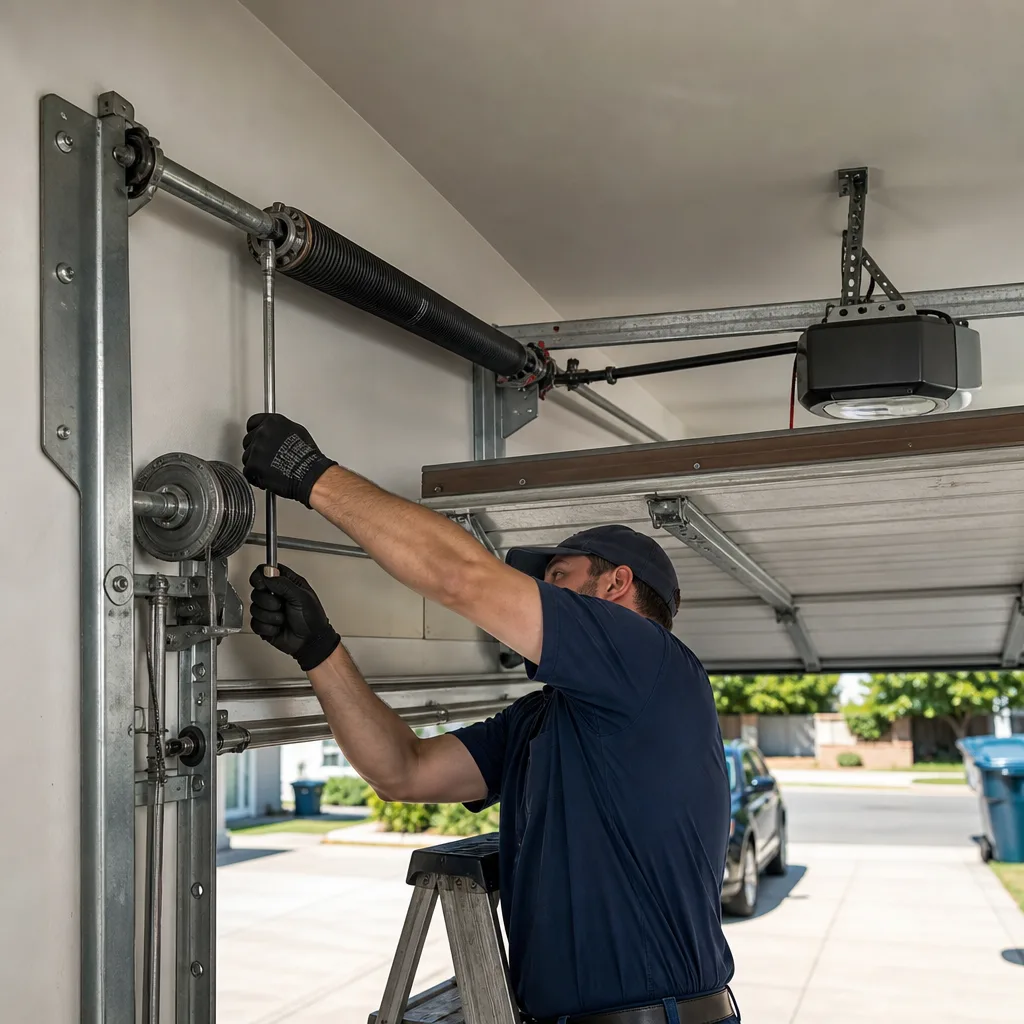
- Spring containment. Torsion springs must be installed with containment cables. Extension springs require safety cables running through the coil. Missing safety cables are an automatic fail.
- Opener safety reverse. If an opener is part of the permitted work, the inspector tests the auto-reverse mechanism, both the mechanical reverse and the photoelectric sensor reverse. The door must reverse within two seconds of contacting a 2×4 laid flat under the door.
- Photo eye placement. The photoelectric sensors must be mounted no higher than six inches above the garage floor. Higher placement fails.
- Fire rating. For attached garages, the inspector verifies the door carries the correct fire rating. For Huntington Beach homes where the garage shares a wall or ceiling with living space, this is a required check.
Huntington Beach charges a re-inspection fee when work doesn’t pass the first time. The fee is typically half the original inspection fee, and it applies every time the inspector has to come back. A common pattern: the door works fine, but the photo eyes were mounted at eight inches instead of six, the inspector flags it, and now there’s a re-inspection fee on top of a ten-minute fix.
We treat the inspection as part of the job, not as a handoff. The technician who installs the door walks the checklist before the inspector arrives, photographs the photo eye height, the containment cables, the header, and the anchor points, and includes those photos in your documented record. If the inspector still finds something, the re-inspection fee is ours, not yours – that’s part of the 365-Day Done Right Promise.
Fire-Rated Garage Door Requirements for Attached Garages
This is the requirement most Huntington Beach panel-only replacements miss, and it’s the one that comes back to bite at the home-sale inspection.
Under the California Residential Code, any garage attached to the dwelling – meaning it shares a wall or is located under living space – must be separated from the living area by a fire-rated assembly. For garage doors, that means the door itself must carry a fire rating. The minimum for most residential applications is a 20-minute fire-rated door, labeled and certified.
The code doesn’t care what the door looks like. It cares what the door is made of and how it’s labeled. A solid wood door or a steel door with a fire label passes. A foam-core insulated door without a fire label fails, even if the insulation is thick. A panel-only replacement that swaps a fire-rated door for a cheaper non-rated door creates a non-compliant condition that the city didn’t inspect because, again, a like-for-like replacement didn’t require a permit.
In Huntington Beach, where many homes from the 1950s through 1980s have attached garages, this applies to the majority of residential garage doors. Brands like Amarr and Wayne Dalton manufacture fire-rated options that meet the California requirement, and the label is typically on the inside face of the door or in the manufacturer’s documentation. If you’re replacing a door on an attached garage, the new door needs that label.
When we install on an attached garage in Huntington Beach, we verify the fire rating before the door goes up and photograph the label for the documented record. If a customer’s existing door lacks the label, we flag it in the written scope. The paper trail exists so that when a buyer’s inspector asks about the garage door five years from now, there’s a photographed answer.
The Insurance and Home-Sale Cost of Unpermitted Work
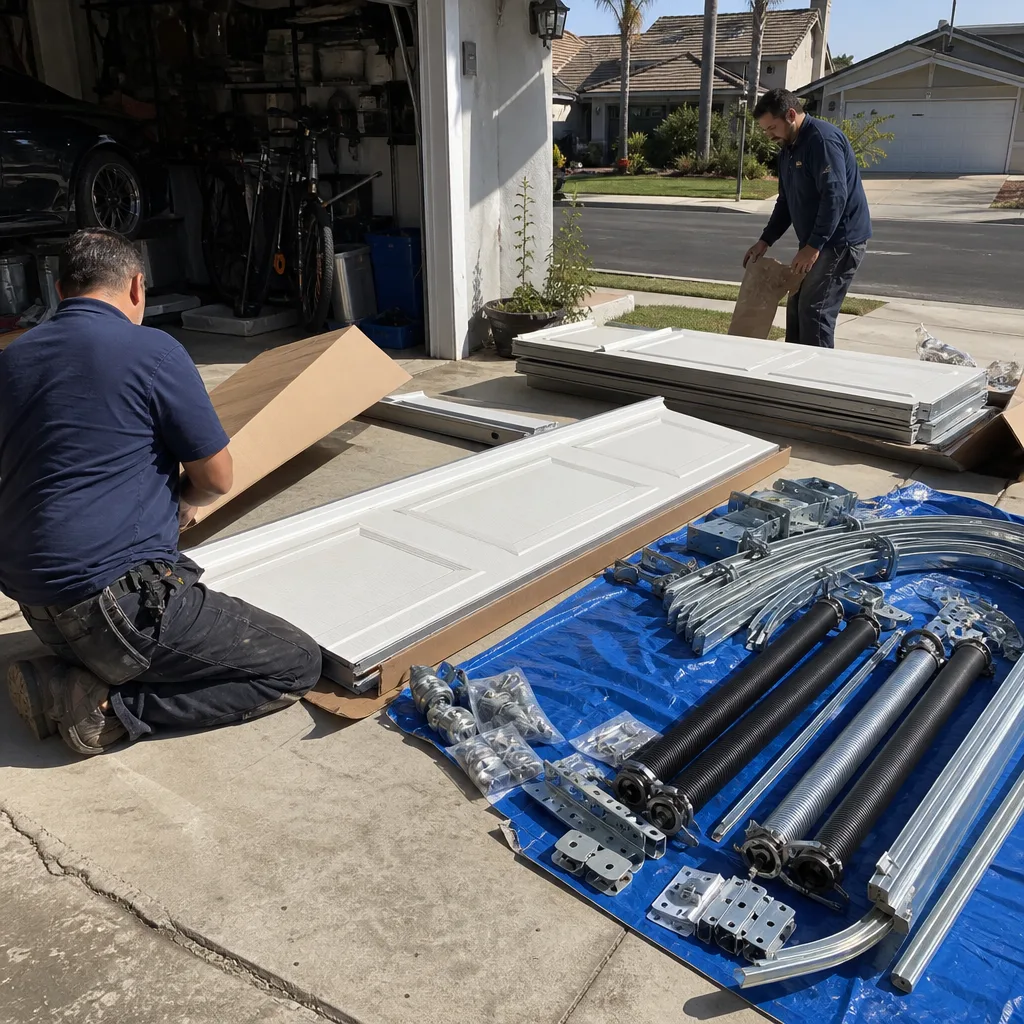
Unpermitted garage door work doesn’t disappear because nobody checked. It sits in the property’s history and surfaces at the worst possible moment.
Insurance claims. If a garage door fails and causes damage – a torsion spring breaks and the door falls on a car, or a poorly anchored track pulls away from the wall and damages the framing – the insurer will ask when the door was installed and whether a permit was pulled. In Huntington Beach, where openers are treated as mechanical systems, an unpermitted opener installation connected to an electrical issue can give the adjuster a reason to reduce or deny the claim. The insurer’s position is often that unpermitted work is unverifiable work.
Home-sale disclosures. California requires sellers to disclose known unpermitted work. The standard Seller Property Questionnaire asks directly: has any work been done without required permits? A garage door replacement with a resized opening, done without a permit, becomes a disclosure item. Buyers’ inspectors in Huntington Beach are trained to look for signs of altered openings – new framing, mismatched header sizes, fresh stucco patches around the garage door opening. When they find it, they compare it to the city’s permit history, which is public record through the Huntington Beach permit portal.
Retroactive permit costs. Bringing unpermitted work up to code after the fact is more expensive than permitting it initially. The city charges the permit fee plus a penalty that can double the cost. If the work doesn’t meet current code, you’re paying to correct it before the city will sign off. A $400 permit pulled up front becomes a $1,200 retroactive permit plus whatever corrections are needed.
We’ve seen the aftermath of these situations enough times in Huntington Beach that the written scope always includes the permit status. If a permit isn’t needed, the scope says so. If a permit is needed, the scope names who pulls it and when. The documentation exists so that nobody is guessing three years later.
How to Retroactively Permit Garage Door Work
If you’re reading this because you already have unpermitted garage door work and you’re trying to fix it before listing a home or renewing an insurance policy, the process is called retroactive permitting or “permit after the fact.”
Huntington Beach allows retroactive permits through the same Community Development Department. Here’s the sequence:
- Pull the permit history. Start with the Huntington Beach permit portal and pull the existing permit record for the property. You’re looking for what was permitted and when, so you can identify the gap.
- Document the existing condition. Photograph the garage door, the opener, the track system, the spring assembly, and the header from multiple angles. Include a tape measure in the photos showing the opening dimensions.
- File for the retroactive permit. The application is the same as a new permit, but you’ll note it’s for existing work. Huntington Beach may require an inspection of the existing condition before issuing the permit.
- Correct deficiencies. If the work doesn’t meet current code – missing containment cables, non-rated door on an attached garage, opener without proper photoelectric sensors – those get corrected before the city will sign off.
- Pass inspection and receive final sign-off. The final inspection closes the permit, and the sign-off becomes part of the property’s permit history.
The cost for a retroactive permit in Huntington Beach runs about double the original permit fee due to the penalty multiplier. The bigger variable is correction cost: if the unpermitted work installed a non-fire-rated door on an attached garage, replacing it with a code-compliant door is the expensive part.
If you’re dealing with retroactive permitting and you want a second set of eyes on the existing door before you file, Servo Garage Doors Huntington Beach offers a garage door opener and installation evaluation that documents what’s currently in place and what needs to change to pass inspection. We bring the tape measure and the camera, and you get the written record before anything gets corrected.
What Permits Cost in Huntington Beach
Huntington Beach permit fees for garage door work fall into a few categories. These are 2025 figures and change year to year, so check the city’s current fee schedule before budgeting:
- Mechanical permit for opener installation: $120 to $220, depending on the scope and whether it’s part of a larger project.
- Building permit for structural alteration (header, opening resize): $250 to $600, plus plan check fees if structural drawings are required.
- Re-inspection fee: $75 to $150 per visit, if the work doesn’t pass the first time.
- Retroactive permit: Permit fee plus a penalty multiplier, typically landing between $400 and $1,100 total before any corrections.
These numbers are ballpark figures based on Huntington Beach’s published fee schedule and common garage door project scopes. The city’s Community Development Department is the final authority on what your specific project costs. The takeaway: a permit is a few hundred dollars on the front end and a multiple of that if you skip it and have to retroactively permit later.
Common Mistakes to Avoid
- Widening the opening without a permit. This is the most common unpermitted garage door job in Huntington Beach. The contractor says the permit “isn’t necessary for a few inches,” and now there’s unpermitted structural work on the property’s history. If the header is touched, the permit is required, no exceptions.
- Swapping a fire-rated door for a non-rated panel on an attached garage. Panel replacement that drops the fire rating creates a code violation that no one notices until the home sale. Verify the fire label before the old door leaves the property.
- Assuming the opener is a plug-in appliance. In Huntington Beach, openers are reviewed as mechanical systems. A new opener without a mechanical permit is unpermitted work under the city’s classification.
- Pulling an owner-builder permit to “help the contractor out.” Owner-builder shifts liability to you and adds a disclosure requirement if you sell within a year. The contractor who suggests this is asking you to carry their liability.
- Skipping the safety cables on extension springs. Missing safety cables are an automatic inspection fail and a genuine safety hazard. If a spring fails without containment, the recoil can injure anyone standing nearby.
- Not documenting the permit status in writing. A verbal “don’t worry about the permit” dissolves into a disagreement when the buyer’s inspector asks questions. The permit status belongs in the written scope, stated plainly.
- Letting photo eyes ride above six inches. It’s a ten-minute fix, but it fails inspection every time. We photograph the eye height before the inspector arrives because the photo is the evidence that the work was done right the first time.
When to Call a Professional
Structural changes, opener installations classified as mechanical systems, and fire-rated door replacements on attached garages – these are the jobs where the permit question puts real money on the line. If the header is involved, the liability questions are not theoretical: an improperly supported header can crack the wall above the garage door opening, and retroactive correction means unbolting everything that was just installed. If you’re in Huntington Beach and want the permit status in writing before any work starts, Servo Garage Doors Huntington Beach offers free estimates with a written scope that names the permit requirement, the door spec, and the fixed price. Browse more guides & resources on our blog. Call (657) 256-6126 and you’ll speak to a live person, not a recording.
Frequently Asked Questions
A like-for-like garage door replacement on an unchanged opening with no new opener installation typically requires no permit in Huntington Beach. The permit becomes mandatory if the opening is resized, the header or structural framing is altered, or a new motorized opener is installed. Call (657) 256-6126 and we’ll tell you over the phone which category your job falls into, free.
Mechanical permits for opener work run $120 to $220, structural permits for header or opening changes run $250 to $600, and retroactive permits cost more due to penalties. The exact fee depends on your project scope and the city’s current fee schedule. We include the permit fee as a line item in every written scope, so you see the number before work starts.
Unpermitted work must be disclosed on the California Seller Property Questionnaire, and a buyer’s inspector who spots an altered opening or non-fire-rated door can kill the sale or force a price concession. The buyer can also request you retroactively permit the work before closing. Pulling the permit up front is cheaper than negotiating a repair credit.
Yes. Huntington Beach treats garage door openers as mechanical systems, not plug-in appliances, so a new opener installation requires a mechanical permit. Replacing an existing opener like-for-like may not require one, but adding an opener where none existed does.
For attached garages, the door must carry a minimum 20-minute fire rating with a visible label. This applies to most Huntington Beach homes where the garage shares a wall or ceiling with living space. Foam-core insulated doors without the fire label don’t pass code, regardless of how well insulated they are.
If the contractor is named on the permit, the liability for code compliance sits with their license and bond. If the homeowner pulls an owner-builder permit or no permit is pulled at all, the homeowner carries the liability and the correction cost. The license number and permit status belong in the written scope before any work starts.
The Bottom Line
Garage door permit rules in California come down to three trigger points: resizing the opening, touching the header or structural framing, or installing a new motorized opener in a jurisdiction like Huntington Beach that reviews openers as mechanical systems. Skip the permit on any of those three, and the work becomes a disclosure item on the sale, a potential insurance claim denial, and a retroactive permit with a penalty multiplier. The fire-rated door requirement for attached garages is the second layer most panel replacements miss. Pull the permit when the work requires it, keep the sign-off in your records, and the paperwork never becomes a negotiating point against you.
Written by Marcus Deller, Owner at Servo Garage Doors Huntington Beach, serving Huntington Beach since 2015.